Volglaswanden: A Complete Guide to Modern Glass Walls, Benefits, Designs, and Applications
Modern architecture continues to evolve as people look for ways to create brighter, more attractive, and functional living and working environments. One design feature that has become increasingly popular is volglaswanden. These glass wall systems offer an elegant way to divide spaces while maintaining an open atmosphere. They combine contemporary appearance with practical functionality, making them suitable for homes, offices, commercial buildings, and other modern environments.
Whether someone is renovating an existing property, designing a new office, or looking for creative interior solutions, understanding volglaswanden can help them make better design decisions. Glass walls are no longer limited to luxury buildings or corporate headquarters. They are becoming an accessible architectural choice for people who appreciate natural light, flexibility, and clean interior design.
In this guide, we explore what volglaswanden are, how they work, their main advantages, available designs, installation considerations, and why they are becoming an important part of contemporary architecture.
What Are Volglaswanden?
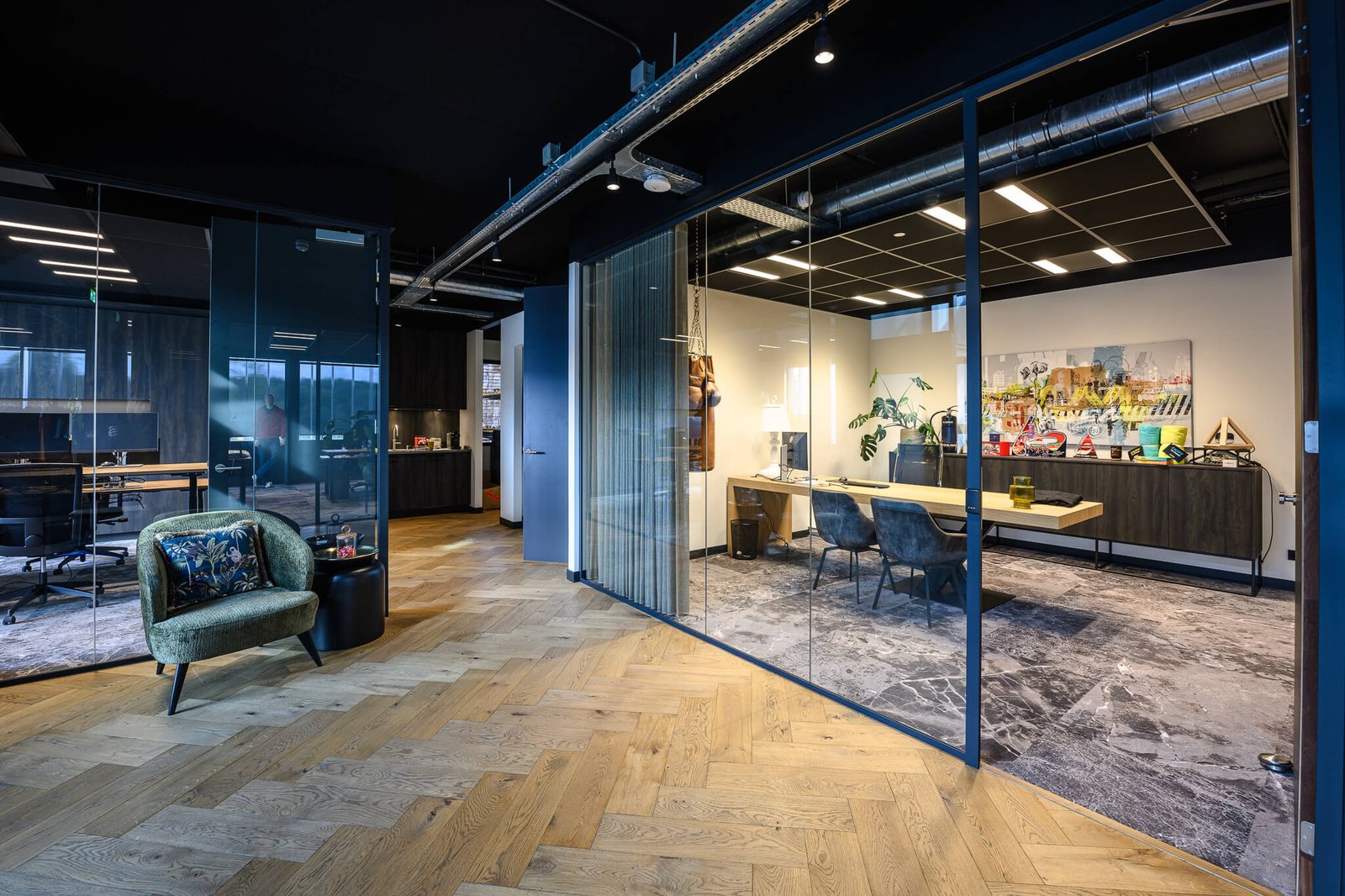
The term volglaswanden refers to full-glass wall systems that use large glass panels to create room divisions or architectural boundaries. Unlike conventional walls made from bricks, concrete, or plasterboard, these systems rely primarily on glass to separate different areas.
The defining characteristic of volglaswanden is their transparent or partially transparent construction. They allow light to travel between spaces while providing a physical division. This creates a balance between privacy and openness that traditional walls cannot easily achieve.
Depending on the intended application, volglaswanden can include several types of glass, supporting frames, connecting profiles, and specialized fittings. Some systems use almost invisible frames to create a seamless appearance, while others incorporate aluminum or steel structures for additional visual character and support.
These glass walls can be fixed permanently or designed with movable sections. Sliding panels, hinged doors, and modular glass partitions provide additional flexibility.
Why Volglaswanden Are Becoming Popular
Modern interior design increasingly focuses on openness, simplicity, and efficient use of available space. Traditional walls can make smaller rooms feel crowded and prevent natural light from reaching interior areas.
Volglaswanden offer an alternative by creating separate functional zones without completely closing them off.
For example, an office can have individual meeting rooms while maintaining visual connections with the surrounding workspace. Similarly, homeowners can separate a kitchen from a living room without making either area feel isolated.
Another reason for their popularity is their contemporary appearance. Glass naturally complements materials such as wood, concrete, stone, aluminum, and metal. This makes it relatively easy to incorporate volglaswanden into different architectural styles.
Their versatility also makes them suitable for both residential and commercial applications.
Main Benefits of Volglaswanden
There are several reasons why architects, interior designers, and property owners choose full-glass wall systems.
1. Better Natural Light Distribution
One of the biggest advantages of volglaswanden is their ability to distribute natural light throughout a building.
Traditional walls block sunlight, particularly when they separate rooms from windows or exterior doors. Glass partitions allow sunlight to pass through, helping interior spaces feel brighter and more welcoming.
Better natural lighting can also reduce the need for artificial lighting during daylight hours. This may contribute to lower electricity consumption, depending on the building’s design and lighting requirements.
For offices, natural light can create a more comfortable working environment. In residential properties, it can make rooms feel larger and more connected.
2. A Modern and Elegant Appearance
Glass walls introduce a clean and sophisticated appearance into almost any interior.
Their smooth surfaces and minimal visual structure work particularly well in contemporary buildings. Frameless designs can create an especially seamless appearance because the glass panels become the main architectural feature.
Volglaswanden can also complement traditional interiors when combined with suitable materials and finishes.
For instance, black metal frames create an industrial appearance, while wooden details introduce warmth. Transparent glass provides a minimalist look, whereas frosted glass offers a softer and more private atmosphere.
3. Efficient Use of Available Space
Space management is important in both residential and commercial properties.
Traditional walls require construction materials and may occupy more visual space than necessary. Glass partitions provide separation without creating the same enclosed feeling.
In smaller apartments, a glass wall can divide a sleeping area from a living space while allowing daylight to reach both sections.
In offices, glass partitions can establish meeting rooms, private workstations, and collaborative spaces without making the entire floor feel divided into small compartments.
This flexibility makes volglaswanden especially useful in properties where every square meter matters.
4. Flexible Interior Design
Many glass wall systems can be customized according to the dimensions and requirements of a building.
Property owners can choose different panel sizes, frame colors, glass finishes, door configurations, and opening mechanisms.
Some systems include sliding panels that allow spaces to be opened or closed when necessary. Others use fixed glass sections for permanent room separation.
This flexibility makes it easier to adapt interiors as household needs or business operations change.
5. Easy Maintenance
Glass surfaces are generally straightforward to clean and maintain.
Unlike painted walls, which may require occasional repainting, glass panels can usually be maintained with suitable glass-cleaning products and a soft cloth.
However, maintenance requirements depend on the glass finish, frame material, and installation quality.
Regular cleaning helps preserve transparency and prevents fingerprints, dust, and water marks from affecting the appearance.
Different Types of Volglaswanden
Not every glass wall system has the same design or functionality. Understanding the available options can help property owners choose a solution that matches their requirements.
Frameless Glass Walls
Frameless glass walls are popular in minimalist interiors because they create a clean and uninterrupted appearance.
These systems use specially designed fittings and structural connections to support the glass panels without requiring prominent frames.
They are commonly used in modern offices, luxury homes, showrooms, and commercial interiors.
Their main attraction is their visual simplicity. However, proper engineering and professional installation are essential to ensure stability and safety.
Framed Glass Walls
Framed glass walls incorporate aluminum, steel, or other suitable materials around individual panels.
The frames provide a distinctive architectural appearance and can help protect the edges of the glass.
Black-framed designs are particularly popular in industrial and contemporary interiors. They create a striking contrast while allowing natural light to move between rooms.
Framed systems are available in different colors and configurations, making customization relatively straightforward.
Sliding Glass Walls
Sliding glass walls provide flexibility by allowing users to open or close a space without requiring a traditional swinging door.
They are especially useful in apartments, conference rooms, restaurants, and large living areas.
For example, a homeowner can keep a kitchen visually connected to the dining room while closing the glass panels when additional separation is required.
The quality of the sliding mechanism is important because it affects ease of operation, durability, and long-term performance.
Frosted Glass Walls
Frosted glass walls provide visual privacy while still allowing light to pass through.
They are often used in bathrooms, healthcare facilities, consultation rooms, and office meeting spaces.
Frosted finishes can cover the entire panel or appear in selected sections. Decorative patterns and customized designs can also be incorporated.
This makes frosted volglaswanden an attractive option for environments where complete transparency is not appropriate.
Double-Glazed Glass Walls
Double-glazed glass walls consist of two glass layers separated by a cavity or specialized insulating construction.
Depending on the system, they can provide improved acoustic and thermal performance compared with basic single-glazed partitions.
They are particularly useful in offices, conference rooms, and buildings where temperature control or sound reduction is important.
However, performance depends on the complete system, including glass specifications, seals, frames, and installation quality.
Residential Applications of Volglaswanden
Volglaswanden are becoming increasingly relevant in residential architecture because homeowners want interiors that feel spacious and practical.
One common application is separating the kitchen from the living room. An open-plan layout creates a welcoming environment, but some homeowners prefer to limit cooking smells and noise. A glass partition can provide separation without completely disconnecting the two areas.
Bedrooms are another suitable application. A glass wall can separate a sleeping area from a dressing room or private workspace while preserving visual continuity.
Bathrooms can also benefit from specialized glass partitions. Frosted or textured glass can create privacy while maintaining a modern appearance.
Home offices are another growing application. People working remotely may want a dedicated workspace without constructing a permanent solid wall. A glass partition can establish a professional environment while allowing the home to retain an open design.
When choosing volglaswanden for residential use, safety, privacy, cleaning requirements, and household needs should all be considered.
Commercial and Office Applications
Commercial buildings are among the most common environments for glass wall systems.
Businesses often need separate rooms for meetings, management, private conversations, and collaborative work. Traditional partitions can make offices feel closed and disconnected.
Volglaswanden provide an effective alternative by establishing functional boundaries while maintaining visual openness.
Meeting rooms are particularly suitable for glass partitions. Employees can see whether a room is occupied without entering it. Frosted sections or privacy films can be added when confidential discussions take place.
Reception areas can also benefit from glass walls. They create a professional impression and help organize customer-facing spaces.
In restaurants and hotels, glass partitions can separate dining sections, private lounges, and reception areas while maintaining an attractive atmosphere.
Retail stores can use glass walls to organize product displays and create visually interesting customer experiences.
Choosing the Right Glass for Volglaswanden
Glass selection is one of the most important parts of designing a safe and effective glass wall system.
Different types of glass offer different characteristics.
Tempered glass: This glass undergoes a heat-treatment process that increases its strength compared with ordinary annealed glass. When broken, it generally breaks into smaller fragments rather than large sharp pieces.
Laminated glass: Laminated glass contains multiple layers connected by an interlayer. If the glass breaks, the interlayer helps hold the fragments together.
Frosted glass: This option provides privacy by reducing clear visibility through the panel.
Acoustic glass: Specially designed acoustic glazing can help reduce sound transmission when incorporated into an appropriately engineered system.
The right choice depends on the intended application, building regulations, safety requirements, and desired performance.
Professional advice is recommended before selecting glass for large panels, doors, bathrooms, or other areas where safety is particularly important.
Factors to Consider Before Installing Volglaswanden
Although glass wall systems offer many advantages, careful planning is necessary before installation.
Building Measurements
Accurate measurements are essential because glass panels are usually manufactured according to specific dimensions.
Incorrect measurements can create installation difficulties, unnecessary expenses, and poor visual results.
Professional installers should examine the floor, ceiling, and surrounding structures before manufacturing begins.
Safety Requirements
Safety should always be a priority.
The appropriate glass type, thickness, edge treatment, and supporting structure depend on panel dimensions and intended use.
Glass doors and large glazed areas may also require visible markings to help people recognize transparent surfaces.
Property owners should make sure the selected system complies with applicable building and safety regulations.
Privacy Needs
Transparent glass is not suitable for every room.
For private offices, bathrooms, and consultation spaces, frosted glass, decorative films, or switchable privacy glazing may provide a better solution.
It is important to determine how much visibility is appropriate before choosing a design.
Sound Insulation
Glass partitions do not automatically provide complete soundproofing.
Acoustic performance depends on the glass construction, perimeter seals, door design, frame connections, and gaps between the panels and surrounding structures.
If privacy during conversations is important, a specialist should evaluate the acoustic requirements before installation.
Budget and Long-Term Value
The cost of volglaswanden depends on several factors, including glass type, dimensions, framing, hardware, customization, transportation, and installation.
Frameless systems and specialized acoustic or insulating glass may require a larger investment.
Rather than comparing prices alone, buyers should consider durability, safety, maintenance, and expected performance.
How to Maintain Volglaswanden
Proper maintenance helps preserve the appearance and functionality of glass walls.
Regular cleaning is usually sufficient for ordinary interior glass partitions.
Use a suitable glass cleaner and a soft microfiber cloth to remove fingerprints, dust, and everyday marks. Avoid abrasive materials that could scratch the surface or damage specialized coatings.
Frames and metal fittings should also be inspected periodically. Sliding tracks may require cleaning to remove accumulated dirt that could affect movement.
Door handles, hinges, seals, and connecting hardware should be checked for signs of wear.
If a glass panel develops a crack, chip, or other visible damage, professional assessment is important. Damaged safety glass should not be treated as an ordinary cosmetic issue.
Volglaswanden and Sustainable Architecture
Sustainability is becoming an important consideration in modern construction.
Volglaswanden can support certain sustainable design goals by allowing natural light to reach interior spaces that might otherwise remain dark.
This can reduce dependence on artificial lighting during daylight hours, although the actual energy savings depend on building orientation, glazing specifications, lighting controls, and other factors.
Glass is also a recyclable material, and some manufacturers offer products containing recycled content.
However, sustainability should be evaluated across the complete life cycle of the product. Manufacturing energy, transportation, durability, replacement requirements, and end-of-life recycling all matter.
Selecting durable products and working with experienced installers can help improve the long-term value of a glass wall installation.
Common Mistakes to Avoid
People planning to install volglaswanden sometimes focus too heavily on appearance while overlooking practical requirements.
One common mistake is selecting ordinary glass for applications that require safety glazing. Glass specification should always reflect the intended location and relevant regulations.
Another mistake is ignoring privacy. Completely transparent walls may look attractive in photographs but may not provide the separation required for everyday activities.
Poor installation planning is another concern. Uneven floors, unsuitable supporting structures, and incorrectly positioned fittings can affect the final result.
Some property owners also underestimate acoustic requirements. A glass partition may create a separate room without providing the level of sound privacy expected.
Finally, choosing a system based only on its initial price can lead to higher long-term costs if the materials or installation are unsuitable.
Careful research and professional guidance can prevent many of these problems.
The Future of Volglaswanden in Modern Design
Architectural technology continues to create new possibilities for glass wall systems.
Smart glass is one interesting development. Certain technologies allow glass to change between transparent and opaque states through an electrical control system. This provides privacy when needed without requiring traditional curtains or permanent frosted finishes.
Improved acoustic glazing is another area of development. These solutions are particularly relevant for offices, hotels, and buildings located in busy environments.
Designers are also experimenting with decorative glass, integrated lighting, slim structural profiles, and customized panel arrangements.
As flexible workplaces and multifunctional homes become more common, demand for adaptable interior solutions is likely to remain strong.
Volglaswanden fit naturally into this direction because they combine physical separation with visual openness.
Conclusion
Volglaswanden represent a practical and attractive approach to modern interior design. By using glass instead of conventional solid walls, property owners can create separate functional areas while maintaining natural light and a sense of openness.
Their applications range from residential kitchens and bedrooms to corporate offices, meeting rooms, hotels, and commercial spaces. Different options, including frameless, framed, sliding, frosted, and double-glazed systems, make it possible to find a solution for different architectural requirements.
However, successful installation requires more than choosing an attractive design. Glass specifications, safety regulations, privacy, acoustic performance, accurate measurements, and professional installation all deserve careful attention.
Ultimately, volglaswanden offer a combination of elegance, flexibility, and functionality that makes them an appealing choice for contemporary buildings. As architectural preferences continue to evolve, these glass wall systems will remain an important option for creating brighter, more connected, and more adaptable environments.

Related Posts

MyOLSD: A Complete Guide to the Online Student Portal, Its Features, Benefits, and How to Use It

Sosoactive.com: Exploring the Website, Its Content, Features, and Online Presence