Teresa Halbach: The Life, Disappearance, and Legacy of a Woman at the Center of a Notorious Case
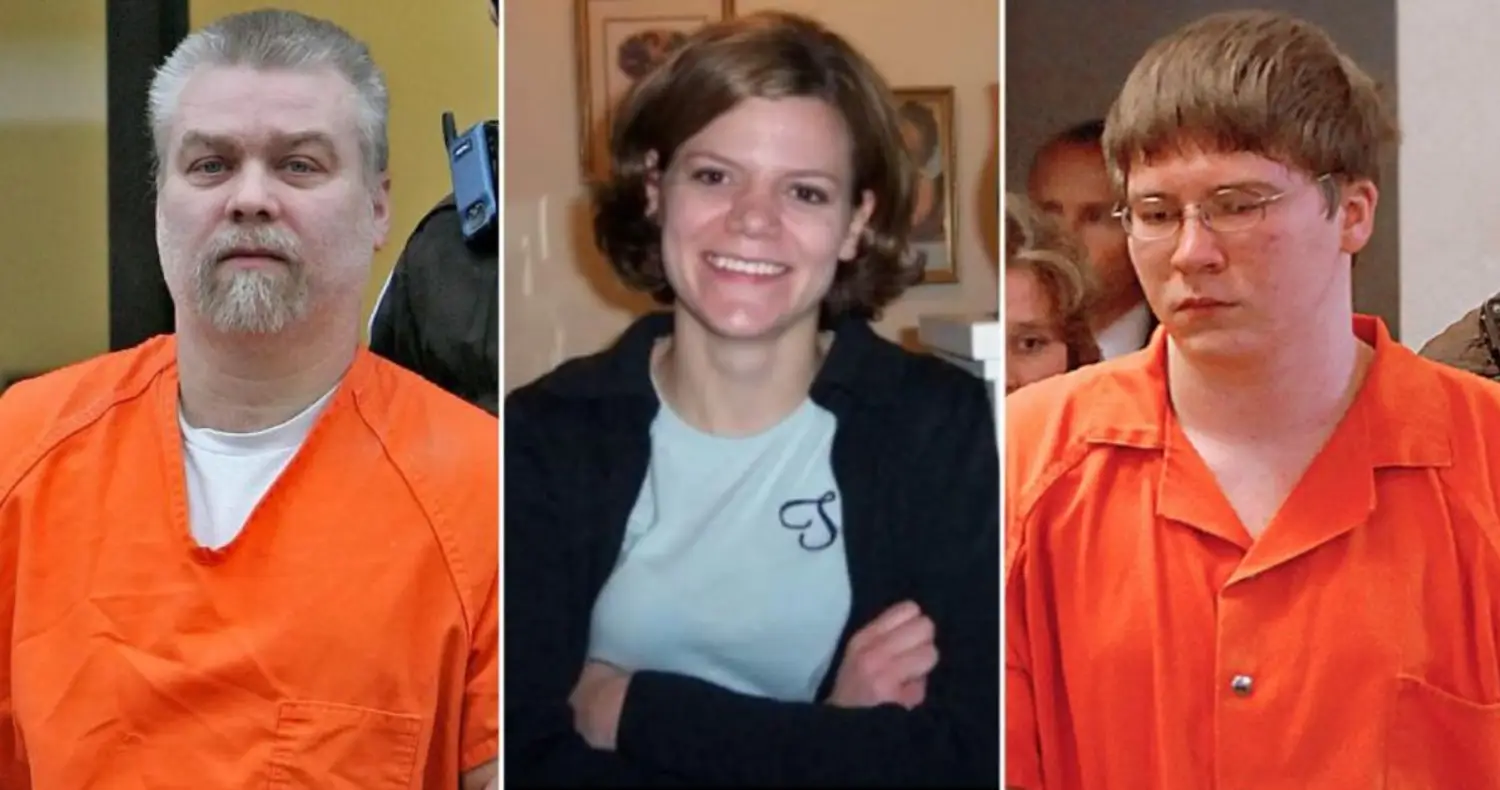
What happens when an ordinary working day suddenly becomes the beginning of one of the most debated criminal cases in modern American history? For Teresa Halbach, a 25-year-old photographer from Wisconsin, October 31, 2005, began like any other professional assignment. By the end of that day, however, she had disappeared. Her case would later become internationally known through the documentary series Making a Murderer and spark years of discussion about evidence, criminal justice, wrongful convictions, and the limits of true-crime storytelling.
Although much of the public conversation has focused on Steven Avery and the legal battles surrounding his conviction, Teresa Halbach was more than the victim at the center of a famous case. She was a daughter, sister, friend, photographer, coach, and young woman with ambitions of her own. Understanding her life helps put the story into a more human perspective.
Who Was Teresa Halbach?
Teresa Halbach was born and raised in Wisconsin and became known professionally as a photographer. She built a career photographing vehicles for Auto Trader, a job that required her to travel to different locations and photograph cars for sale.
According to court records, Halbach was 25 years old when she disappeared in October 2005. She had graduated from the University of Wisconsin-Green Bay and was described by people who knew her as energetic, friendly, and enthusiastic about life. Her interests extended beyond photography. She also enjoyed traveling and had been involved in volleyball.
These details matter because true-crime stories can sometimes reduce victims to a name connected to a criminal investigation. In Halbach’s case, however, people who knew her remembered her for her personality and the positive impression she made on others.
Teresa Halbach’s Career as a Photographer
Photography was an important part of Halbach’s professional life. Her work with Auto Trader involved photographing vehicles and preparing images that could be used in advertisements.
Her job also meant that she regularly met strangers at different locations. On October 31, 2005, one of those assignments took her to Avery’s Auto Salvage in Manitowoc County, Wisconsin.
Court records state that Steven Avery had arranged for Halbach to photograph a vehicle at the property. That appointment would ultimately become the final known professional assignment of her life.
At the time, there was nothing about the assignment that would have suggested the tragedy that was about to unfold.
The Disappearance on October 31, 2005
Teresa Halbach visited the Avery property on Halloween in 2005. She had been scheduled to photograph a vehicle for an advertisement.
Her disappearance quickly became concerning because she did not return as expected. She was reported missing on November 3, several days after the appointment.
The investigation soon focused heavily on the Avery property. Volunteers and investigators searched the surrounding area while authorities attempted to reconstruct Halbach’s movements.
One of the most significant discoveries was her Toyota RAV4. The vehicle was located on the Avery salvage-yard property, partially concealed by branches. Its discovery dramatically changed the direction of the investigation.
The Search for Teresa Halbach
The search for Halbach involved law enforcement officers, volunteers, family members, and others trying to determine what had happened.
Investigators searched the Avery property and surrounding locations. As the investigation progressed, they recovered evidence that prosecutors would later argue connected Steven Avery to Halbach’s death.
Human remains were eventually discovered in and around a burn area on the Avery property. Those remains were identified as belonging to Halbach.
The discovery transformed a missing-person investigation into a homicide investigation. The case attracted intense attention in Wisconsin and eventually became one of the most discussed criminal cases in the United States.
Evidence in the Case
The prosecution’s case against Steven Avery involved multiple pieces of physical and forensic evidence.
Among the evidence discussed at trial was blood found inside Halbach’s RAV4. Investigators also found her vehicle on the Avery property and recovered other evidence that prosecutors said linked Avery to her death.
The remains discovered near a burn pit were another central part of the case. Prosecutors argued that the evidence demonstrated that Halbach had been killed and that Avery had attempted to destroy evidence of the crime.
The Wisconsin Court of Appeals later summarized the case by noting that Avery was convicted of first-degree intentional homicide as a party to the crime. His conviction was affirmed on appeal in 2011.
Steven Avery and the Teresa Halbach Case
Steven Avery became the primary suspect in the investigation. His history also attracted considerable attention because he had previously spent years in prison after being wrongfully convicted of a separate crime. He had been exonerated before Halbach’s disappearance.
That background became extremely important when the murder investigation began. Avery had been pursuing legal action related to his earlier wrongful conviction, which led to widespread questions about the investigation into Halbach’s disappearance.
Avery maintained that he did not kill Halbach and has continued to challenge his conviction.
Nevertheless, prosecutors presented evidence that they argued established his involvement. In 2007, a jury convicted Avery of Halbach’s murder. He was sentenced to life in prison without the possibility of parole for the homicide, along with an additional sentence for firearm possession.
Brendan Dassey and the Wider Investigation
The case also involved Avery’s nephew, Brendan Dassey. Dassey was accused of participating in Halbach’s murder and was convicted in 2007.
His case became especially controversial because of the statements he gave investigators. Dassey later recanted his confession, leading to a major legal battle over whether his statements had been obtained lawfully.
At one stage, a federal court decision found issues with the confession and ordered further proceedings. However, later appellate decisions reinstated the conviction, and the U.S. Supreme Court ultimately declined to hear his case.
The legal history surrounding Dassey added another complicated dimension to a case that was already attracting national attention.
The Impact of Making a Murderer
For years, the Teresa Halbach case remained significant in Wisconsin. Then, in 2015, Netflix released Making a Murderer.
The documentary series brought the case to an international audience. Millions of viewers became interested in Avery’s previous wrongful conviction, Halbach’s disappearance, the investigation, the evidence, and the subsequent trials.
The series also encouraged viewers to question whether Avery and Dassey had received fair treatment from investigators and prosecutors.
However, the documentary became controversial for another reason. Critics argued that focusing heavily on the defendants could overshadow Halbach herself.
That criticism highlights an important issue in true crime: the victim can easily disappear from the story while the accused becomes the central character.
Teresa Halbach Beyond the Headlines
Teresa Halbach’s life deserves attention separate from the circumstances of her death.
Friends and former classmates remembered her as someone who enjoyed life and valued relationships. She had completed her education, developed a professional career, and had plans for the future.
She was also part of a family. Her death created a permanent loss that could not be measured through courtroom arguments or television documentaries.
This is one reason discussions about Halbach should go beyond the question of who was responsible. Her story was not simply a legal mystery. It was the story of a young woman whose life ended far too early.
Why the Case Remains Controversial
The Teresa Halbach case continues to generate debate because several different issues became intertwined.
First, Avery’s earlier wrongful conviction created public concern about the possibility of investigative mistakes. Second, the physical evidence in Halbach’s case became the subject of intense scrutiny. Third, Brendan Dassey’s confession raised questions about interrogation practices.
Finally, Making a Murderer introduced millions of people to the case through a documentary narrative that encouraged viewers to examine the evidence from a particular perspective.
At the same time, Wisconsin courts have repeatedly considered Avery’s legal challenges. In a 2025 decision, the Wisconsin Court of Appeals again rejected an attempt to obtain further relief, finding that his motion did not establish a basis for an evidentiary hearing.
Therefore, while public debate continues, the legal status of Avery’s conviction is an important distinction from theories discussed online or in documentaries.
The Importance of Separating Facts From Theories
One of the biggest lessons from the Teresa Halbach case is the importance of separating established facts from speculation.
The disappearance, the discovery of Halbach’s vehicle, the recovery of human remains, the prosecution of Avery and Dassey, and their convictions are matters documented in court records.
Other claims have been proposed by defense attorneys, supporters, critics, investigators, documentary viewers, and internet communities. Some have been investigated in court while others remain theories.
For readers exploring the case today, it is important not to treat every theory as an established fact. Court findings, trial evidence, and verified records provide a stronger foundation than rumors circulating online.
Teresa Halbach’s Lasting Legacy
Teresa Halbach’s name remains associated with one of America’s most recognizable true-crime cases. Yet her legacy should not be limited to the mystery surrounding her death.
She was a young professional who worked hard to build a career. She loved photography and enjoyed experiences outside work. She had family and friends who remembered her for who she was rather than for the tragedy that later defined her public image.
Her case also became part of a larger national discussion about criminal justice. It raised questions about evidence, police investigations, confessions, wrongful convictions, media influence, and the role of documentaries in shaping public opinion.
Those conversations remain relevant far beyond Wisconsin.
Remembering Teresa Halbach
More than two decades after her disappearance, Teresa Halbach continues to be remembered by people interested in the case. Her story has appeared in documentaries, books, podcasts, television programs, and countless online discussions.
But behind all those discussions was a real person.
Teresa Halbach was not simply a photograph in a case file or the name attached to a famous investigation. She was a young woman with a career, family, friendships, interests, and hopes for the future.
That is perhaps the most important way to understand her story.
The circumstances surrounding Teresa Halbach’s death continue to attract debate, but her life should never be forgotten amid the arguments. The case became famous because of the questions surrounding it. Teresa became important because she was a person whose life was taken far too soon.
Final Thoughts on Teresa Halbach
The story of Teresa Halbach remains one of the most discussed criminal cases in modern American true crime. Her disappearance in 2005 led to an enormous investigation, criminal convictions, years of appeals, and an international documentary phenomenon.
The legal proceedings surrounding Steven Avery and Brendan Dassey continue to be examined, while Avery’s conviction has survived multiple rounds of appellate litigation.
Still, the heart of the story should remain Teresa Halbach herself.
Remembering her means looking beyond the controversy and recognizing the life she had before October 31, 2005. She was a photographer, a graduate, a daughter, a sister, a friend, and a young woman with a future ahead of her.
Her name may forever be connected with a complicated criminal case. Yet her identity should never be reduced to it.