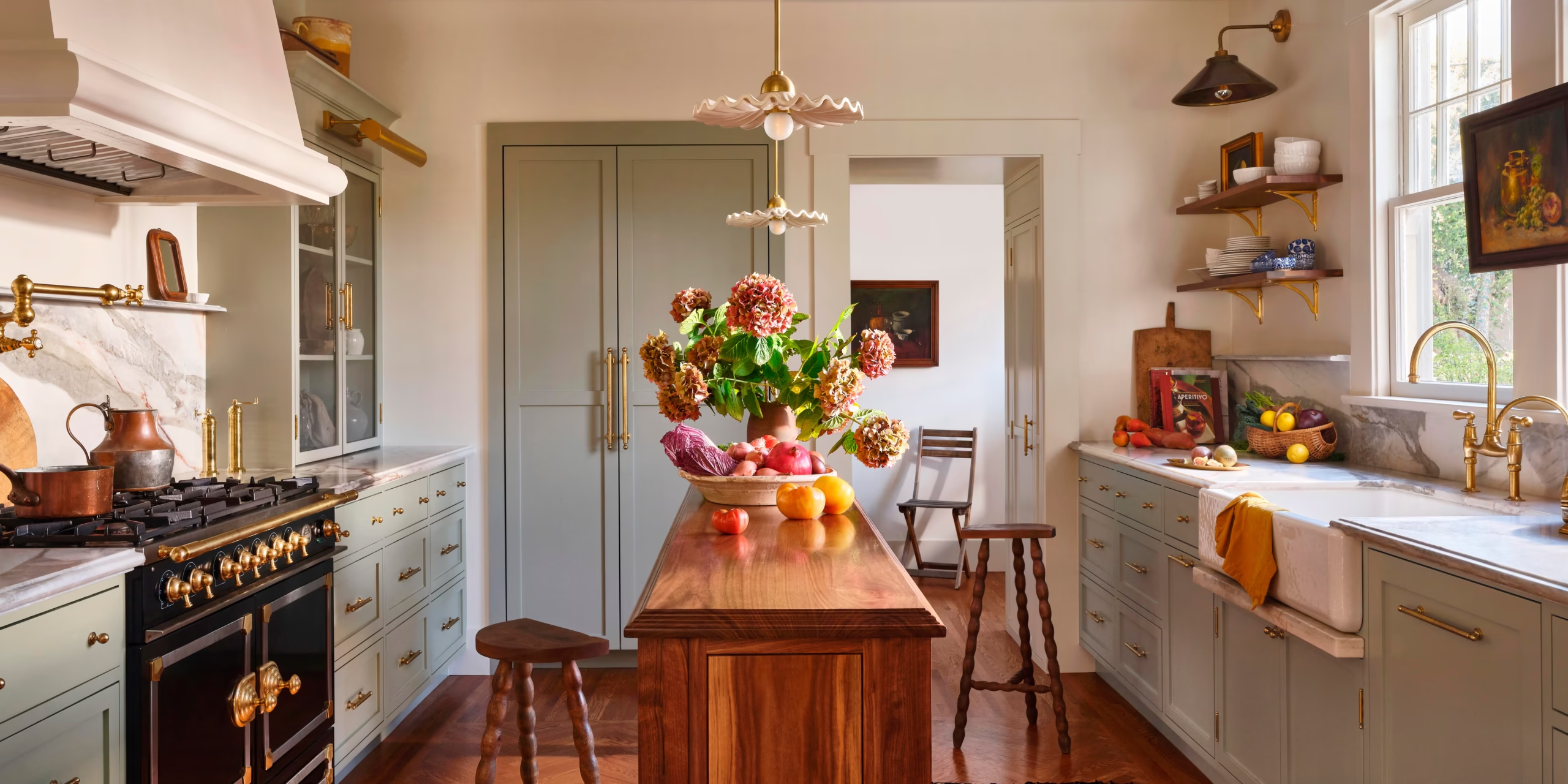
Kitchen Ideas: Inspiring Ways to Create a Stylish, Functional, and Welcoming Kitchen
The kitchen is more than a place where meals are prepared. It is often the heart of a home, a space where families gather, friends talk, and everyday routines take place. Because of this, choosing the right kitchen ideas can make a major difference in how comfortable, attractive, and practical your home feels. Whether you are planning a complete kitchen renovation or simply want to refresh the space without spending too much money, there are many creative possibilities to explore.
A good kitchen design does not have to follow every current trend. The best space is one that matches your lifestyle, available room, personal taste, and budget. From clever storage solutions and modern cabinets to warm lighting and attractive countertops, small changes can sometimes create a surprisingly large impact.
Why Kitchen Ideas Matter
When designing a kitchen, appearance is important, but functionality matters just as much. A beautiful kitchen can become frustrating if there is not enough storage, the work areas are poorly arranged, or appliances are difficult to access.
Thoughtful kitchen ideas help combine style with everyday practicality. For example, placing frequently used cooking tools close to the preparation area can make cooking easier. Adding drawers beneath countertops can provide convenient storage, while well-positioned lighting can make food preparation safer and more comfortable.
The kitchen should also reflect the people who use it. Someone who loves cooking may want a large preparation area and plenty of cabinets, while someone who mainly prepares quick meals might prefer an open layout with simple storage and easy-to-clean surfaces.
Choose a Kitchen Style That Fits Your Home
One of the first decisions is selecting an overall design style. There are many options, so it helps to think about the atmosphere you want.
A modern kitchen often uses clean lines, simple cabinets, smooth surfaces, and minimal decoration. Neutral colors such as white, gray, beige, and black are common, although stronger colors can be introduced through accessories or cabinets.
A traditional kitchen can feel warmer and more decorative. Shaker-style cabinets, natural wood, classic hardware, and detailed finishes can create a timeless appearance.
For people who enjoy a relaxed atmosphere, a farmhouse-inspired kitchen may be appealing. Wood textures, open shelving, warm colors, and simple decorative pieces can give the room a comfortable character.
Another popular approach is an industrial style. Metal details, darker finishes, exposed materials, and simple lighting can create a bold look. The important thing is not to choose a style simply because it is fashionable. Choose one that you can enjoy for years.
Make the Most of Small Kitchens
A small kitchen does not have to feel cramped. One of the most useful kitchen ideas for a limited space is to focus on vertical storage.
Tall cabinets can take advantage of wall height and provide additional room for dishes, pantry items, and cooking equipment. Shelves can also be installed above counters where appropriate.
Another useful option is to choose multifunctional furniture. A compact island, for example, can provide additional preparation space while also functioning as a breakfast counter. A movable kitchen cart can offer storage and workspace while being easy to reposition when necessary.
Light colors can also make a small kitchen appear more spacious. White, cream, pale gray, and soft natural shades reflect light and create an open feeling. However, small kitchens can still use darker colors if they are balanced with good lighting.
Upgrade Your Kitchen Cabinets
Cabinets have a major influence on the appearance of a kitchen. If your existing cabinets are structurally sound, replacing them may not always be necessary.
Painting cabinet doors can create an entirely different appearance. Soft neutral colors offer a timeless feel, while deeper shades can add personality. New handles and knobs can also provide an inexpensive update.
Open shelving is another option. It can make a kitchen feel more open while allowing attractive dishes, jars, cookbooks, and decorative objects to become part of the design.
However, open shelves work best when you are comfortable keeping them organized. Closed cabinets remain useful for items that you do not want to display.
Add a Practical Kitchen Island
A kitchen island can become one of the most useful features in a larger kitchen. It can provide additional countertop space, storage, seating, or even a location for cooking appliances.
When planning an island, it is important to leave enough room around it for comfortable movement. A large island placed in a narrow kitchen can make the space difficult to use.
The island can also become a social area. Adding stools creates a casual place for breakfast, homework, coffee, or conversation. For families, this can make the kitchen feel more connected to daily life.
If the kitchen is too small for a permanent island, consider a narrow peninsula or mobile cart instead.
Improve Kitchen Lighting
Lighting is one of the most overlooked kitchen ideas, yet it can completely change the atmosphere of a room.
A good kitchen usually benefits from several types of lighting. General ceiling lighting provides overall illumination, while task lighting helps with activities such as chopping, cooking, and washing dishes.
Under-cabinet lights are particularly useful because they brighten countertop work areas without creating large shadows. Pendant lights can also add personality above an island or dining area.
Warm lighting can create a cozy environment, while brighter neutral lighting may be useful for detailed cooking tasks. Using different lighting sources gives you greater flexibility throughout the day.
Choose the Right Countertop
Countertops experience heavy daily use, so both appearance and practicality should be considered.
Natural stone can provide a distinctive look, while engineered surfaces can offer consistency and a range of design choices. Laminate remains a popular budget-friendly option because modern patterns can imitate the appearance of more expensive materials.
When selecting a countertop, think about how you use your kitchen. Frequent cooks may prioritize durability and easy maintenance. Someone who mainly wants a stylish space might place greater emphasis on color and texture.
The countertop should also work well with the cabinets, backsplash, flooring, and lighting. Instead of selecting every element separately, consider how all of the materials will look together.
Experiment With Kitchen Backsplash Ideas
A backsplash is a great place to introduce personality. Because it covers a relatively small area compared with cabinets or flooring, it can be an opportunity to experiment with patterns and colors.
Classic subway tiles can create a clean and timeless appearance. Geometric patterns can make the kitchen feel more contemporary, while natural stone textures can provide warmth.
For a simple design, a backsplash can closely match the countertop. For a more dramatic appearance, contrasting colors or patterns can become a focal point.
The backsplash should also be easy to clean because it is exposed to splashes, cooking oils, and food preparation.
Bring Natural Materials Into the Kitchen
Natural materials can make a kitchen feel warmer and more inviting. Wood is especially useful because it adds texture and can work with many different styles.
Wooden cutting boards, stools, shelves, cabinet details, or dining furniture can introduce natural character without requiring a complete renovation.
Plants can also make the kitchen feel fresh. Small herbs such as basil, mint, parsley, or rosemary can be attractive and useful for cooking. Even a few indoor plants placed near a suitable source of natural light can make the room feel more lively.
Create Better Kitchen Storage
Storage is one of the most important parts of successful kitchen planning. A cluttered countertop can make even a large kitchen feel smaller.
Use drawers and cabinets according to how often items are used. Everyday dishes should be easy to reach, while seasonal equipment can be stored in less accessible areas.
Drawer organizers can help separate utensils, while pull-out shelves can make deep cabinets easier to use. Corner cabinets can also benefit from rotating shelves or specialized storage systems.
Do not forget the space beneath the sink. Simple organizers can help store cleaning supplies without allowing the area to become disorganized.
Use Color Carefully
Color can dramatically affect the mood of a kitchen. Neutral kitchens are versatile and easy to update, but adding one or two stronger colors can give the room more personality.
For example, a mostly white kitchen could include green cabinets on the island. A gray kitchen could use warm wooden accessories. A beige kitchen could include black hardware and lighting fixtures for contrast.
You do not need to use many colors. Often, a simple palette of two or three complementary shades looks more sophisticated than a collection of unrelated colors.
Make the Kitchen More Eco-Friendly
Sustainable choices are becoming increasingly relevant in home design. Energy-efficient appliances can help reduce electricity consumption, while LED lighting generally uses less energy than traditional bulbs.
Choosing durable materials can also be a sustainable decision because products that last longer may not need to be replaced as frequently.
Simple habits matter too. Creating an organized recycling area, using reusable storage containers, and reducing food waste can make everyday kitchen activities more environmentally responsible.
Personalize the Space
The most memorable kitchens usually contain details that reflect the people living in the home. This might be a collection of favorite cookbooks, handmade pottery, family photographs, artwork, or unique decorative pieces.
Personalization does not mean filling every surface. A few meaningful objects can have more impact than excessive decoration.
You can also personalize the kitchen through hardware, textiles, wall art, rugs, and lighting fixtures. These elements are relatively easy to change if your taste develops over time.
Budget-Friendly Kitchen Ideas
A complete kitchen ideas renovation can be expensive, but refreshing a kitchen does not always require major construction.
Painting walls or cabinets can provide a noticeable transformation. Replacing cabinet handles, updating light fixtures, adding a new backsplash, or introducing attractive storage containers can also change the appearance.
Decluttering is another free improvement. Removing unused items from countertops and reorganizing cabinets can immediately make the room feel cleaner and more spacious.
Even small improvements can make the kitchen more enjoyable when they are chosen carefully.
Final Thoughts on Kitchen Ideas
The best kitchen ideas combine beauty, comfort, organization, and practicality. A successful kitchen does not need to be enormous or filled with expensive materials. It simply needs to work well for the people who use it.
Start by thinking about your daily routine. Consider what frustrates you about your current kitchen, what you enjoy about it, and what changes would make everyday activities easier. From there, explore options for storage, lighting, cabinets, countertops, colors, and layout.
Whether you prefer a modern kitchen with clean lines, a warm traditional space, a relaxed farmhouse atmosphere, or a simple budget-friendly design, there are countless ways to create a kitchen that feels like home. The key is to balance current inspiration with long-term practicality.
A thoughtfully designed kitchen can improve not only the appearance of your home but also the way you cook, eat, work, and spend time with the people around you. With the right kitchen ideas, even a simple room can become one of the most welcoming and useful spaces in the entire house.