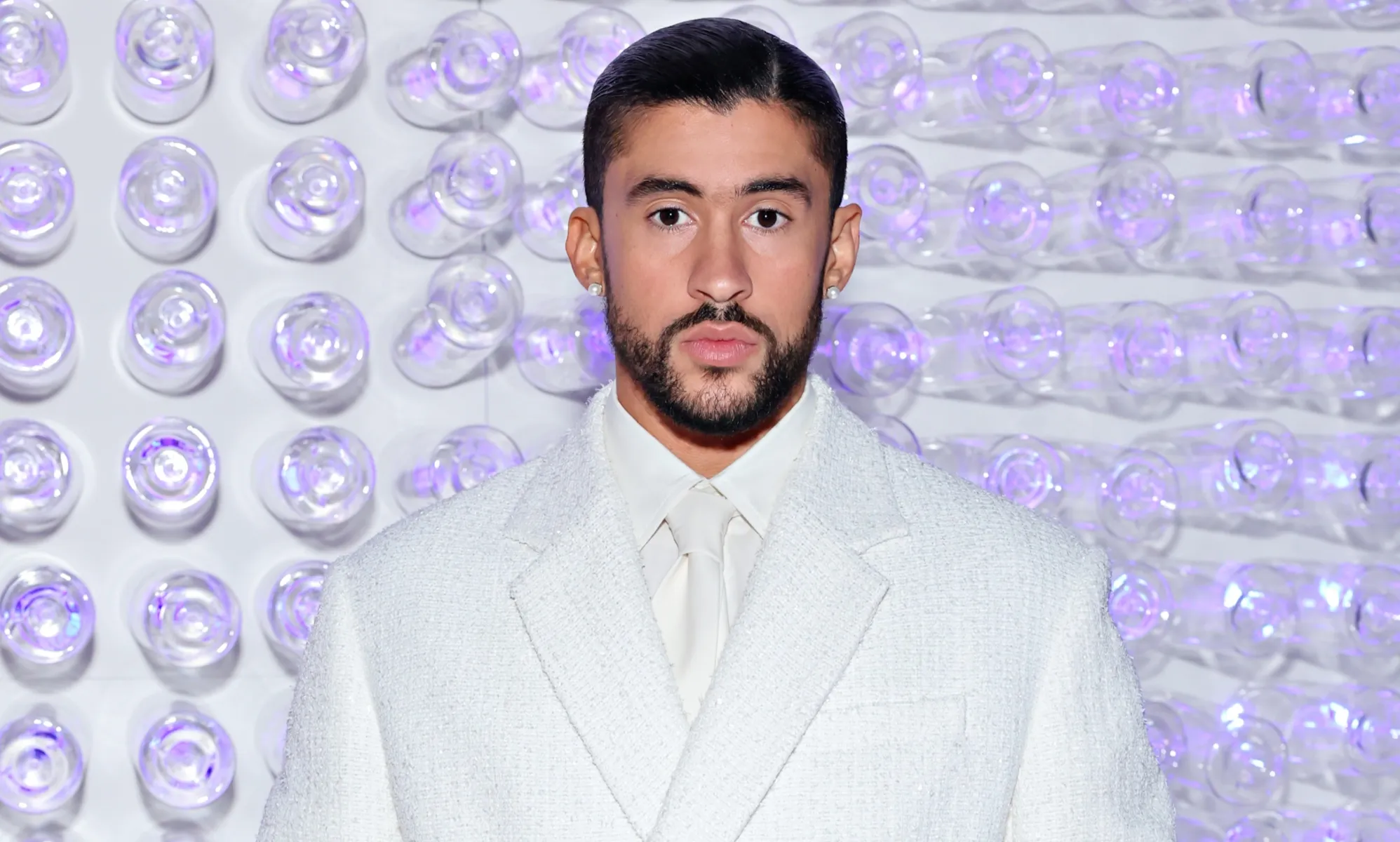
Is Bad Bunny Gay? Exploring His Sexuality, Identity, and Views on LGBTQ+ Representation
Bad Bunny is one of the most influential artists in modern music. Known for his groundbreaking reggaeton hits, distinctive fashion choices, and fearless personality, the Puerto Rican superstar has built a global fan base that extends far beyond Latin music. However, alongside his musical achievements, fans frequently ask an interesting personal question: Is Bad Bunny gay?
The question has attracted attention because of his gender-fluid fashion choices, support for LGBTQ+ rights, music videos, and willingness to challenge traditional expectations of masculinity. His confidence in expressing himself has encouraged many fans to discuss identity, individuality, and representation in the entertainment industry.
Nevertheless, there is an important distinction between someone’s public image, artistic expression, and personal sexual orientation. Wearing traditionally feminine clothing or supporting LGBTQ+ communities does not automatically reveal someone’s sexuality.
To understand why people ask whether Bad Bunny is gay, it is helpful to explore his public statements, relationships, fashion, music, and influence on conversations about identity.
Is Bad Bunny Gay? What Has He Said About His Sexuality?
The most accurate answer is that Is Bad Bunny Gay has not publicly identified himself as gay. In a 2020 interview with the Los Angeles Times, he described his sexuality as fluid and explained that, at that point in his life, he considered himself heterosexual and was attracted to women.
He also expressed the idea that people’s feelings and identities can change over time. Rather than allowing a fixed label to define him, he preferred to leave room for life’s possibilities.
His comments are important because they provide a direct explanation from the artist himself rather than relying on rumors or assumptions made by fans. He has not publicly announced that he is gay or bisexual.
This distinction helps answer the question without ignoring the broader conversation surrounding his identity. Bad Bunny has consistently demonstrated that personal expression does not need to follow traditional expectations.
Who Is Bad Bunny?
Bad Bunny, whose real name is Benito Antonio Martínez Ocasio, is a Puerto Rican singer, rapper, and songwriter. He became internationally recognized through his distinctive combination of reggaeton, Latin trap, and other musical influences.
Born on March 10, 1994, in Vega Baja, Puerto Rico, he developed an interest in music at a young age. Before becoming a global superstar, he worked at a supermarket while sharing his music online.
His career grew rapidly after his songs attracted attention on digital platforms. Eventually, he collaborated with major Latin music artists and established himself as one of the most recognizable performers in the international music industry.
Some of his best-known songs include:
- Soy Peor
- Callaíta
- Tití Me Preguntó
- Me Porto Bonito
- Moscow Mule
- Dakiti
- Yo Perreo Sola
His success comes from more than catchy music. Bad Bunny has developed a recognizable personality through his fashion, performances, public statements, and willingness to challenge established cultural expectations.
Why Do People Ask Whether Bad Bunny Is Gay?
There are several reasons why fans frequently search for information about Bad Bunny’s sexuality.
One major reason is his fashion sense. Unlike many male performers who follow traditional masculine styling, Bad Bunny regularly experiments with colorful outfits, painted nails, skirts, jewelry, makeup, and unconventional clothing combinations.
These choices have attracted attention because they challenge traditional ideas about how male musicians should look and behave.
Another reason is his willingness to include LGBTQ+ themes in his music videos and performances. Some of his creative projects feature same-sex affection, transgender representation, and gender-nonconforming characters.
His performances also sometimes include unexpected moments that encourage conversations about sexuality and identity.
However, none of these things automatically determine someone’s sexual orientation. Fashion is a form of personal expression, while artistic performances can communicate ideas that are separate from an artist’s private identity.
Bad Bunny’s approach demonstrates why it is important to distinguish between artistic freedom and personal sexuality.
Bad Bunny’s Gender-Fluid Fashion and Personal Style
Bad Bunny is famous for experimenting with fashion. His wardrobe often combines streetwear, luxury clothing, bold accessories, and styles traditionally associated with different genders.
He has appeared publicly wearing painted nails, skirts, colorful clothing, and outfits that challenge conventional ideas of masculinity.
For many fans, these fashion choices represent confidence and independence. They demonstrate that men should be able to express themselves without worrying about whether their appearance meets traditional expectations.
In a 2023 interview with Vanity Fair, Bad Bunny discussed receiving negative comments about his clothing choices. He explained that he sometimes faced sexist and homophobic reactions simply because he dressed differently.
His experiences highlight a wider problem in popular culture. Men who experiment with fashion can become targets of criticism, even when their clothing choices have nothing to do with their sexual orientation.
Bad Bunny has continued expressing himself despite such reactions. His style sends a message that personal confidence should not depend on other people’s approval.
Did Bad Bunny Kiss a Male Dancer?
Yes. One of the most widely discussed moments involving Bad Bunny’s sexuality occurred during the 2022 MTV Video Music Awards.
While performing his hit song Tití Me Preguntó, he kissed both a male and a female backup dancer during the performance.
The moment quickly attracted attention across social media. Fans discussed whether the kiss represented a statement about his sexuality, an artistic decision, or simply part of the performance.
However, a stage kiss does not establish someone’s sexual orientation. Performers frequently use unexpected moments to entertain audiences, communicate creative messages, or challenge social expectations.
Bad Bunny has also participated in acting projects involving romantic scenes with male characters. Such performances should not be confused with personal declarations about his private life.
The VMA moment became another example of how Bad Bunny challenges conventional expectations surrounding male celebrities.
Bad Bunny’s Support for the LGBTQ+ Community
One of the most important parts of Bad Bunny’s public image is his support for LGBTQ+ representation.
Throughout his career, he has used his platform to highlight discrimination and encourage greater acceptance of people with different identities.
He has spoken against homophobia and included LGBTQ+ individuals in creative projects. His approach has been particularly meaningful in Latin music, where traditional gender expectations and conservative attitudes have sometimes limited representation.
Bad Bunny has also received recognition for his support. In 2023, he received the GLAAD Vanguard Award, which recognizes people who have helped improve LGBTQ+ visibility and acceptance through their work.
This recognition demonstrated that his influence extends beyond music and entertainment.
His support is also significant because LGBTQ+ representation in mainstream Latin music can help audiences feel more visible and accepted.
Bad Bunny’s public actions show that supporting a community does not require someone to share every identity represented within it. People can advocate for equality because they believe everyone deserves dignity and respect.
What Does the Song “Yo Perreo Sola” Have to Do With His Identity?
Bad Bunny’s song Yo Perreo Sola is another reason people discuss his relationship with gender expression and LGBTQ+ culture.
Released in 2020, the song became popular for its energetic rhythm and message about women’s independence and freedom on the dance floor.
The music video attracted particular attention because Bad Bunny appeared in drag, wearing traditionally feminine clothing, makeup, and dramatic styling.
The video also included a message encouraging respect for women’s boundaries and independence.
His appearance challenged traditional expectations of masculinity, particularly within reggaeton, a genre that has historically been associated with highly masculine imagery.
The decision was widely discussed because a major male Latin artist was using his visibility to challenge familiar gender stereotypes.
However, dressing in drag does not automatically mean someone is gay, bisexual, or transgender. Drag is an artistic performance style, while sexual orientation and gender identity are separate concepts.
Bad Bunny’s appearance in the video was a creative decision that also contributed to conversations about acceptance and freedom of expression.
Bad Bunny’s Dating History and Relationships
Another reason people question Bad Bunny’s sexuality is his romantic history. Over the years, he has been publicly associated with several women.
One of his known relationships was with Gabriela Berlingeri. The two were frequently seen together, and she became an important part of his personal life during the earlier years of his international success.
Bad Bunny was also romantically linked to American model Kendall Jenner in 2023 and 2024. Their relationship attracted considerable media attention because both were internationally recognized celebrities.
Before these relationships, he was also associated with Carliz De La Cruz Hernández, whom he reportedly dated for several years.
His publicly known relationships have involved women. However, relationship history alone cannot establish someone’s complete sexual identity.
It is important to respect what Bad Bunny has actually said rather than treating his dating history as definitive proof of anything.
Why Bad Bunny Challenges Traditional Masculinity
Bad Bunny’s influence is particularly interesting because of the musical culture in which he became successful.
Reggaeton and Latin trap have often featured strong masculine images. Male performers traditionally emphasized confidence, toughness, fashion associated with masculinity, and romantic relationships with women.
Bad Bunny has challenged some of these expectations.
He can perform energetic reggaeton songs while appearing in clothing that traditional audiences might consider unconventional. He can also express vulnerability, discuss social problems, and support people who experience discrimination.
His willingness to experiment with his appearance has encouraged conversations about masculinity in Latin entertainment.
For younger audiences, his approach can represent an opportunity to question outdated expectations. It shows that a man’s personality does not need to fit into a narrow cultural definition.
Importantly, challenging traditional masculinity does not require someone to identify as LGBTQ+. It simply demonstrates that personal expression can take many different forms.
Is Bad Bunny Bisexual?
Another frequently searched question is whether Bad Bunny is bisexual.
There is no confirmed public statement in which he identifies himself as bisexual. His 2020 interview with the Los Angeles Times provides the clearest explanation of his position.
He described his sexuality as fluid, stated that he was heterosexual at that time, and acknowledged that he could not predict how his feelings might develop in the future.
Sexual fluidity generally refers to the possibility that someone’s attractions or understanding of their sexuality may change over time.
It is not necessarily the same as identifying as bisexual. These terms have different meanings, and people should be allowed to choose the descriptions that feel appropriate to them.
Therefore, calling Bad Bunny bisexual without a public identification from him would be inaccurate.
The most respectful approach is to acknowledge his own comments without assigning him a label he has not chosen.
How Fans and the Music Industry View Bad Bunny
Bad Bunny has developed a diverse international fan base. His listeners include people from different countries, cultures, age groups, and communities.
Many LGBTQ+ fans appreciate his willingness to challenge traditional gender expectations and include queer representation in mainstream music.
His creative choices have also encouraged conversations about how male performers can support equality without changing their personal identities.
At the same time, some audiences disagree with his fashion choices and public performances. Online discussions sometimes become heated, particularly when traditional expectations of masculinity are involved.
Nevertheless, Bad Bunny continues to maintain his distinctive personality.
His popularity demonstrates that modern audiences are increasingly interested in artists who offer something different. Music fans do not necessarily expect their favorite performers to follow conventional rules.
Instead, many appreciate creativity, individuality, authenticity, and the courage to express personal beliefs.
Frequently Asked Questions About Bad Bunny
1. Is Bad Bunny gay in real life?
Is Bad Bunny Gay has not publicly identified as gay. In a 2020 interview, he described himself as heterosexual at that time while explaining that he viewed sexuality as fluid.
2. Is Bad Bunny bisexual?
He has not publicly identified as bisexual. Although he has discussed sexual fluidity, it would be inaccurate to assign him a bisexual identity without his confirmation.
3. Did Bad Bunny kiss a man?
Yes. During his 2022 MTV Video Music Awards performance, he kissed a male backup dancer while performing Tití Me Preguntó. The moment attracted significant attention online.
4. Does Bad Bunny support LGBTQ+ rights?
Yes. He has publicly supported LGBTQ+ representation, criticized homophobia, and included queer and transgender individuals in his creative projects. He received the GLAAD Vanguard Award in 2023.
5. Why does Bad Bunny wear feminine clothing?
Bad Bunny uses fashion as a form of personal and artistic expression. His clothing choices challenge traditional gender expectations and demonstrate that men should feel comfortable experimenting with their appearance.
6. Is Bad Bunny transgender?
Bad Bunny has not publicly identified as transgender. His fashion choices and performances should not be confused with his gender identity.
7. What is Bad Bunny’s real name?
His real name is Benito Antonio Martínez Ocasio. He was born in Puerto Rico and became internationally famous through reggaeton, Latin trap, and other musical styles.
8. Has Bad Bunny publicly discussed his sexuality?
Yes. In his 2020 Los Angeles Times interview, he discussed sexual fluidity and explained that he did not want his sexuality to define him.
Conclusion:
So, is Bad Bunny gay? Based on his public statements, he has not identified as gay. In a widely discussed 2020 interview, he described himself as heterosexual at that point in his life while expressing an open-minded perspective about sexuality and the possibility of change.
His fashion choices, performances, music videos, and support for LGBTQ+ communities have encouraged many conversations about identity and representation. However, these creative decisions do not automatically reveal his sexual orientation.
What makes Bad Bunny particularly interesting is his willingness to challenge traditional expectations while remaining confident in his individuality. He has demonstrated that clothing, music, and artistic expression should not be restricted by outdated ideas about masculinity.
Ultimately, his personal identity deserves the same respect as anyone else’s. Rather than focusing entirely on speculation about his sexuality, fans can appreciate his musical achievements, creative influence, and contributions to conversations about acceptance and self-expression.

Related Posts
Daily Mirror Royals: Your Guide to Royal Family News, Celebrity Updates, and Exclusive Stories
Tracy T Net Worth: Career, Music Earnings, Business Ventures, and Lifestyle