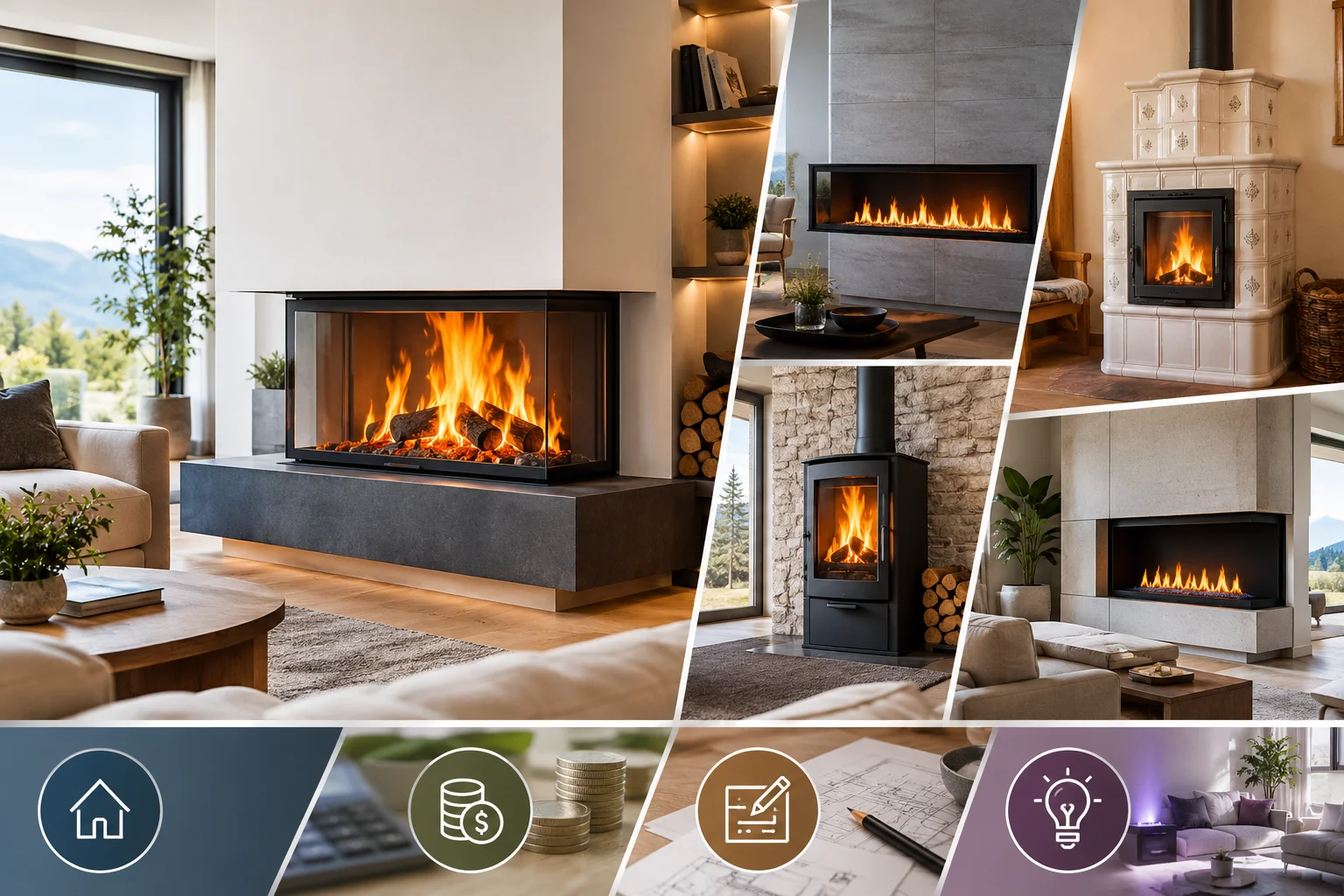
Zimmerkamine: A Complete Guide to Stylish, Comfortable, and Modern Indoor Fireplaces
Introduction
A warm and welcoming home is something everyone appreciates, especially during the colder months. One feature that can instantly transform an ordinary living space into a comfortable and inviting environment is a fireplace. In modern home design, zimmerkamine have become an increasingly interesting choice for homeowners who want to combine warmth, functionality, and attractive interior decoration.
The term zimmerkamine refers to room fireplaces or indoor fireplaces designed to bring the atmosphere of a traditional fire into residential spaces. These fireplaces can serve as practical heating solutions, decorative centerpieces, or a combination of both. From classic wood-burning designs to contemporary electric and gas models, there are many possibilities for different homes and personal preferences.
However, choosing the right fireplace involves more than simply selecting an attractive design. Homeowners must consider room size, installation requirements, heating performance, safety, maintenance, and energy efficiency. Understanding these factors can make it easier to find a fireplace that complements both the appearance and practical needs of a home.
This guide explores zimmerkamine in detail, including their different types, benefits, design possibilities, installation considerations, and maintenance requirements.
What Are Zimmerkamine?
Zimmerkamine are indoor fireplaces designed for residential environments. They are generally installed in living rooms, bedrooms, dining areas, and other suitable interior spaces. Their primary purpose is to provide warmth while creating a visually appealing atmosphere.
Traditional fireplaces have been part of residential architecture for centuries. In earlier homes, they were essential sources of heat and often served as the main gathering point for families. Modern fireplaces continue this tradition but offer considerably more variety in terms of technology, materials, appearance, and installation methods.
Today, zimmerkamine are available in several different styles. Some use real wood to produce natural flames, while others operate with gas, electricity, or specialized bioethanol fuel.
Their designs range from traditional masonry structures to minimalist wall-mounted units. This flexibility allows homeowners to incorporate a fireplace into different architectural styles without necessarily making major changes to the entire room.
Different Types of Zimmerkamine
One of the most important considerations when choosing an indoor fireplace is understanding the available options. Each type offers different advantages and installation requirements.
1. Wood-Burning Zimmerkamine
Wood-burning fireplaces are among the most traditional options. They use logs or specially prepared firewood to produce heat and natural flames.
Many homeowners appreciate these fireplaces because of their authentic appearance, distinctive sounds, and natural burning experience. The movement of real flames can create a relaxing atmosphere that is difficult to reproduce with decorative alternatives.
Modern wood-burning stoves and fireplace inserts can offer improved combustion performance compared with older open fireplaces. However, their efficiency depends on the appliance, installation, fuel quality, and operating practices.
Wood-burning models require an appropriate chimney or flue system. Regular cleaning and inspection are also essential because soot and creosote can accumulate during operation.
2. Gas Zimmerkamine
Gas fireplaces provide another popular option for residential interiors. They generally operate using natural gas or liquefied petroleum gas, depending on the appliance and local availability.
One advantage of gas fireplaces is convenience. Many models can be switched on with a control system rather than requiring users to prepare wood and manually manage a fire.
Gas fireplaces are available in traditional and contemporary designs. Some feature realistic ceramic logs, while others use decorative stones or modern flame arrangements.
Nevertheless, proper ventilation, professional installation, and regular servicing are essential. Homeowners should select appliances specifically approved for their intended indoor installation.
3. Electric Zimmerkamine
Electric fireplaces are attractive to people who want the appearance of a fireplace without installing a traditional chimney.
These appliances use electricity to create simulated flames, often with lighting effects and decorative logs or stones. Many models also include an integrated electric heater.
Electric zimmerkamine are available as wall-mounted units, freestanding fireplaces, fireplace inserts, and furniture-style designs.
Their installation is generally simpler than that of wood-burning or gas fireplaces. However, electrical requirements and manufacturer instructions must still be followed.
An important distinction is that electric fireplaces do not produce the same type of heat as a real combustion fire. Their heating performance depends on their electrical rating and the size of the room.
4. Bioethanol Zimmerkamine
Bioethanol fireplaces use specially formulated liquid fuel to create real flames without burning traditional firewood.
They are often chosen for their contemporary appearance and relatively flexible placement options. Some models are freestanding, while others are designed for wall installation or integration into furniture.
However, bioethanol fireplaces still involve actual combustion. They consume oxygen and release combustion products, including carbon dioxide and water vapor. Depending on the appliance and operating conditions, other pollutants may also be produced.
Consequently, adequate ventilation and strict compliance with manufacturer safety instructions are necessary. Fuel should never be added while the fireplace is burning or still hot.
Benefits of Installing Zimmerkamine
There are several reasons homeowners consider adding an indoor fireplace to their living spaces.
Creating a Comfortable Atmosphere
One of the biggest attractions of a fireplace is the atmosphere it creates. Warm lighting and visible flames can make a room feel more comfortable and welcoming.
A fireplace can become the natural gathering point of a living room. Family members and guests may enjoy sitting nearby, reading books, talking, or relaxing after a busy day.
Even decorative electric fireplaces can provide a similar visual experience without producing real flames.
Improving Interior Design
A well-selected fireplace can become an important architectural feature.
Traditional fireplaces often complement classic interiors, particularly those featuring natural wood, stone, and warm colors. Meanwhile, modern models can fit beautifully into minimalist rooms with clean lines and neutral color schemes.
A fireplace can also provide a focal point around which other furniture and decorations are arranged.
Providing Additional Heating
Depending on the model, zimmerkamine can provide supplementary heating for residential rooms.
Wood-burning, gas, and electric fireplaces have different heating capacities. Choosing an appropriately sized appliance can help maintain comfortable temperatures in suitable spaces.
However, a fireplace should not automatically be considered a replacement for a home’s central heating system. Its effectiveness depends on insulation, room dimensions, heating capacity, and building layout.
Offering Different Design Possibilities
Modern fireplace manufacturers offer a wide range of designs, finishes, and installation styles.
Homeowners can select compact units for smaller apartments, larger fireplaces for spacious living rooms, or contemporary designs that integrate into custom entertainment walls.
This variety makes it easier to match a fireplace with existing furniture and architectural features.
How to Choose the Right Zimmerkamine for Your Home
Selecting the right fireplace requires careful consideration of several factors.
Consider the Size of Your Room
Room dimensions are important when selecting a heating appliance.
A fireplace that is too small may not provide sufficient warmth, while an oversized model could make the room uncomfortably hot.
Before purchasing, consider the room’s floor area, ceiling height, insulation quality, and the amount of heat required.
Manufacturer heating specifications and professional advice can help identify a suitable model.
Choose a Suitable Fuel Type
Different fuel types offer different experiences.
Wood-burning fireplaces provide natural flames but require firewood storage and chimney maintenance. Gas models offer convenient operation but need suitable gas connections and professional installation. Electric fireplaces are easier to install in many situations, while bioethanol models provide real flames without conventional firewood.
The best choice depends on personal preferences, available infrastructure, running costs, and local safety requirements.
Match the Fireplace With Your Interior
A fireplace should complement the overall appearance of the room.
For example, a traditional stone fireplace may look attractive in a rustic home, while a slim electric fireplace can suit a contemporary apartment.
Color, materials, proportions, and surrounding furniture all influence the final result.
It is also important to consider the available wall space and the manufacturer’s required installation clearances.
Evaluate Maintenance Requirements
Maintenance is another important factor.
Wood-burning fireplaces generally require ash removal, chimney sweeping, and regular inspection. Gas fireplaces need periodic professional servicing. Electric models usually require less routine maintenance, although their electrical components should be checked according to manufacturer recommendations.
Understanding these responsibilities before purchasing can prevent unexpected expenses later.
Modern Zimmerkamine Design Trends
Interior design continues to evolve, and fireplaces have become more versatile than ever.
Minimalist Fireplace Designs
Minimalist fireplaces focus on simplicity, clean lines, and uncluttered surroundings.
These designs often feature black, white, gray, or metallic finishes. Their straightforward appearance makes them suitable for contemporary homes.
Wall-mounted electric fireplaces are particularly popular in minimalist interiors because they can create a fireplace effect without occupying much floor space.
Glass Fireplace Designs
Glass is frequently used in contemporary fireplace construction.
Large glass viewing panels allow people to enjoy the flames while maintaining a modern appearance. Some designs also offer viewing from multiple sides.
However, fireplace glass must be designed for high temperatures and installed according to the appliance specifications.
Natural Stone and Brick Finishes
Natural materials remain popular in traditional and modern interiors.
Stone and brick can add texture, visual depth, and a sense of permanence to a fireplace installation.
These materials work particularly well in homes that feature wooden furniture, natural flooring, and warm decorative colors.
Built-In Fireplace Designs
Built-in fireplaces are integrated into walls or custom interior structures.
They can create a streamlined appearance and help make the fireplace feel like a natural part of the architecture.
Careful planning is necessary because built-in installations must account for ventilation, insulation, electrical or fuel connections, and required service access.
Installation and Safety Considerations
Installing zimmerkamine requires attention to safety, especially when the appliance produces real flames.
Wood-burning and gas fireplaces should be installed by appropriately qualified professionals. The chimney or flue must be suitable for the appliance, and the surrounding construction must meet applicable fire-safety requirements.
Electric fireplaces should be connected to electrical systems that meet the manufacturer’s specifications. Extension cords and overloaded outlets should not be used unless specifically permitted by the manufacturer.
Bioethanol models require particularly careful handling because their fuel is flammable.
Homeowners should also consider the following precautions:
- Keep combustible materials away from the fireplace.
- Follow the manufacturer’s minimum clearance requirements.
- Install suitable smoke alarms and carbon monoxide alarms where appropriate.
- Never leave an operating fire unattended.
- Keep children and pets away from hot surfaces and open flames.
- Never use outdoor-only heating appliances inside a home.
- Store fireplace fuel safely and away from heat sources.
- Arrange regular professional inspections when required.
These precautions help reduce avoidable risks and support safer everyday operation.
Maintaining Zimmerkamine for Long-Term Performance
Regular maintenance helps keep an indoor fireplace operating properly.
For wood-burning fireplaces, ash should be removed when appropriate, and the firebox should be inspected for damage. Chimneys and flues should be professionally cleaned and examined at recommended intervals.
Gas fireplaces require attention to burners, connections, ventilation, and other components. Professional servicing can help identify problems before they become serious.
Electric fireplaces generally need simpler maintenance. Dust should be removed from accessible surfaces, air openings should remain unobstructed, and damaged electrical components should be repaired by qualified technicians.
Bioethanol fireplaces should be cleaned and maintained according to their specific instructions. Fuel containers must be handled carefully, and burners should never be refilled while hot.
A consistent maintenance routine can improve reliability and extend the useful life of the appliance.
Are Zimmerkamine Suitable for Small Apartments?
Many people assume that fireplaces are suitable only for large houses. However, modern designs have made them more accessible to apartment residents.
Compact electric fireplaces are particularly useful for smaller living spaces. They can provide decorative flame effects and supplementary heating without requiring a conventional chimney.
Some wall-mounted models also help preserve valuable floor space.
Nevertheless, apartment residents should check building regulations, rental agreements, electrical capacity, and installation permissions before purchasing a fireplace.
Real-flame appliances require additional consideration because ventilation and combustion safety cannot be ignored simply because the fireplace is compact.
For many small apartments, an appropriately sized electric fireplace may be the most straightforward option.
Understanding the Cost of Zimmerkamine
The total cost of an indoor fireplace depends on several factors.
The purchase price varies according to the fuel type, materials, design, brand, heating capacity, and technology.
Installation can represent a significant additional expense. For example, a wood-burning fireplace may require chimney construction or modifications, while a gas fireplace may need professional fuel connections and ventilation arrangements.
Operating costs also differ.
Wood-burning fireplaces involve the purchase and storage of suitable firewood. Gas models consume fuel, while electric fireplaces increase electricity consumption when their heating functions are used.
Bioethanol models require ongoing fuel purchases.
Therefore, homeowners should evaluate the total cost of ownership rather than focusing exclusively on the initial purchase price.
Environmental Considerations
Environmental impact is another factor worth considering when selecting zimmerkamine.
Wood combustion releases particulate matter and other pollutants. Its environmental impact depends on factors such as fuel quality, moisture content, combustion efficiency, and the sustainability of the wood supply.
Gas fireplaces produce fewer particles than traditional wood-burning appliances during operation, but they still release combustion emissions and depend on fossil fuels in many installations.
Electric fireplaces do not create combustion emissions inside the room. However, their overall environmental impact depends partly on how the electricity is generated.
Bioethanol fireplaces use renewable-origin fuel in some cases, but burning bioethanol still produces emissions and consumes indoor oxygen.
Homeowners interested in environmental performance should compare verified appliance specifications, local energy sources, and applicable emissions standards.
Common Mistakes to Avoid When Buying Zimmerkamine
Although choosing a fireplace can be exciting, several common mistakes can lead to disappointment.
One mistake is selecting a fireplace based entirely on appearance. A beautiful design may not provide the heating capacity needed for the intended room.
Another mistake is ignoring installation requirements. Not every fireplace can be safely installed in every building.
Some buyers also underestimate maintenance costs. Chimney cleaning, professional inspections, fuel storage, and repairs should all be included in the purchasing decision.
Poor ventilation is another serious concern with combustion-based fireplaces. Homeowners should never assume that a small room automatically makes a compact real-flame appliance safe.
Finally, purchasing an appliance without checking its certification, warranty, and manufacturer instructions can create unnecessary problems.
Taking time to compare options can make the buying process more successful.
The Future of Zimmerkamine
Fireplace technology continues to develop as manufacturers respond to changing expectations about comfort, design, convenience, and energy efficiency.
Modern electric fireplaces increasingly feature realistic flame effects, adjustable lighting, remote controls, and programmable heating functions.
Smart home technology is also influencing fireplace design. Some appliances offer app-based controls and integration with compatible home automation systems.
At the same time, traditional fireplace manufacturers continue working on improved combustion systems and better heat management.
Future developments are likely to place greater emphasis on efficient operation, safer installation, attractive designs, and compatibility with modern residential architecture.
These improvements may make indoor fireplaces more adaptable to different homes and lifestyles.
Conclusion
Zimmerkamine offer an interesting combination of comfort, practical heating, and interior design. Whether someone prefers the traditional charm of a wood-burning fireplace or the convenience of a modern electric model, there are numerous options available for residential spaces.
Choosing the right fireplace requires more than considering its appearance. Room size, fuel type, installation requirements, maintenance, operating costs, and safety should all influence the final decision.
Modern fireplaces can complement traditional houses, contemporary apartments, and carefully designed living spaces. With proper planning and responsible use, they can become attractive and functional additions to a home.
Ultimately, the best zimmerkamine are those that meet the homeowner’s practical requirements while creating an inviting atmosphere. By understanding the available designs and evaluating their advantages and limitations, homeowners can make informed decisions and enjoy a fireplace that suits their space for years to come.