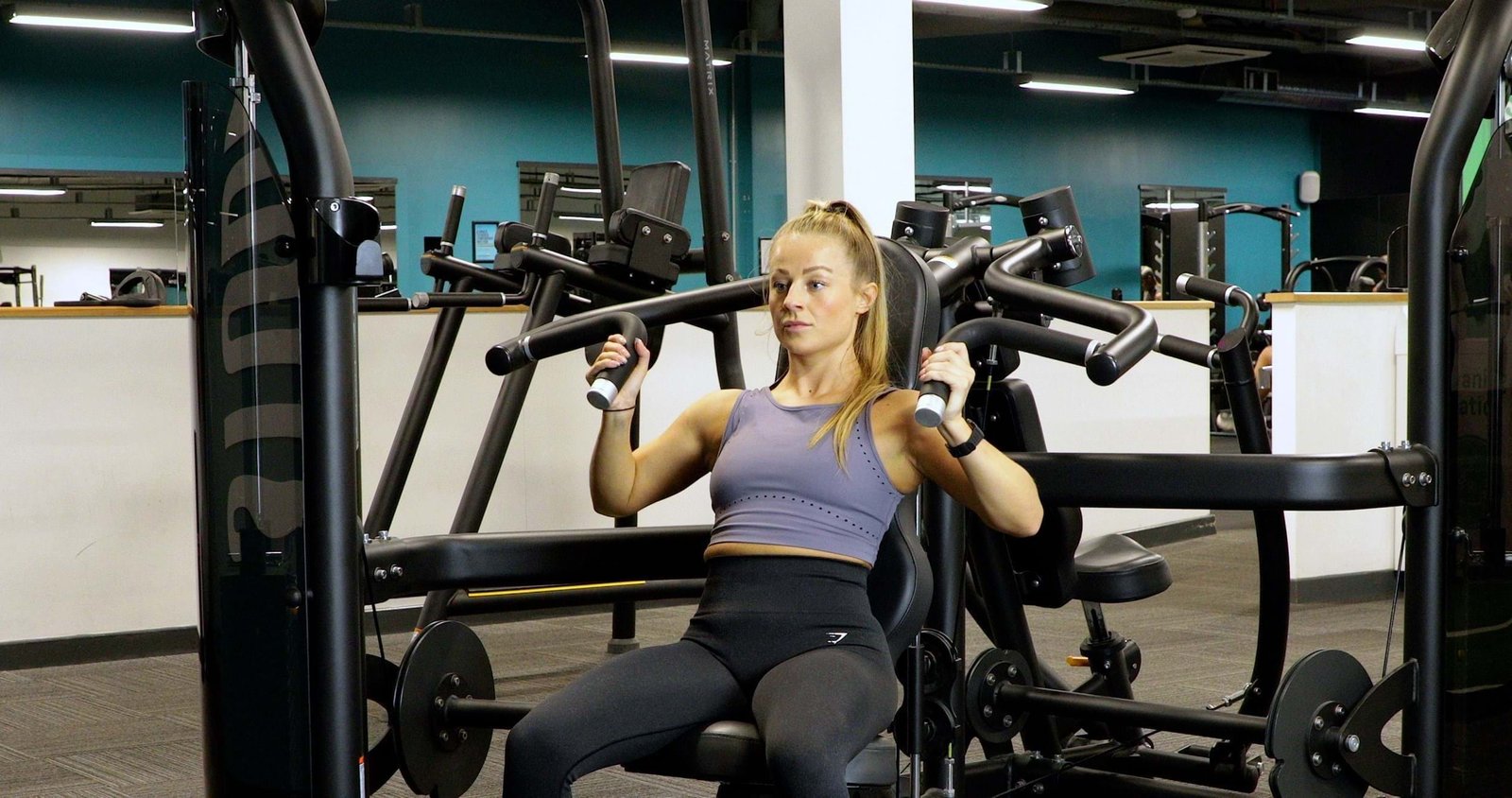
The Complete Guide to the Shoulder Press Machine: Benefits, Techniques, and Training Tips
Introduction:
When you walk into any modern gym, one machine almost always stands out among the rows of equipment—the shoulder press machine. It’s sleek, versatile, and used by everyone from beginners just starting their fitness journey to advanced lifters who want to target their shoulders safely. But why is this machine so popular? And what makes it different from just picking up a pair of dumbbells or loading up a barbell?
The shoulder press machine offers a controlled way to train your deltoids, triceps, and even parts of your upper chest. Unlike free weights, it stabilizes the movement, ensuring your form doesn’t break down as easily. For many lifters, especially beginners, this means fewer injuries and a better chance of focusing on muscle activation. For experienced athletes, it can serve as an accessory tool to maximize hypertrophy without overloading stabilizing muscles that are already taxed from other exercises.
Beyond the basics, the shoulder press machine can be adjusted to suit different training goals. Whether you’re building raw strength, sculpting your physique, or rehabbing an injury, this machine provides a reliable option. That’s why understanding its benefits, proper form, and variations is essential if you want to make the most of it.
Understanding the Shoulder Press Machine
At its core, the shoulder press machine mimics the pressing motion of the overhead barbell press. The key difference lies in its structure and mechanical support. Instead of having to stabilize weights yourself, the machine guides your arms through a set range of motion. This controlled path helps reduce unnecessary strain on smaller stabilizer muscles, allowing you to push harder on the targeted muscles.
Most shoulder press machines are designed with adjustable seats, handles, and weight stacks or plates. This adjustability ensures that people of different body sizes and limb lengths can use the equipment comfortably. If you’ve ever tried pressing free weights and felt discomfort in your wrists or shoulders, the machine’s ergonomics can provide relief. The handles often rotate or angle slightly to align naturally with your grip, reducing joint stress.
Another important point about the shoulder press machine is its accessibility. Free weights can be intimidating for beginners, but machines offer a sense of security. The guided motion means less guesswork, which encourages consistency in training. Over time, this consistency builds strength and muscle more efficiently, especially for people who might otherwise avoid upper-body pressing exercises.
The Muscles Worked by the Shoulder Press Machine
When you think of shoulder training, your mind probably jumps straight to the deltoids. While that’s accurate, the shoulder press machine does much more than just work one muscle group. It primarily targets the anterior deltoids (front shoulders), but it also engages the lateral deltoids (sides), triceps, and upper pectorals. This makes it a compound movement rather than an isolation exercise.
The anterior deltoids are most active when pressing overhead. They play a big role in lifting your arms forward and upward. If your goal is to develop rounded, strong shoulders, then this machine is an essential tool. The lateral deltoids contribute to width and that broad-shouldered look. While they’re not the primary movers in this exercise, they still get some secondary stimulation.
Beyond the shoulders, the triceps are heavily involved. Every pressing motion requires elbow extension, and the triceps handle that role. For people who want to maximize arm development, the shoulder press machine complements triceps training perfectly. Finally, the upper chest also plays a supporting role, particularly if the machine’s seat or handles are angled slightly forward. This overlap makes the shoulder press machine a multi-muscle powerhouse, perfect for efficiency in training.
Benefits of Using the Shoulder Press Machine
One of the biggest advantages of the shoulder press machine is safety. With free weights, you always face the risk of losing balance, tipping forward, or arching your back excessively. The machine keeps your movement steady and aligned, minimizing these risks. This safety aspect makes it ideal for beginners and for anyone recovering from an injury who still wants to train effectively.
Another benefit is progressive overload. Since most machines have easily adjustable weight stacks, it’s simple to increase resistance gradually. This ability to fine-tune your workload allows for consistent progression without big jumps in weight. With free weights, you often move up by 5-10 pounds at a time, but machines allow for smaller increments that better match your strength curve.
Finally, the shoulder press machine is fantastic for muscle isolation. By eliminating the need for heavy stabilization, it lets you zero in on your delts and triceps. If your goal is hypertrophy, this controlled isolation can make a big difference in how quickly you see results. Pairing the machine with free-weight pressing exercises often yields the best balance of functional strength and muscle growth.
Proper Form and Technique on the Shoulder Press Machine
Even though the machine provides stability, Shoulder Press Machine using proper form is still essential. Start by adjusting the seat height. Your hands should be at or just below shoulder level when gripping the handles. If the seat is too high or low, the range of motion will feel awkward, and your shoulders won’t be in the right position.
Next, focus on your grip. Most machines allow for either a pronated (palms facing forward) or neutral (palms facing each other) grip. Choose the one that feels more natural and comfortable for your shoulders. Keep your back pressed against the seat pad, and avoid arching excessively. While some back arch is natural, too much shifts the load away from the shoulders and into the chest and spine.
When pressing, use a controlled tempo. Push the handles upward without locking out your elbows at the top. Lower the weight slowly until your elbows are at about a 90-degree angle or slightly below. Rushing through reps or using momentum defeats the purpose of the exercise. Remember, the goal is to feel the shoulders doing the work, not to just move weight from point A to point B.
Common Mistakes to Avoid
One common mistake people make on the shoulder press machine is setting the seat incorrectly. If your elbows start too high or too low, your shoulders won’t move through their optimal range of motion. This not only reduces effectiveness but can also lead to joint discomfort. Always double-check your seat height before starting.
Another mistake is using too much weight. It’s tempting to load up the stack and try to impress, but the shoulder press machine is about control and precision. Using weights that are too heavy often leads to poor form, half reps, or arching the back excessively. Instead, focus on weights that allow full, controlled repetitions.
A third mistake is locking out the elbows at the top of the press. This shifts the stress away from the shoulders and into the joints, which increases the risk of injury over time. Keeping a slight bend in your elbows ensures constant tension on the target muscles, maximizing the benefits of the exercise.
Variations of the Shoulder Press Machine
The shoulder press machine is not a one-size-fits-all piece of equipment. Different gyms offer different designs, and each variation slightly changes the emphasis of the exercise. For example, some machines use a vertical press path, which keeps the motion strict and highly targeted on the shoulders. Others have a slightly angled press path, which brings the upper chest more into play.
Another variation comes from the handles. Some machines offer a neutral grip option. This grip reduces external rotation in the shoulders, making it easier on the joints. Lifters with shoulder issues often find the neutral grip much more comfortable. There are also plate-loaded shoulder press machines, which mimic free weights more closely by allowing you to load plates instead of using a weight stack.
Finally, you can experiment with unilateral pressing, where you press with one arm at a time. This is useful for correcting muscle imbalances and building coordination. Unilateral pressing also forces your core to stabilize slightly more, adding an extra layer of training benefit.
Shoulder Press Machine vs. Free Weights
The big debate in gyms everywhere is whether machines or free weights are better. The truth is, both have their place. Free weights, like dumbbell or barbell presses, demand more stabilizer muscle involvement, which builds functional strength and coordination. However, they also carry a higher risk of form breakdown, especially as fatigue sets in.
The shoulder press machine, on the other hand, eliminates much of the stabilization requirement. This allows you to push closer to failure safely, which is excellent for hypertrophy. It also means you can train without a spotter, something that isn’t always possible with heavy dumbbell or barbell pressing.
Ultimately, the best approach is to combine both. Use free weights for building overall strength and stability, and use the machine for targeted volume and muscle isolation. This balanced strategy ensures you get the best of both worlds—functional performance and aesthetic development.
How to Incorporate the Shoulder Press Machine Into Your Routine
Adding the shoulder press machine to your training program depends on your goals. If you’re a beginner, it can serve as your primary overhead pressing movement until you build enough confidence for free weights. In this case, aim for 3-4 sets of 10-12 reps, focusing on form and consistency.
For intermediate and advanced lifters, the machine works best as a secondary or accessory movement. After doing your heavy barbell or dumbbell presses, you can use the machine to add volume without overtaxing your stabilizers. For hypertrophy, higher rep ranges (12-15) work well here.
If strength is your main goal, you can still use the machine to build pressing power by sticking to lower rep ranges (6-8) with heavier loads. Just remember that strength carries over best from free weights, so the machine should complement—not replace—your primary strength lifts.
Shoulder Health and Injury Prevention
Shoulder injuries are common, especially in weight training. The shoulder joint is highly mobile but not very stable, which makes it vulnerable. The shoulder press machine can help prevent injuries by keeping movements controlled and aligned. This reduces the risk of overextending or rotating the joint improperly.
Another way the machine supports shoulder health is by allowing you to train around injuries. If barbell or dumbbell presses cause discomfort, the machine’s guided path often feels smoother and less painful. You can continue training your delts without aggravating existing issues. That said, it’s still important to listen to your body and avoid pushing through pain.
Finally, incorporating warm-ups and mobility work is key. Even with the shoulder press machine, your joints and muscles need proper preparation. A few minutes of band work, light stretching, or dynamic movements can go a long way toward keeping your shoulders healthy long-term.
Who Should Use the Shoulder Press Machine?
The beauty of the shoulder press machine is its versatility. Beginners benefit from the safety and ease of use, making it less intimidating than free weights. For those who are just starting out, the machine helps build a foundation of strength and muscle without the steep learning curve of barbell techniques.
Intermediate and advanced lifters also have plenty to gain. They can use the machine to push their muscles harder after free weight work. It’s particularly useful for bodybuilding, where maximizing muscle tension and fatigue is the goal. Many bodybuilders swear by the shoulder press machine for finishing their delt workouts.
Even older adults and those in rehabilitation programs can benefit. Since the machine stabilizes the movement, it provides a safe way to strengthen the shoulders without excessive strain. This makes it an excellent option for maintaining strength and mobility as we age.
Tips for Maximizing Results on the Shoulder Press Machine
If you want to get the most out of the shoulder press machine, a few simple strategies can help. First, focus on mind-muscle connection. Don’t just move the handles; think about contracting your delts and triceps throughout the motion. This mental focus enhances muscle activation.
Second, vary your rep ranges over time. Some weeks, go heavier with lower reps to build strength. Other weeks, use lighter weights with higher reps to improve endurance and stimulate hypertrophy. This variation prevents plateaus and keeps your muscles adapting.
Third, combine the machine with other shoulder exercises. Lateral raises, rear delt flyes, and upright rows all complement the shoulder press machine by targeting different parts of the delts. A well-rounded routine ensures balanced development and prevents weak spots.
Conclusion: The Shoulder Press Machine as a Training Essential
The shoulder press machine isn’t just another piece of gym equipment—it’s a versatile tool that supports strength, muscle growth, and joint health. Whether you’re a complete beginner, a seasoned bodybuilder, or someone rehabbing an injury, this machine has something to offer. It combines safety, accessibility, and effectiveness in a way few other exercises do.
While it shouldn’t replace free weights entirely, it deserves a permanent spot in your training program. By understanding its mechanics, avoiding common mistakes, and using it strategically, you can take your shoulder development to the next level. In the long run, the shoulder press machine proves to be a reliable partner in building both strength and aesthetics.