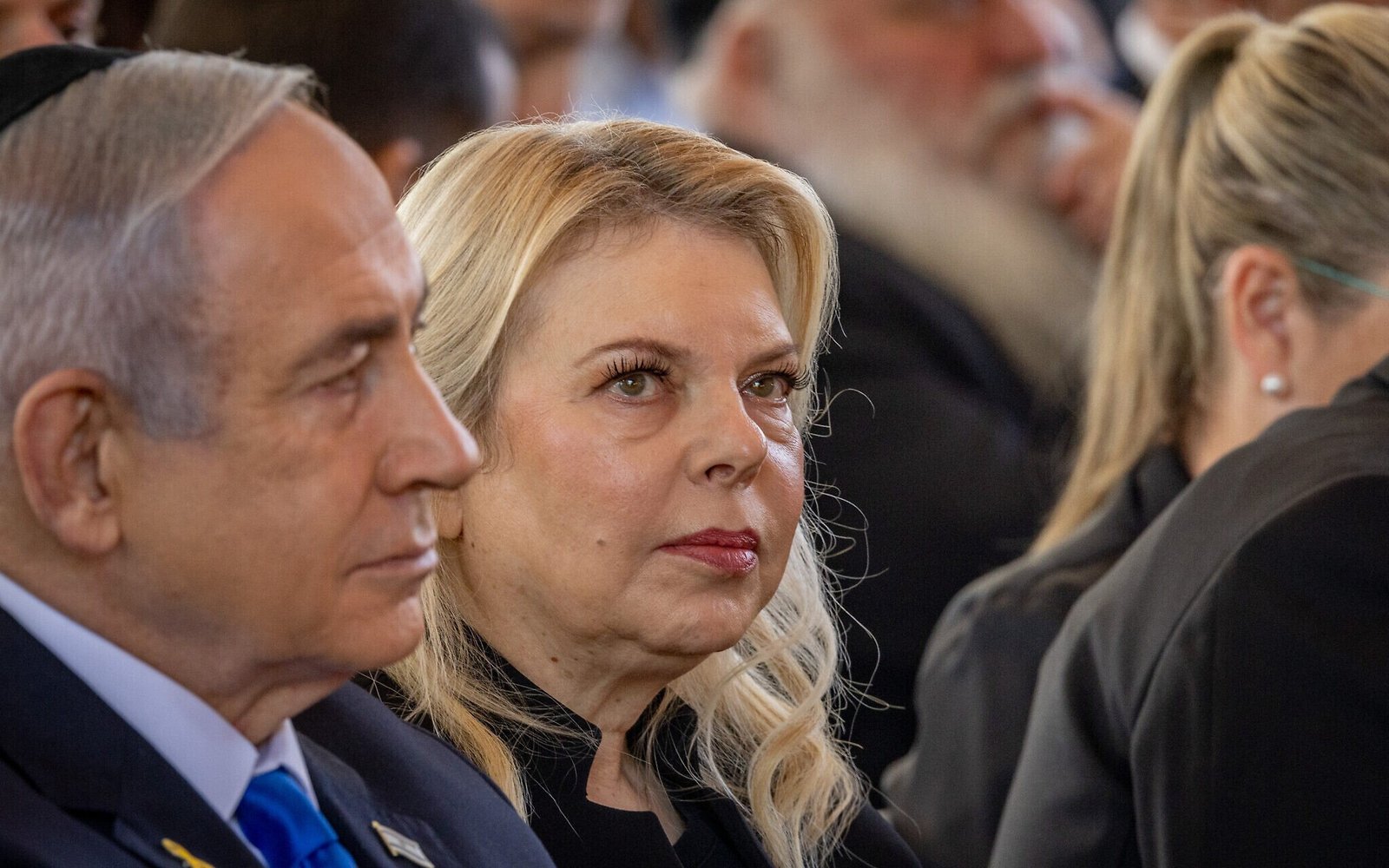
Sara Netanyahu: A Complex Journey Through Public Life, Politics, and Personality
Introduction:
When the name Sara Netanyahu comes up, opinions quickly surface. Some see her as the supportive wife of one of Israel’s most prominent leaders, Benjamin Netanyahu. Others view her as a controversial figure who has repeatedly been at the center of media storms. But who is Sara Netanyahu beyond the headlines?
Understanding her life means peeling back the layers of her upbringing, education, public role, and personal challenges. It also requires examining the way the Israeli and international press has portrayed her over decades. Many times, Sara’s story is told not on her own terms but through the lens of politics, critics, and scandals. Yet, she remains a fascinating and influential figure in Israeli society.
This article takes a deep dive into her journey—her early years, her marriage, her involvement in politics, her controversies, and her lasting impact. By the end, you might find that Sara Netanyahu is much more complex than the simplified caricatures often painted in the news.
Early Life and Family Background
Sara Ben-Artzi, who would later become known worldwide as Sara Netanyahu, was born in 1958 in Kiryat Tiv’on, a small town in northern Israel. She grew up in a home deeply rooted in academia and culture. Her father, Shmuel Ben-Artzi, was a respected educator, poet, and Bible scholar. Her mother, Chava, was also a teacher, reinforcing the family’s dedication to education and intellectual pursuits.
From an early age, Sara’s upbringing emphasized discipline, tradition, and achievement. This environment not only shaped her outlook but also instilled in her a love for literature, psychology, and public service. She was described as an ambitious and curious student who enjoyed diving into complex subjects, always aiming for excellence.
Her family’s intellectual reputation also meant that Sara had an appreciation for public responsibility. Growing up in Israel during turbulent times, she witnessed the challenges her country faced and the importance of leadership. This perspective, no doubt, influenced the role she would later play as the spouse of a political leader.
Education and Professional Aspirations
Sara Netanyahu pursued psychology, a field that fascinated her because of its focus on human behavior, relationships, and the complexity of the human mind. She attended Tel Aviv University, where she completed her bachelor’s degree in psychology. Later, she specialized in child and family therapy, demonstrating her strong interest in mental health and child welfare.
After completing her studies, she worked as an educational psychologist. Her career involved helping students, families, and schools navigate emotional and developmental challenges. This was a role that fit her natural interest in understanding others and providing support, and it allowed her to develop a reputation as a dedicated professional.
Meeting Benjamin Netanyahu and Building a Family
Sara Netanyahu met Benjamin Netanyahu in the late 1980s, during a time when his political career was already on the rise. Their meeting sparked a romance that quickly turned serious. The couple married in 1991, beginning what would become one of the most scrutinized relationships in Israeli public life.
The Netanyahus built a family together, raising two sons, Yair and Avner. Sara took an active role in their upbringing, emphasizing both education and tradition. Despite the pressures of politics, she consistently highlighted the importance of family values and staying grounded. In interviews, she often described herself first and foremost as a mother, a role she considered her most significant.
At the same time, Sara Netanyahu had to adjust to life in the spotlight. Being the spouse of a high-profile politician came with responsibilities, scrutiny, and sacrifices. For Sara, this meant navigating the balance between supporting her husband’s career and maintaining her personal and professional identity.
Role as the Prime Minister’s Wife
Being the spouse of Israel’s prime minister is no ordinary role. It comes with an immense level of public attention and responsibility. Sara Netanyahu embraced some aspects of this position while also struggling with others.
On the supportive side, she frequently appeared alongside her husband at political events, both in Israel and abroad. She became an unofficial ambassador, meeting world leaders and their spouses. In these roles, Sara projected an image of elegance and strength, often representing Israel’s family-oriented side.
However, she also found herself under constant criticism. Unlike some political spouses who remain largely in the background, Sara Netanyahu often made headlines. Sometimes it was for her charitable work or involvement in children’s programs, but often it was due to controversies and allegations surrounding her conduct. This duality—supportive spouse yet controversial figure—has defined much of her public image.
Public Perception: The Love-Hate Relationship
Sara Netanyahu’s reputation in Israel is polarizing. Some Israelis admire her loyalty to her husband and her dedication to her family. Supporters argue that she has been unfairly targeted by the media and political opponents, who amplify any misstep for political gain.
On the other hand, critics accuse her of being domineering, overly involved in her husband’s political decisions, and sometimes abusive toward staff. These allegations have fueled countless headlines, painting her as one of the most controversial spouses in Israeli political history.
This love-hate relationship has kept her in the spotlight for decades. Unlike many political spouses who fade into the background, Sara Netanyahu has remained a central figure in Israeli discourse. Whether viewed as a victim of media bias or as a source of constant scandals, she has become a symbol of how personal lives intersect with political power.
Media Coverage and Controversies
No discussion of Sara Netanyahu is complete without acknowledging the controversies that have surrounded her. Over the years, she has been accused of mistreating household staff, misusing public funds, and exerting undue influence over her husband’s decisions. Some of these accusations led to legal battles, including a high-profile case about the misuse of state funds for catering expenses at the Prime Minister’s Residence.
In 2019, Sara reached a plea deal in which she admitted to misusing public funds and repaid a portion of the money. Although the charges were not as severe as critics had hoped, the case reinforced her image as a controversial figure. The Israeli press extensively covered the trial, and her critics used it as evidence of her lack of accountability.
Yet, it’s important to note that Sara has also fought back against these narratives. She has consistently denied wrongdoing in many instances and often accused the media of orchestrating campaigns against her. To her supporters, Sara’s legal troubles reflect political vendettas rather than genuine misconduct.
Charitable Work and Contributions
Despite the controversies, Sara Netanyahu has also been involved in charitable work, particularly concerning children and families. She has supported organizations that focus on children’s welfare, education, and healthcare. Her background in psychology gave her a natural inclination toward issues that affect young people and families in distress.
For example, she has participated in campaigns against domestic violence and has visited hospitals to encourage children with severe illnesses. These actions often receive less media attention compared to the controversies, but they highlight another side of her personality—one rooted in empathy and care.
Charitable contributions, however, have often been overshadowed by the scandals. Still, those who know her personally describe her as genuinely passionate about helping others, especially children. This aspect of her work adds a layer of complexity to her public image.
Sara’s Influence on Benjamin Netanyahu
While Benjamin Netanyahu is unquestionably one of Israel’s most powerful political figures, many believe Sara has had significant influence over his decisions and strategies. Reports from political insiders and journalists suggest that Sara is not just a bystander but an active participant in discussions about policy and political tactics.
Her critics argue that her influence has sometimes been harmful, portraying her as overly controlling and temperamental. In contrast, supporters see her as a trusted confidante whose advice has helped her husband navigate Israel’s complex political landscape.
This influence, real or perceived, has fueled endless speculation. Is Sara Netanyahu simply a supportive spouse, or is she a behind-the-scenes political operator? The truth probably lies somewhere in between, but it is undeniable that she has been more politically active than many spouses in similar positions worldwide.
The Psychology Behind Sara Netanyahu
Given her background as a psychologist, one cannot ignore the irony of how Sara’s own behavior has been analyzed by the media and the public. Journalists and commentators frequently speculate about her personality traits, temper, and motivations.
Some see her as fiercely protective of her family, willing to confront anyone who threatens them. Others interpret her behavior as evidence of insecurity or a need for control. Regardless of which view one takes, her psychology has become a topic of fascination in Israel.
Sara herself has spoken about her struggles with media scrutiny, describing the toll it has taken on her mental and emotional well-being. Living in the public eye for decades can be exhausting, and in her case, the pressures of politics, controversy, and constant judgment have been magnified to an extraordinary degree.
International Recognition and Encounters
As the wife of Israel’s prime minister, Sara has interacted with numerous world leaders and their families. She has attended state visits, international conferences, and cultural events, representing Israel on a global stage. These appearances have allowed her to project a polished and sophisticated image to the international community.
For instance, she has met with first ladies from countries like the United States, France, and Germany, often engaging in discussions about family, education, and cultural cooperation. Such meetings have provided her with opportunities to showcase her interpersonal skills and contribute to soft diplomacy.
Yet, even in these international settings, controversies often followed her. Media outlets sometimes focused less on her contributions and more on her demeanor or alleged tensions with staff and officials. This further demonstrates the challenge she has faced in balancing her roles as both a supportive spouse and an individual constantly scrutinized in public life.
Legal Battles and Public Scrutiny
Throughout her time in the public eye, Sara Netanyahu has been the subject of multiple legal disputes. The most significant cases involved allegations of misuse of public funds and mistreatment of staff at the Prime Minister’s Residence. These legal battles attracted widespread attention, both in Israel and internationally.
The catering expenses case in particular became symbolic of the broader criticisms against her and her husband. Although the outcome was not as severe as some anticipated, the trial underscored the deep divisions within Israeli society over the Netanyahu family. Supporters saw the case as politically motivated, while critics viewed it as validation of longstanding concerns about entitlement and misconduct.
Despite these challenges, Sara has remained resilient. She continues to stand firmly by her husband, often appearing alongside him during times of political crisis. For better or worse, she has proven herself to be a central and unshakable figure in his political life.
Sara Netanyahu’s Legacy and Impact
So, what will history say about Sara Netanyahu? That question is still open, but her legacy is already shaping up to be one of complexity and contradiction. On one hand, she is a devoted wife, mother, and professional who has contributed to children’s welfare initiatives. On the other hand, she is a lightning rod for controversy, criticized for her behavior and legal troubles.
Her story reflects the broader reality of political life in Israel—intense, personal, and often unforgiving. Whether one admires her resilience or disapproves of her conduct, Sara has left a mark on Israeli politics that cannot be ignored. She symbolizes both the sacrifices and the pitfalls of being closely tied to political power.
In the end, Sara Netanyahu may be remembered as one of the most polarizing figures in Israeli political history. Her journey highlights the blurred lines between personal and public life, between family loyalty and political ambition, and between perception and reality.
Conclusion: The Many Faces of Sara Netanyahu
Sara Netanyahu is not an easy person to define. She is at once a wife, mother, professional, public figure, and subject of controversy. Her life story intertwines personal ambition with political power, and her impact—both positive and negative—has been deeply felt in Israeli society.
To some, she is a victim of relentless media attacks. To others, she embodies the problems of privilege and entitlement. But beyond these polarized views, she remains a complex individual whose journey tells us much about the nature of public life, the role of women in politics, and the costs of living under constant scrutiny.
Her story is still unfolding, and as long as Benjamin Netanyahu remains a towering figure in Israeli politics, Sara will remain in the spotlight as well. Whether admired or criticized, she has already secured her place in the narrative of Israel’s modern political history.


