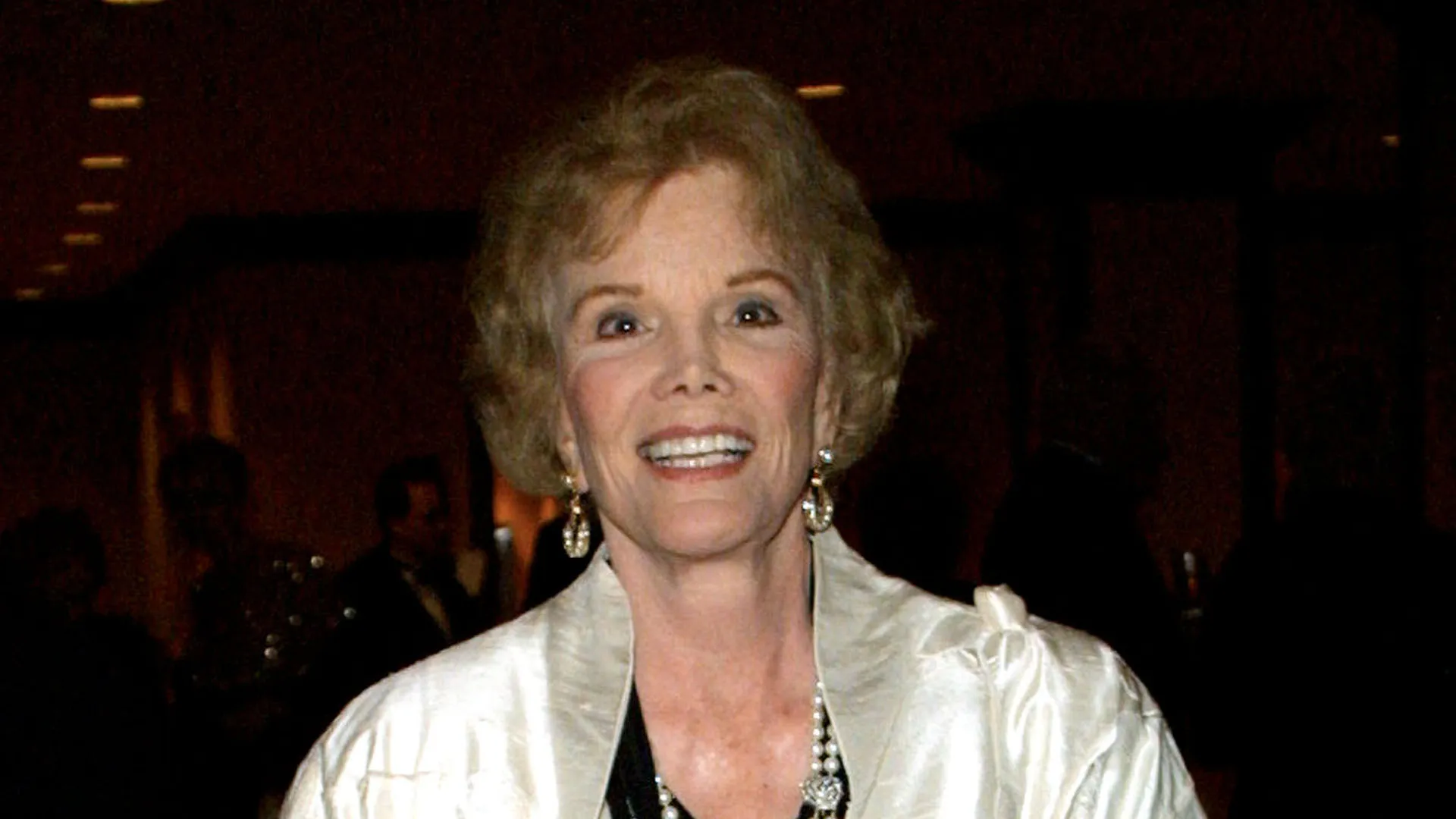
Nanette Fabray: The Bright Star Who Danced, Sang, and Spoke for Change
Have you ever wondered what it takes to become a true Hollywood legend—one who not only entertains but also transforms the industry? Nanette Fabray was one of those rare gems. She wasn’t just an actress, dancer, or singer; she was a force of nature whose influence stretched across Broadway, film, and television. Her journey is a story of courage, humor, and immense talent that still inspires performers today.
Let’s dive deep into the fascinating life and legacy of Nanette Fabray, exploring her rise to fame, her challenges, her advocacy for the deaf community, and how she remains a timeless example of resilience and artistry.
Early Life: The Making of a Star
Born on October 27, 1920, in San Diego, California, Ruby Bernadette Nanette Fabares (later known professionally as Nanette Fabray) had show business in her blood. From an early age, she displayed a spark that couldn’t be ignored. Her mother, determined to see her daughter shine, supported her interest in music and performance, enrolling her in dance and singing lessons.
Nanette’s early years weren’t all glitz and glamor. Growing up during the Great Depression meant her family had to work hard to make ends meet. Yet, even in difficult times, Nanette’s passion for the arts never faded. She performed at local events and talent shows, where her charisma on stage quickly caught people’s attention. She wasn’t just another young girl with dreams; she was destined for something extraordinary.
By her teens, she had already begun appearing in films, and although these were small roles, they served as stepping stones for a remarkable career. Her undeniable charm, paired with natural comedic timing, would soon become her signature in Hollywood and beyond.
From Broadway to Hollywood: Building a Versatile Career
Nanette Fabray’s career really began to take shape in the 1940s when she stepped onto Broadway—the epicenter of live entertainment. Her stage presence was magnetic. Audiences adored her energy, and critics praised her ability to command attention with grace and humor.
Her breakout role came in the Broadway musical High Button Shoes (1947), where her combination of dance and comedic talent earned rave reviews. But it was her performance in Love Life and later Arms and the Girl that truly established her as one of Broadway’s rising stars. She had that rare ability to make people laugh, cry, and think—all in one performance.
Eventually, Hollywood came knocking. In 1953, Fabray starred alongside Fred Astaire in the movie The Band Wagon, one of MGM’s most beloved musicals. Playing the role of playwright Lily Marton, she showcased her humor and dance skills next to one of the world’s greatest performers. Her comedic chemistry with Astaire was natural and delightful, cementing her status as a star who could effortlessly move between stage and screen.
Television Stardom: The Golden Age of Comedy
While many stage actors struggled to adapt to television, Nanette Fabray embraced it wholeheartedly. The 1950s was a golden era for TV comedy, and Fabray was right in the middle of it. Her appearances on Caesar’s Hour alongside Sid Caesar turned her into a household name.
Her work on Caesar’s Hour was groundbreaking. In an era when women often played secondary roles, Fabray held her own in sketches filled with fast-paced humor and physical comedy. She won three Emmy Awards for her performances, proving she wasn’t just a pretty face—she was a powerhouse talent.
After her time with Sid Caesar, Nanette went on to headline The Nanette Fabray Show, a sitcom that reflected her real-life charm and quick wit. Later, she made numerous guest appearances on shows like The Carol Burnett Show, One Day at a Time, and Coach. No matter the role, she brought warmth and authenticity to every performance, earning respect from both peers and audiences alike.
Overcoming Adversity: Triumph Over Hearing Loss
What made Nanette Fabray’s story even more inspiring was her lifelong battle with hearing loss. For years, she struggled with partial deafness, which often made performing difficult. Yet, she never let it define her or hold her back.
At a time when discussing disabilities was considered taboo, Fabray openly shared her experiences with hearing impairment. Her courage to speak about it publicly helped countless others who faced similar challenges. She became an outspoken advocate for the deaf and hard-of-hearing community, working tirelessly to promote awareness and accessibility in entertainment and education.
Her efforts didn’t go unnoticed. Fabray was awarded the Eleanor Roosevelt Humanitarian Award for her advocacy and contributions to the community. Through her resilience, she showed the world that talent and determination could overcome any obstacle—and that disabilities didn’t diminish one’s brilliance.
Personal Life and Family: Love and Legacy
Beyond the stage lights and applause, Nanette Fabray led a fulfilling personal life. She married screenwriter Ranald MacDougall in 1957, and the two shared a loving partnership that lasted until his death in 1973. Together, they had one son, Jamie MacDougall, who later became a television executive.
Her family life reflected the same values she held dear in her career—honesty, dedication, and humor. Those who knew her often described her as kind-hearted and down-to-earth, someone who never forgot her roots despite her fame. She was a devoted mother and grandmother, always balancing her professional achievements with her family responsibilities.
Even as she grew older, Fabray remained active in her community, mentoring younger performers and continuing her advocacy work. Her compassion and commitment to helping others became as much a part of her legacy as her acting and singing.
Advocacy for the Deaf and Disabled Community
One of the most powerful aspects of Nanette Fabray’s life was her role as an advocate for the deaf and disabled community. She didn’t just speak about her struggles—she worked to change the system.
Fabray collaborated with organizations such as the National Council on Disability and Gallaudet University to promote better communication access and educational opportunities for those with hearing impairments. She also played a key role in the passage of legislation supporting captioning for television programs, making entertainment more inclusive for millions.
Her activism helped break down barriers in Hollywood and beyond. At a time when representation was limited, Nanette became a beacon of hope for those who felt unseen. Her advocacy laid the groundwork for future generations of actors, creators, and audiences who could finally experience entertainment without limitations.
Later Career and Continued Influence
Nanette Fabray continued performing well into her later years, never losing her spark or passion for the craft. In the 1970s and 1980s, she appeared in popular television series such as One Day at a Time and Coach, where she often played wise, loving motherly roles that showcased her warmth and comedic touch.
Her performances resonated with audiences because they felt genuine. Even as Hollywood changed and new stars emerged, Fabray remained relevant—her humor timeless and her presence comforting. Younger generations of actors admired her professionalism and dedication, often citing her as a role model for balancing artistry and authenticity.
By the time she retired, Nanette Fabray had spent over seven decades in entertainment. Her versatility and resilience made her one of the most respected figures in American performing arts. When she passed away in 2018 at the age of 97, tributes poured in from all corners of the entertainment world, honoring her as a pioneer who blazed trails with both talent and heart.
Awards and Recognition: A Life of Achievements
Over the course of her illustrious career, Nanette Fabray collected numerous awards and honors that reflected her talent and humanitarian spirit.
Her three Emmy Awards for Caesar’s Hour highlighted her comedic genius and timing. She also received a Tony Award for her Broadway performance in Love Life, proving her ability to master multiple mediums. Additionally, she earned a star on the Hollywood Walk of Fame—a permanent reminder of her lasting contributions to entertainment.
But perhaps the most meaningful recognition came from her advocacy work. Beyond trophies and accolades, Fabray’s true reward was seeing lives improved through her efforts to make entertainment accessible for all. Her work in promoting closed captioning and supporting the deaf community changed how media was consumed forever, ensuring that no one would be left out of the joy of storytelling.
Nanette Fabray’s Legacy in Modern Entertainment
Today, Nanette Fabray’s influence can still be felt across television, film, and theater. Modern comedians, musical performers, and advocates for inclusion all owe something to the paths she helped carve.
Her comedic style—rooted in authenticity and intelligence—continues to inspire performers who value storytelling over spectacle. Meanwhile, her advocacy for accessibility has become a standard expectation in media production, reflecting the very changes she once fought for.
Even beyond the industry, Fabray’s story serves as a reminder of resilience. She showed that success isn’t about perfection—it’s about perseverance, passion, and the courage to be vulnerable. Her openness about her hearing loss transformed public perception and encouraged countless others to embrace their challenges with confidence.
Why Nanette Fabray Still Matters Today
In an age of fleeting fame and viral moments, Nanette Fabray’s story stands as a testament to lasting impact. Her career wasn’t built overnight—it was shaped by hard work, compassion, and a genuine love for performing.
She bridged the gap between the classic Hollywood era and the modern entertainment world, leaving behind lessons that remain relevant today. Artists can learn from her discipline, advocates can draw inspiration from her activism, and audiences can appreciate the joy and humor she brought to every role.
Most importantly, Fabray taught us that true greatness isn’t measured only by fame, but by how one uses that platform to uplift others. Her life reminds us that empathy and creativity can coexist beautifully, creating change that lasts generations.
Conclusion: Celebrating a Life of Art, Advocacy, and Authenticity
Nanette Fabray’s journey was one of brilliance and bravery. She was a woman who refused to be defined by limitations, choosing instead to use them as stepping stones toward greatness. From dazzling audiences on Broadway to breaking barriers in Hollywood and championing accessibility for all, she lived with purpose and passion.
Her laughter, her songs, and her advocacy continue to echo in the hearts of those who love performance and equality. She wasn’t just a star—she was a teacher, a pioneer, and a reminder of what it means to use one’s gifts for good.
As the world continues to evolve, Nanette Fabray’s story remains a shining example of what happens when talent meets heart. Her life invites us all to keep pushing forward, keep creating, and above all, to never stop believing in the power of resilience.
