Mary Fowler: The Rising Star of Women’s Football
Introduction:
When we think of football prodigies, our minds often drift toward legendary players who shaped the sport. Yet in recent years, a new name has been making waves across the global stage: Mary Fowler. At such a young age, she has already managed to grab headlines, win over fans, and inspire a new generation of aspiring footballers. But what makes her stand out from the rest?
Mary Fowler’s journey is not just about talent—it’s about resilience, determination, and her unique ability to combine skill with intelligence on the pitch. Her story is still being written, but the chapters so far give us plenty to talk about. From her early beginnings in Australia to becoming one of the most promising talents in international women’s football, Fowler has proven she’s much more than a rising star—she’s on her way to becoming a household name.
This article dives deep into Mary Fowler’s life, career, playing style, challenges, and the impact she’s already having on women’s football worldwide. Whether you’re a die-hard fan or just curious about the buzz, you’ll walk away knowing why Mary Fowler is such a big deal in modern football.
Early Life and Background
Every great athlete’s story begins somewhere, and for Mary Fowler, that beginning was rooted in a family and culture that celebrated diversity and ambition. Born on February 14, 2003, in Cairns, Queensland, Fowler grew up in a household where sports were more than just a hobby. Her father, Kevin Fowler, is Irish, while her mother, Nido, is from Papua New Guinea, making Mary’s upbringing a unique blend of cultures and traditions.
Her multicultural background gave her a rich identity, something that influences her personality both on and off the pitch. Unlike many players who are drawn into football by chance, Fowler grew up surrounded by the sport, with several of her siblings also excelling in athletics. In fact, her sister, Ciara Fowler, also plays football professionally, which shows that the Fowler household was always full of energy, training, and competition.
From a very young age, Mary showed an extraordinary passion for the game. By the time she was just a child, she was already kicking around with boys who were older and stronger than her. This not only sharpened her technical skills but also toughened her mentality. Her parents quickly realized she wasn’t just talented—she was exceptional.
The First Steps in Football
Mary’s first taste of competitive football came when she played for local youth teams in Cairns. Unlike many who struggled to find opportunities, Fowler had the backing of her family and coaches who recognized her talent early on. Even in her teenage years, her ability to control the ball, make intelligent runs, and score goals set her apart.
At just 15, Mary Fowler got her first call-up to the Australian women’s national football team, the Matildas. To put that in perspective, most players her age were still figuring out high school, while Fowler was representing her country on the international stage. That moment marked the beginning of her professional journey and showed the world she was no ordinary player.
But Fowler’s rise wasn’t without challenges. Being thrust into the spotlight at such a young age brought immense pressure. She had to balance school, family, and the demands of professional football. Many would have crumbled under the weight of those expectations, but Fowler handled it with maturity beyond her years.
Professional Breakthrough and International Stage
The turning point in Fowler’s career came when she started getting noticed by major clubs in Europe. In 2020, she signed with Montpellier HSC, a French club known for developing young talents. This move was crucial because it gave her the chance to compete against some of the best players in the world.
In France, Fowler quickly proved her worth. She wasn’t just another young prospect; she was a player who could deliver under pressure. Her versatility on the pitch—able to play as a forward, attacking midfielder, or winger—made her a valuable asset. Fans and coaches alike were impressed by her composure, especially considering her age.
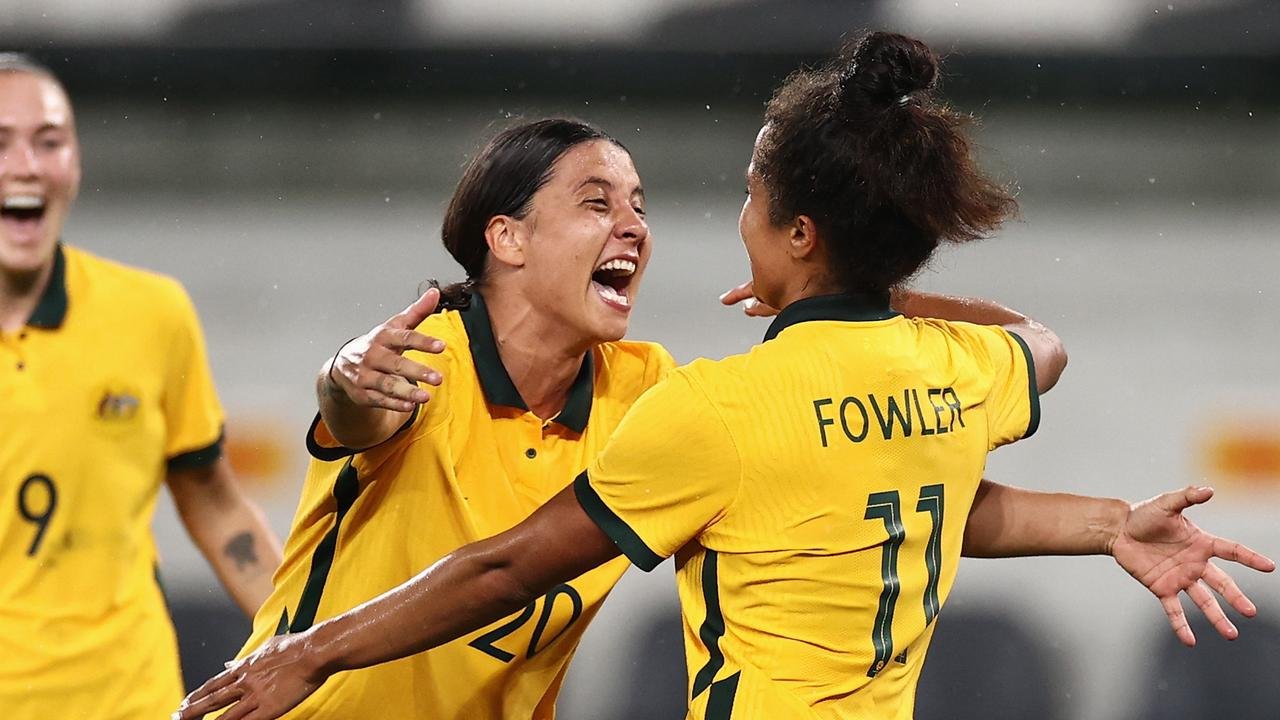
Internationally, Fowler cemented her reputation during tournaments with the Australian national team. Representing the Matildas, she showed she could perform at the highest level. Her appearances in tournaments like the FIFA Women’s World Cup and the Olympics brought her global recognition. Analysts praised her creativity, quick decision-making, and knack for scoring crucial goals.
Playing Style: What Makes Mary Fowler Special?
Football is a game of individuality within teamwork, and Mary Fowler embodies this balance perfectly. Her playing style is often described as elegant yet effective, with a mixture of technical brilliance and tactical awareness.
First, let’s talk about her ball control. Fowler has an exceptional first touch, which allows her to maneuver in tight spaces and maintain possession even under pressure. This skill alone makes her stand out because, in modern football, controlling the ball efficiently often sets apart good players from great ones.
Second, her vision is remarkable. Mary Fowler isn’t just about scoring goals; she’s about creating opportunities for her teammates. Her passing accuracy and ability to anticipate movements make her an excellent playmaker. Many compare her style to some of the great midfielders in both men’s and women’s football.
Finally, her composure in front of goal is something to admire. While young players often rush or panic in high-stakes situations, Fowler remains calm. She takes her time, reads the goalkeeper, and executes with precision. This trait, combined with her versatility, means she can adapt to different roles on the pitch seamlessly.
Challenges and Setbacks
No athlete’s journey is without setbacks, and Mary Fowler has faced her fair share. From injuries to the mental pressures of being in the spotlight, she has had to overcome obstacles that test not just physical strength but emotional resilience.
One major challenge has been balancing her rapid career growth with personal development. Entering the professional world at such a young age meant she had to mature quickly, sometimes missing out on a “normal” teenage life. The sacrifices were huge—friends, family time, and even education had to take a backseat to football.
Another hurdle has been the expectations placed upon her. Being labeled as the “next big thing” in women’s football can be flattering, but it also brings enormous pressure. Mary Fowler has had to constantly prove herself, showing fans, coaches, and critics that she deserves the hype. That kind of responsibility could easily weigh anyone down, but Fowler has shown incredible resilience.
Mary Fowler at Manchester City
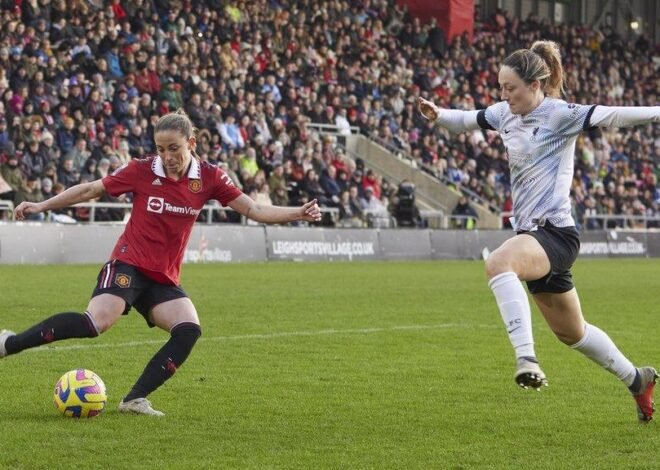
In 2022, Mary Fowler made another big move in her career by signing with Manchester City, one of the biggest clubs in women’s football. This step was significant not just for her career but also for Australian football, as it showed how far the nation’s talent pool had come.
At City, Fowler has had access to world-class facilities, coaching staff, and teammates. Playing alongside some of the best players in the world has pushed her to elevate her game further. While adjusting to the highly competitive environment of the Women’s Super League wasn’t easy, Fowler has steadily made her mark.
The move to Manchester City also expanded her global fanbase. With the WSL’s growing popularity, Mary Fowler performances reached more eyes than ever before. She has since become a symbol of ambition and success for young girls worldwide who dream of playing professional football.
Impact on Women’s Football in Australia
Back home, Mary Fowler’s influence goes beyond her individual achievements. She represents hope, progress, and inspiration for women’s football in Australia. The Matildas have long been a source of national pride, and with players like Fowler, they’ve captured the imagination of the younger generation.
Her success story highlights the importance of nurturing talent from a young age. Fowler’s journey has encouraged more investment in grassroots football programs across Australia. Communities are now realizing the value of providing resources and opportunities for young girls to pursue the sport seriously.
Mary Fowler popularity has also contributed to the growing visibility of women’s football in mainstream media. Every goal, assist, or standout performance brings more attention to the Matildas and, by extension, women’s sports in Australia.
The Role Model Factor
Athletes often become more than just players; they become role models. For Mary Fowler, this responsibility has come naturally. Her humility, professionalism, and determination make her someone young athletes can look up to.
Unlike some stars who shy away from the spotlight, Fowler embraces her role as an ambassador for the sport. She frequently engages with fans, participates in interviews, and uses her platform to promote women’s football. This connection makes her relatable and further strengthens her influence.
Being a role model also means breaking stereotypes. Mary Fowler challenges outdated notions about women in sports, proving that female athletes can thrive on the global stage. Her success story is a testament to the fact that gender should never be a barrier to achieving greatness.
Life Off the Pitch
While Mary Fowler is known for her football skills, she is also a person with interests, values, and a life outside the sport. Off the pitch, she is described as down-to-earth, family-oriented, and passionate about giving back.
Her multicultural roots play a big role in her identity. Fowler often speaks proudly about her Papua New Guinean and Irish heritage, embracing the diversity that has shaped her life. This connection to her background gives her a grounded perspective, reminding her of the importance of community and culture.
In interviews, Mary Fowler has also shared her love for simple pleasures, whether it’s spending time with family, relaxing at home, or engaging in creative hobbies. This balance between her professional and personal life is crucial for maintaining her mental health and overall well-being.
Future Potential and Legacy
At just 22 years old, Mary Fowler’s career is only beginning. Yet the potential she has shown already hints at a legendary future. Analysts predict she could become one of the defining figures in women’s football over the next decade.
Her development at Manchester City, coupled with her international experience with the Matildas, will continue to shape her into a complete player. If she maintains her trajectory, Fowler could not only lead Australia to historic victories but also inspire changes in how women’s football is perceived globally.
Her legacy will not just be about goals and trophies. It will be about the doors she opened, the young girls she inspired, and the global recognition she brought to Australian football.
Conclusion: Why Mary Fowler Matters
Mary Fowler isn’t just another name on the team sheet. She represents the future of women’s football—a blend of skill, resilience, and inspiration. Her journey from Cairns to the world stage is a reminder that talent, when nurtured with dedication and support, can achieve extraordinary things.
Whether she’s scoring goals for Manchester City, representing the Matildas, or inspiring the next generation of footballers, Fowler is leaving her mark. And the best part? She’s only getting started.
In a sport that continues to grow in popularity and recognition, Mary Fowler stands as a beacon of what’s possible. For fans, teammates, and aspiring athletes, she is proof that dreams are worth chasing, no matter how big they seem.