Label Material Types: A Complete Guide for Businesses and Designers
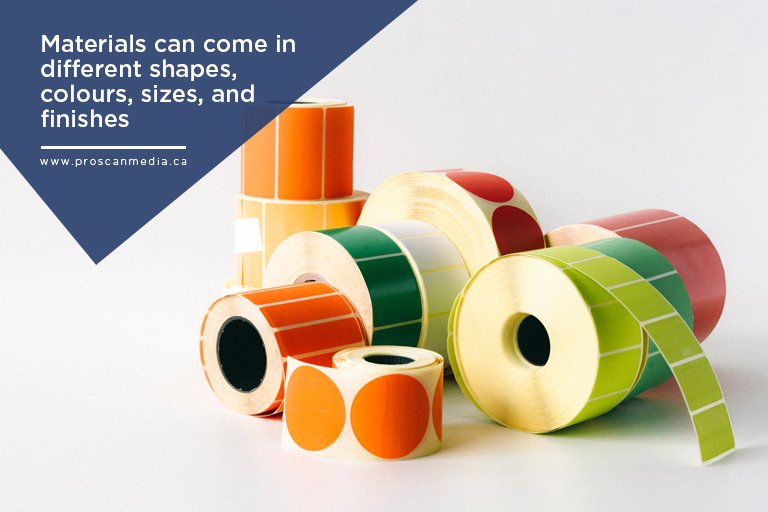
Labels are more than just pieces of paper or stickers; they are the silent storytellers of a product. From conveying important information to boosting brand identity, labels play a critical role in product presentation. Choosing the right label material is crucial because it affects durability, print quality, adhesion, and overall consumer perception. But with so many options available, how do you determine which label material type fits your needs best?
In this guide, we will explore the most common label material types, their applications, advantages, and limitations. Whether you are in retail, manufacturing, or logistics, this comprehensive article will help you make an informed choice.
Paper Labels: The Classic Choice
Paper label material types are perhaps the most traditional and widely used label material. They are cost-effective, versatile, and compatible with most printing methods.
Paper labels are ideal for short-term applications where exposure to moisture or abrasion is minimal. They are perfect for items like retail products, shipping packages, and food packaging that will not encounter harsh environments. The variety of paper finishes—including matte, gloss, and semi-gloss—offers designers flexibility in aesthetics.
However, paper label material types do have limitations. They are not waterproof or tear-resistant, which makes them unsuitable for outdoor use or products stored in humid conditions. Nonetheless, for businesses on a budget or products with a limited shelf life, paper labels remain a reliable choice.
Synthetic Labels: Durability Meets Style
Synthetic label material types, made from materials like polypropylene, polyester, and vinyl, are engineered for durability. They offer superior resistance to water, chemicals, UV light, and abrasion, making them suitable for products exposed to challenging conditions.
Polypropylene labels are lightweight, flexible, and resistant to tearing, making them ideal for food packaging, cosmetics, and household products. Polyester labels, on the other hand, provide excellent resistance to heat and chemicals, making them suitable for industrial and automotive applications. Vinyl labels are extremely versatile and can withstand outdoor exposure, making them perfect for outdoor signage and equipment labeling.
While synthetic labels are more expensive than paper, their longevity and resilience often justify the cost. Brands that prioritize product protection and professional presentation often opt for synthetic materials.
Clear and Transparent Labels: The Invisible Touch
Transparent label material types have gained popularity for their “no-label” look, allowing the product itself to shine while the branding and information appear elegantly on the surface. These labels are typically made from clear polypropylene or polyester films.
Clear labels are ideal for packaging that needs to showcase the product, such as beverages, cosmetics, or premium goods. They provide a sleek, modern appearance that attracts consumers’ attention. Additionally, transparent labels can be used with both digital and flexographic printing methods, providing high-quality visuals and sharp text.
The main challenge with clear labels is that they can be less forgiving with surface imperfections. They require precise printing and careful handling during application. Nonetheless, when executed correctly, clear labels offer a professional and visually appealing solution.
Thermal Transfer Labels: Perfect for Barcodes and Tracking
Thermal transfer label material types are widely used in logistics, retail, and healthcare industries due to their ability to produce high-resolution images and text that withstand wear and tear. These labels require a thermal transfer printer, which uses heat to transfer ink from a ribbon to the label material.
One of the biggest advantages of thermal transfer labels is durability. They are resistant to smudging, fading, and chemicals, making them ideal for barcode labels, shipping labels, and asset tracking. Thermal transfer labels are available in both paper and synthetic materials, allowing businesses to choose based on their specific needs.
The main consideration for thermal transfer labels is equipment cost. While they require specialized printers, the quality and longevity of the labels often outweigh the initial investment. For businesses dealing with inventory management or compliance labeling, thermal transfer labels are a smart choice.
Direct Thermal Labels: Simplicity and Efficiency
Direct thermal labels are different from thermal transfer labels in that they do not require a ribbon. The printing process uses heat-sensitive paper that darkens when exposed to the printer’s thermal head.
These labels are ideal for short-term applications like shipping labels, receipts, or event tickets. They are cost-effective and easy to use since there is no need to replace ribbons. Direct thermal labels also provide clear and legible prints, which are essential for barcodes and QR codes.
However, direct thermal labels have limitations. They are sensitive to heat, light, and friction, which means they can fade over time if exposed to harsh conditions. Therefore, they are best suited for labels with a short lifespan or items that will not be exposed to extreme environments.
Weatherproof Labels: Built to Last
Some products require label material types that withstand extreme conditions, including moisture, chemicals, and sunlight. Weatherproof labels are designed with these challenges in mind. Materials like laminated synthetic films, polyester, and vinyl are common choices.
These labels are popular in industries like automotive, manufacturing, and outdoor equipment. They can endure harsh weather, resist fading from UV exposure, and remain legible even when exposed to chemicals or abrasions. Laminated labels, which involve an extra protective coating, provide an added layer of durability and a glossy finish that enhances the appearance.
While weatherproof labels are more expensive, their ability to maintain readability and aesthetics under tough conditions makes them invaluable for long-term product labeling.
Adhesive Types: Beyond the Material
Choosing the right label material types is only half the equation; the adhesive also plays a crucial role. Adhesives vary from permanent to removable, each suited for different applications.
Permanent adhesives create a strong bond, making it difficult to remove the label without damaging it. They are ideal for product packaging and regulatory labels. Removable adhesives, on the other hand, allow labels to be peeled off cleanly, which is perfect for temporary promotions or reusable packaging.
Specialty adhesives are available for specific challenges, such as high-temperature applications, freezer conditions, or oily surfaces. Understanding adhesive types ensures that your label remains securely attached and functional throughout its intended lifespan.
Specialty Label Materials: Beyond the Basics
Beyond standard paper and synthetic options, specialty label material types cater to niche applications. Some examples include foil labels, fabric labels, and magnetic labels.
Foil labels provide a metallic finish that adds a luxurious touch to premium products like wine bottles or cosmetics. Fabric labels, often used in apparel, offer flexibility and comfort while maintaining durability through multiple washes. Magnetic labels provide versatility in industrial or retail settings, allowing items to be repositioned without adhesive residue.
These specialty label material types often command higher costs but can significantly elevate product branding and functionality. They allow businesses to create a unique and memorable experience for consumers.
Eco-Friendly Labels: Sustainability Matters
Sustainability has become a crucial consideration for brands and consumers alike. Eco-friendly labels use recycled label material types, biodegradable films, or water-based adhesives to reduce environmental impact.
Paper labels made from post-consumer waste or FSC-certified forests provide a responsible option for eco-conscious brands. Biodegradable synthetic labels break down naturally, making them suitable for packaging that needs to meet sustainability goals without compromising durability.
Eco-friendly label material types not only help the environment but also strengthen brand reputation. Consumers increasingly prefer products that align with their values, and choosing sustainable label materials can create a positive perception and loyalty.
Choosing the Right Label Material: Factors to Consider
Selecting the right label material types requires careful evaluation of multiple factors. These include product type, environment, printing method, budget, and brand positioning.
For example, a premium cosmetic brand might choose clear polypropylene labels with a glossy finish, while a shipping company may prioritize direct thermal labels for efficiency and readability. Industrial products exposed to chemicals may require laminated polyester labels, while eco-conscious brands might opt for recycled paper or biodegradable materials.
By balancing durability, aesthetics, cost, and functionality, businesses can select label materials that meet both operational needs and consumer expectations.
Printing Methods and Label Compatibility
Different label material types are compatible with different printing technologies, including digital, flexographic, offset, thermal transfer, and screen printing. Understanding the compatibility ensures high-quality prints and reduces errors during production.
Digital printing is ideal for short runs and variable data, making it popular for personalized labels. Flexographic printing is suitable for high-volume production and can print on various substrates. Thermal transfer printing excels in producing durable barcodes and product identification labels.
By matching label materials with appropriate printing methods, businesses can optimize production efficiency while achieving the desired visual and functional results.
Common Mistakes When Selecting Label Materials
Despite the importance of label material types, many businesses make common mistakes. Choosing paper labels for outdoor use, underestimating adhesive strength, or ignoring environmental factors can lead to product damage, faded prints, or customer dissatisfaction.
Another mistake is prioritizing aesthetics over durability. While a shiny, clear label may look great initially, it may not withstand shipping, handling, or exposure to moisture. Considering both form and function ensures labels meet expectations throughout the product lifecycle.
Conducting tests and consulting label material types suppliers can help prevent costly mistakes and identify the best label material for your specific application.
Innovations in Label Materials
The labeling industry continues to evolve, driven by technological innovations and consumer demand for convenience and sustainability. Smart label material types, RFID-enabled materials, and peel-and-reseal designs are changing the way labels function.
RFID labels integrate tracking technology, providing inventory management and anti-theft solutions. Peel-and-reseal labels offer convenience for resealable packaging, while smart labels with QR codes or augmented reality elements enhance consumer interaction.
These innovations expand the potential of label material types, offering not just identification but also interactivity, convenience, and improved brand experience.
Conclusion: Making an Informed Choice
label material types are a critical component of product presentation, protection, and branding. From traditional paper to advanced synthetic films, clear labels, and eco-friendly options, each material offers unique benefits and limitations.
By understanding material types, adhesives, printing compatibility, and environmental factors, businesses can choose labels that not only serve their functional purpose but also enhance brand perception. Labels are not just informational—they are a reflection of quality, professionalism, and attention to detail.
Making informed decisions about label materials ensures your products stand out on shelves, survive handling and environmental stress, and communicate your brand effectively to consumers.