Craig Ferguson: Biography, Career, Comedy, Personal Life, and Lasting Legacy
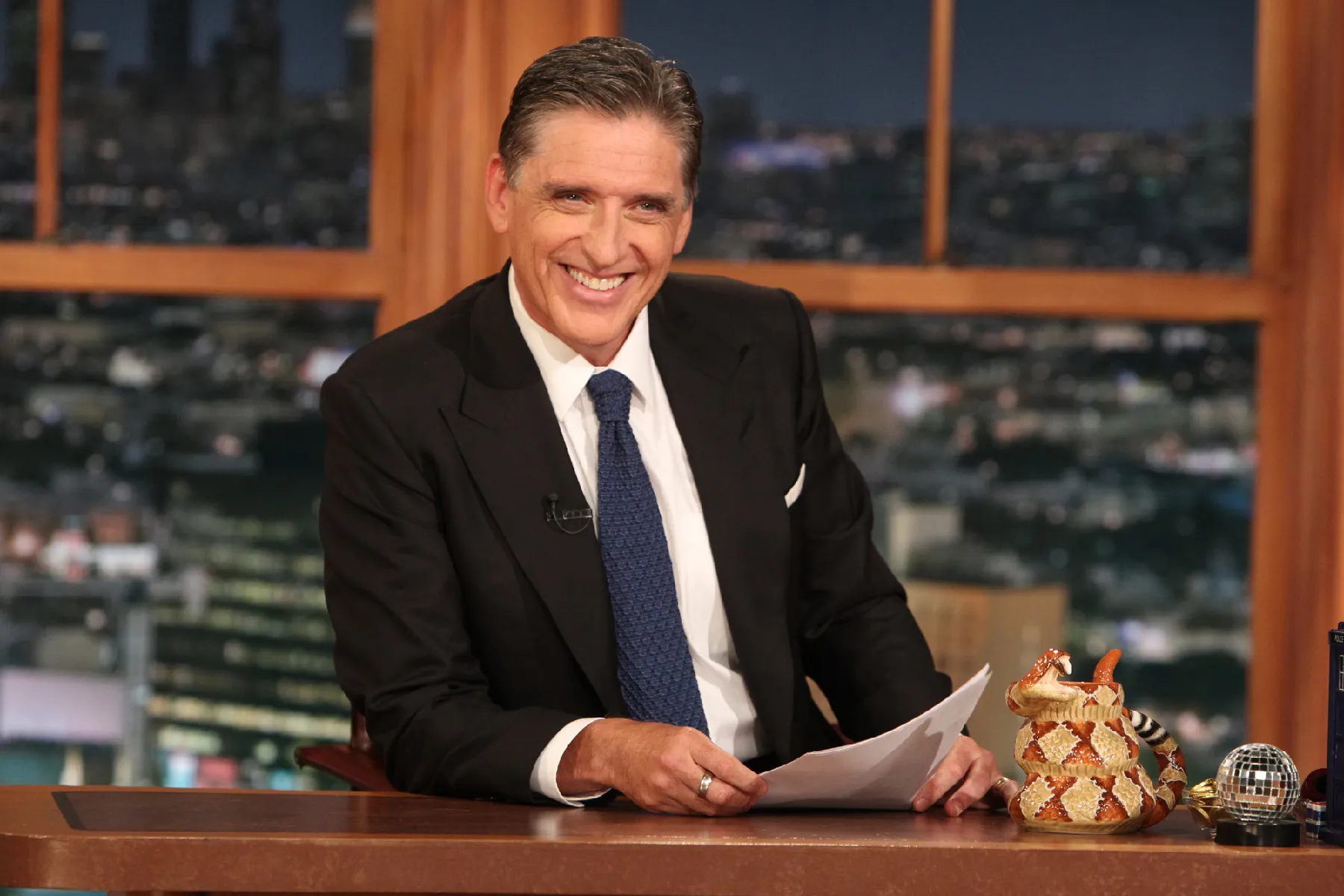
Craig Ferguson is a Scottish-American comedian, actor, television host, writer, and producer who has built an impressive career through his unique personality and remarkable sense of humor. Best known for hosting The Late Late Show with Craig Ferguson, he became one of the most recognizable faces in American late-night television. His relaxed interviewing style, unexpected jokes, creative comedy sketches, and ability to connect with guests helped him develop a loyal international audience.
Unlike many traditional television personalities, Ferguson never depended entirely on scripted jokes or predictable conversations. Instead, he developed a distinctive approach that combined storytelling, improvisation, sarcasm, and genuine curiosity. His career also extends beyond television, including stand-up comedy, acting, filmmaking, voice acting, and writing.
From his early experiences in Scotland to his success in Hollywood, Craig Ferguson has followed an interesting professional journey. His story demonstrates how creativity, determination, and the willingness to take risks can open unexpected opportunities.
Who Is Craig Ferguson?
Craig Ferguson is a Scottish-born American entertainer who has worked in several areas of the entertainment industry. He was born on May 17, 1962, in Glasgow, Scotland. Although he initially explored music and theater, comedy eventually became his primary professional direction.
Ferguson gained significant recognition in the United States through his performance as Nigel Wick on the popular television sitcom The Drew Carey Show. His character was known for his unusual personality, sarcastic comments, and entertaining interactions with other characters.
However, his biggest television opportunity came in 2005 when he became the host of The Late Late Show. He replaced Craig Kilborn and introduced a fresh style that made the program different from other late-night productions.
During his decade-long hosting career, Ferguson welcomed actors, musicians, comedians, writers, politicians, and other public figures. His conversations often moved beyond ordinary promotional interviews, allowing guests to share unexpected stories and personal experiences.
He also established himself as an accomplished author, releasing books that explore his personal experiences, observations, and imagination.
Early Life and Childhood in Scotland
Craig Ferguson spent his childhood in Scotland, where he developed an interest in entertainment, music, and creative expression. Growing up in Glasgow exposed him to a culture with a strong tradition of humor, storytelling, music, and performing arts.
His early life was not a straightforward journey toward television success. Before becoming a recognized comedian, he explored different interests and worked in several occupations.
As a young man, Ferguson became involved in the British punk music scene. He played drums in various bands, gaining experience performing in front of audiences and developing an understanding of live entertainment.
Music introduced him to the importance of timing, confidence, and audience interaction. These skills later became useful in his comedy career.
Ferguson eventually worked as a bartender in Glasgow. During this period, he met Michael Boyd, the artistic director of the Tron Theatre. Boyd encouraged him to explore acting, introducing him to another possible career direction.
This opportunity became an important turning point. Ferguson began performing in theater productions and gradually developed the confidence needed to pursue professional entertainment.
His early experiences demonstrate that successful careers do not always begin with a clear plan. Sometimes, unexpected opportunities help people discover talents they did not initially recognize.
How Craig Ferguson Started His Comedy Career
Craig Ferguson’s journey into comedy developed through theater, live performances, and experimentation. After exploring acting, he discovered that humor offered an effective way to communicate with audiences.
During the 1980s, he began performing stand-up comedy and developed a stage personality known as Bing Hitler. The unusual name reflected his interest in absurd humor and unconventional performance styles.
Ferguson gradually established himself within the British comedy scene. His performances attracted attention because of their energetic delivery, unusual observations, and willingness to explore unexpected subjects.
The Edinburgh Festival Fringe also played an important role in his professional development. It provided opportunities to perform for different audiences, experiment with material, and gain recognition.
His growing reputation eventually helped him secure television opportunities in the United Kingdom.
One of his early television projects was The Ferguson Theory, a BBC comedy program that allowed him to demonstrate his personality and creative abilities to a wider audience.
These early achievements helped prepare him for an international career. Although he had already gained experience in Britain, his biggest opportunities would eventually emerge after moving to the United States.
Craig Ferguson’s Move to the United States
Moving to the United States became one of the most important decisions in Ferguson’s professional life.
In 1995, he relocated to America to pursue opportunities in television and entertainment. Entering a new entertainment market presented challenges, but it also allowed him to reach audiences who were unfamiliar with his earlier work.
His first American television opportunities included the ABC sitcom Maybe This Time. Although the program had a relatively short run, it helped introduce Ferguson to American television audiences.
Soon afterward, he received an opportunity that would significantly increase his popularity.
He joined The Drew Carey Show in 1996, playing Nigel Wick, an unusual and entertaining office supervisor. His character became a memorable part of the sitcom.
The role demonstrated his ability to combine British humor with American television comedy. His performance also showed that he could succeed as an actor rather than relying exclusively on stand-up performances.
His work on the sitcom established a foundation for future opportunities and helped him become a familiar personality in American entertainment.
The Drew Carey Show and His Popularity
The Drew Carey Show was an important milestone in Craig Ferguson’s career. The sitcom followed the everyday experiences of Drew Carey and his friends, combining workplace humor, relationships, and unusual comedic situations.
Ferguson played Nigel Wick, a British executive whose personality created plenty of entertaining moments.
Nigel was known for his strange behavior, unusual expressions, and sarcastic approach to workplace situations. Ferguson’s performance helped make the character memorable.
His British accent and distinctive comedic delivery gave the show another dimension. Rather than simply playing a conventional office boss, he created a character with an unpredictable personality.
The role also allowed Ferguson to demonstrate his versatility. He could deliver scripted dialogue, participate in physical comedy, and create humorous moments through facial expressions and timing.
His involvement in the sitcom lasted several years and introduced him to a substantial American audience.
Although he later became better known as a late-night television host, his performance as Nigel Wick remains an important part of his acting career.
The Late Late Show with Craig Ferguson
The biggest chapter of Craig Ferguson’s television career began in 2005 when he became the host of The Late Late Show on CBS.
Taking over a late-night program was a significant professional responsibility. He needed to attract viewers while developing an identity that would distinguish his show from competing television productions.
Ferguson approached the challenge differently from many established hosts.
Rather than following a traditional format filled with highly structured conversations, he embraced spontaneity. His monologues often included unusual observations, personal stories, and unexpected comedic situations.
His interviewing style became particularly popular. He frequently allowed conversations to develop naturally instead of forcing guests to follow a strict promotional script.
What Made His Hosting Style Different?
Several characteristics helped make his program distinctive.
1. Natural conversations
Ferguson often approached interviews as ordinary conversations rather than formal television appearances. This allowed guests to relax and reveal more of their personalities.
2. Improvisational humor
He enjoyed making unexpected jokes and responding creatively to situations that developed during recordings.
3. Unusual comedy segments
His program included puppets, recurring characters, playful arguments, and imaginative sketches.
4. Personal storytelling
Ferguson regularly shared experiences from his own life, creating a stronger connection with viewers.
5. An unconventional personality
He was comfortable discussing unusual subjects and making fun of himself, which helped distinguish his show from traditional late-night entertainment.
His program developed a dedicated following and became particularly appreciated by viewers who preferred spontaneous humor over conventional celebrity interviews.
Ferguson hosted the show until December 2014, completing a successful ten-year run.
Geoff Peterson and the Famous Comedy Puppets
One of the most recognizable elements of The Late Late Show was Geoff Peterson, a robotic skeleton sidekick.
Geoff became a memorable part of the program because of his humorous exchanges with Ferguson. Their conversations frequently involved sarcastic remarks, playful disagreements, and unexpected punchlines.
The character added another dimension to the show’s entertainment style.
Instead of relying exclusively on human guests, Ferguson created a comedic environment where unusual characters could become part of the regular format.
The program also featured other puppet characters and imaginative comedy segments.
These elements reflected Ferguson’s creative approach to television. He understood that audiences appreciated surprises and that recurring characters could develop their own identities.
Geoff Peterson eventually became one of the most recognizable features associated with Ferguson’s late-night hosting career.
Craig Ferguson’s Acting Career and Movie Appearances
Although television hosting brought him widespread recognition, Craig Ferguson has also worked extensively as an actor.
His acting career includes television sitcoms, feature films, independent productions, and animated movies.
He appeared in several productions during the early years of his American career, demonstrating an ability to work across different genres.
One of his notable projects was The Big Tease, a comedy film released in 1999 in which he played Crawford Mackenzie. Ferguson also contributed to the film’s writing.
Another important project was Saving Grace, a British comedy film released in 2000. Ferguson appeared in the movie and was involved in its production.
He also made his directorial debut with I’ll Be There in 2003. The project allowed him to explore filmmaking from a different perspective.
His involvement in writing, directing, producing, and acting demonstrates that his interests extend beyond performing in front of an audience.
Voice Acting in Animated Movies
Craig Ferguson has also built a successful career in voice acting.
One of his best-known animated roles is Gobber in the How to Train Your Dragon franchise.
Gobber is a memorable supporting character whose personality combines humor, confidence, and practical knowledge. Ferguson’s distinctive voice helped give the character a recognizable identity.
He also voiced Lord Macintosh in Disney and Pixar’s animated film Brave, released in 2012.
These performances introduced his voice to audiences who might not regularly watch late-night television.
Voice acting requires a different set of skills from traditional screen acting. Performers must communicate emotion, personality, and humor without relying on facial expressions or physical movement.
Ferguson’s work in animation demonstrates his ability to adapt his performance style to different entertainment formats.
Craig Ferguson as an Author
Writing is another important part of Craig Ferguson’s professional identity.
He has published novels and memoirs that offer readers a closer look at his imagination, experiences, and personal philosophy.
His books combine humor with observations about life, relationships, identity, and personal development.
Some of his best-known literary works include the following.
Between the Bridge and the River
Between the Bridge and the River is a novel published in 2006.
The book explores different characters and interconnected experiences through a fictional narrative.
It demonstrates Ferguson’s interest in storytelling beyond television comedy. Rather than simply reproducing the humor associated with his performances, he uses fiction to explore more complicated themes.
The novel also reveals his creative interests as a writer.
American on Purpose
American on Purpose: The Improbable Adventures of an Unlikely Patriot is a memoir published in 2009.
The book discusses Ferguson’s personal journey, including his experiences growing up in Scotland, moving to the United States, and developing his professional career.
It also explores important personal challenges and his changing relationship with identity and belonging.
The memoir became a New York Times bestseller and received recognition as a significant literary achievement.
For readers interested in understanding the person behind the television personality, the book provides valuable insight.
Riding the Elephant
Published in 2019, Riding the Elephant is another collection of personal stories and observations.
Its full title is Riding the Elephant: A Memoir of Altercations, Humiliations, Hallucinations, and Observations.
The book reflects Ferguson’s interest in exploring unusual experiences through humor and thoughtful storytelling.
It demonstrates how he uses personal memories to discuss broader ideas about life and human behavior.
Craig Ferguson’s Personal Life and Family
Craig Ferguson has generally maintained a degree of privacy regarding his personal life, although some information about his relationships and family has become publicly known.
He has been married more than once. His current wife is Megan Wallace Cunningham, whom he married in 2008.
The couple have a son together. Ferguson also has a son from an earlier marriage.
Despite his public career, he has not made every aspect of his family life part of his entertainment identity.
This separation between professional and personal life has allowed him to maintain a relatively private family environment.
His experiences have occasionally appeared in his interviews and memoirs, where he discusses relationships, personal development, and the challenges of navigating different stages of adulthood.
Craig Ferguson’s Journey and Personal Growth
An important part of Craig Ferguson’s story involves his personal struggles and efforts to build a healthier life.
He has spoken publicly about his earlier experiences with alcohol addiction and the changes he made to overcome those difficulties.
His recovery journey has become an important part of his personal narrative.
Rather than presenting his life as a perfect success story, Ferguson has frequently acknowledged the mistakes and challenges that shaped his experiences.
This honesty has helped many viewers connect with him beyond his comedic performances.
His memoir American on Purpose also explores themes of personal responsibility, transformation, and the decision to build a new life.
His story demonstrates that professional success and personal happiness are not necessarily the same thing. Maintaining balance, recognizing mistakes, and making meaningful changes can be equally important.
Awards and Professional Achievements
Craig Ferguson has received recognition for his work in comedy, television, writing, and entertainment.
His achievements reflect his versatility and long-term contribution to the industry.
Some notable accomplishments include:
- Peabody Award: Recognized for the quality of his television broadcasting, including his memorable interview with Archbishop Desmond Tutu.
- Primetime Emmy recognition: His work in television has earned significant industry recognition.
- Daytime Emmy Awards: He won recognition for hosting the game show Celebrity Name Game.
- Grammy nominations: Several of his comedy and spoken-word projects have received Grammy recognition.
- Bestselling author: His memoir American on Purpose became a New York Times bestseller.
- Successful stand-up comedian: He has performed for audiences at major venues, including Carnegie Hall and Radio City Music Hall.
These achievements demonstrate that Ferguson’s career is not limited to one television program or entertainment format.
Life After The Late Late Show
When Craig Ferguson left The Late Late Show in December 2014, many viewers wondered what direction his career would take next.
However, he continued working across television, comedy, and other creative projects.
One of his major post-late-night projects was Celebrity Name Game, a syndicated game show that combined celebrity appearances with word-association challenges.
Ferguson’s hosting performance received positive recognition, and he won two Daytime Emmy Awards for Outstanding Game Show Host.
He also hosted Join or Die with Craig Ferguson on the History channel in 2016. The program explored historical questions through discussions and humorous arguments.
In addition, he appeared in various television projects and continued performing stand-up comedy.
His later projects demonstrate that leaving a successful television program did not mean leaving the entertainment industry.
Craig Ferguson’s Stand-Up Comedy Tours
Stand-up comedy remains one of Ferguson’s most important creative activities.
His live performances allow him to connect directly with audiences without the limitations of a traditional television format.
His comedy frequently combines personal experiences, observational humor, unusual stories, and reflections on everyday situations.
Over the years, he has performed several comedy specials, including:
- A Wee Bit O’ Revolution
- Does This Need to Be Said
- I’m Here to Help
- Just Being Honest
- Tickle Fight
These specials showcase different aspects of his comedic personality.
His live performances are particularly interesting because he often changes the direction of a story depending on audience reactions.
In 2026, Ferguson has continued returning to live stand-up, including performances connected with his Pants on Fire show. His return to Scotland has also attracted attention because it represents a connection with the place where his entertainment journey began.
His continued interest in performing demonstrates that stand-up comedy remains an important part of his professional identity.
Why Craig Ferguson Remains Popular
Craig Ferguson has maintained a recognizable position in entertainment because his personality is different from that of many conventional television hosts.
His comedy does not depend entirely on current events, celebrity gossip, or political commentary.
Instead, he often explores ordinary human experiences through unexpected observations.
Several factors explain his lasting popularity.
Authenticity: Ferguson frequently presents himself as an imperfect person rather than trying to maintain an unrealistic public image.
Creativity: His television programs and live performances feature imaginative characters, unusual stories, and spontaneous humor.
Versatility: He has successfully worked as an actor, comedian, author, director, producer, and television host.
Storytelling: His ability to turn personal experiences into entertaining stories makes his performances engaging.
Connection with audiences: His relaxed personality and conversational style help viewers feel involved in his performances.
These qualities have helped him develop an audience that appreciates both his humor and his thoughtful observations.
Interesting Facts About Craig Ferguson
Here are some interesting facts that help explain his unusual career and personality:
- Craig Ferguson was born in Glasgow, Scotland, on May 17, 1962.
- He began his entertainment career as a drummer in punk bands.
- He worked as a bartender before pursuing professional acting.
- He developed a stage character called Bing Hitler during his early comedy career.
- His American breakthrough came through The Drew Carey Show.
- He hosted The Late Late Show for ten years.
- His robotic skeleton sidekick Geoff Peterson became a popular feature of his program.
- He voiced Gobber in the How to Train Your Dragon franchise.
- He published the bestselling memoir American on Purpose.
- He became a United States citizen in 2008.
These details highlight the variety of experiences that contributed to his success.
Frequently Asked Questions About Craig Ferguson
1. Who is Craig Ferguson?
Craig Ferguson is a Scottish-born American comedian, actor, writer, producer, and television host. He is best known for hosting The Late Late Show with Craig Ferguson on CBS.
2. When was Craig Ferguson born?
Craig Ferguson was born on May 17, 1962, in Glasgow, Scotland.
3. What made Craig Ferguson famous?
He became widely recognized in America through his role as Nigel Wick on The Drew Carey Show. His popularity increased significantly when he became the host of The Late Late Show in 2005.
4. How long did Craig Ferguson host The Late Late Show?
He hosted the CBS program from 2005 until December 2014, completing approximately ten years as its host.
5. Is Craig Ferguson an actor?
Yes. Ferguson has appeared in television programs and films and has also worked as a voice actor in animated productions.
6. Which animated character did Craig Ferguson voice?
He is particularly recognized for voicing Gobber in the How to Train Your Dragon franchise and Lord Macintosh in Brave.
7. Is Craig Ferguson a writer?
Yes. He has written several books, including Between the Bridge and the River, American on Purpose, and Riding the Elephant.
8. Is Craig Ferguson still performing comedy?
Yes. He has continued performing stand-up comedy after leaving late-night television and has undertaken additional live performances and tours.
Conclusion
Craig Ferguson has built a remarkable entertainment career through creativity, determination, and an unconventional approach to comedy. From his early experiences as a musician and theater performer in Scotland to his success in American television, his journey reflects the importance of exploring different opportunities.
His decade-long run on The Late Late Show established him as one of the memorable personalities in late-night television. However, his achievements extend far beyond hosting. His acting performances, animated voice roles, stand-up comedy specials, books, and television projects demonstrate his versatility.
What makes Craig Ferguson particularly interesting is his ability to combine humor with honesty. His personal stories and conversational style have helped him connect with audiences across different generations.
Even after leaving his famous CBS program, he has continued exploring new creative opportunities. His career remains an example of how originality and a willingness to embrace change can create lasting success in the entertainment industry.

Related Posts
William Zabka: Biography, Career, Movies, Family, and the Journey from The Karate Kid to Cobra Kai
Tony Shalhoub: Biography, Career, Awards, Family, and Life of the Acclaimed Actor