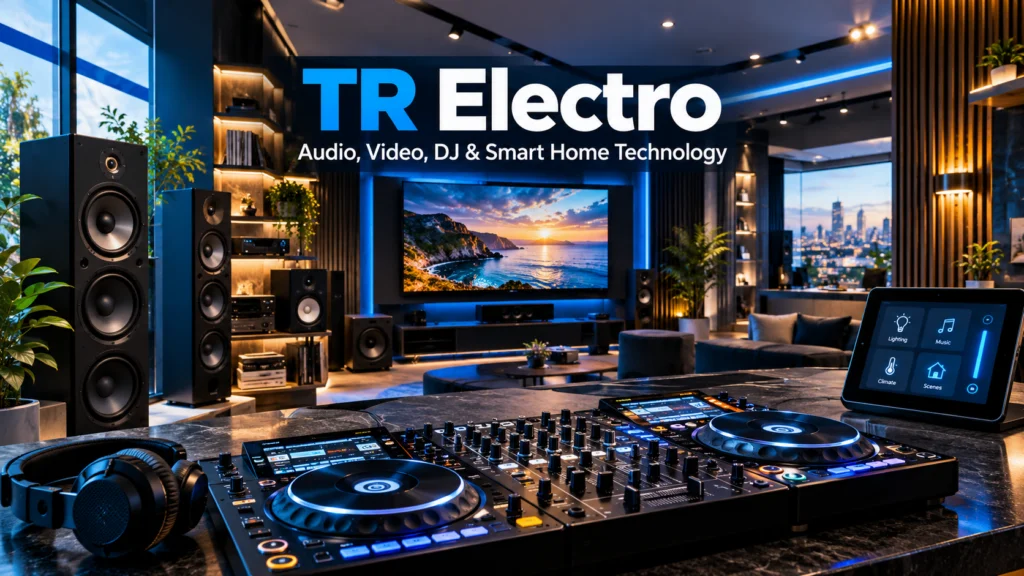
TR Electro: Understanding Its Meaning, Features, Applications, and Importance in Modern Technology
Technology continues to transform the way people live, work, communicate, and manage everyday activities. From electrical equipment and electronic components to advanced automation systems, modern technology depends on reliable electrical solutions. One term that may attract attention in this field is tr electro. Whether someone encounters this keyword while researching electronic products, exploring technical services, or searching for information about electrical technology, understanding its possible meaning and relevance can provide useful insights.
Although the term may appear simple, it can be associated with several areas of interest within the broader electronics and electrical technology industry. This article explores tr electro, its possible applications, the importance of electrical innovation, and the factors people should consider when researching related products and services.
What Is TR Electro?
TR electro is a keyword that may be used in connection with electrical technology, electronic equipment, technical services, or businesses operating within the electronics industry. The exact meaning depends on the context in which the term appears.
The word “electro” is commonly associated with electricity, electronic systems, electrical engineering, and equipment that operates through electrical energy. The abbreviation “TR” may represent a brand name, organization, product category, technical designation, or another specific identifier.
Without a confirmed reference to a particular company or product, it would not be accurate to assign one official definition to tr electro. Instead, the keyword can be explored through its relationship with the wider electrical and electronics sector.
This industry includes everything from basic electrical components to sophisticated digital systems. It supports residential buildings, commercial facilities, manufacturing operations, transportation networks, and communication infrastructure.
Understanding the Importance of Electrical Technology
Electricity plays an essential role in modern society. Almost every industry depends on electrical systems to perform important operations. Homes require electricity for lighting, heating, cooling, and household appliances. Businesses use electrical equipment to operate computers, machinery, security systems, and communication devices.
Electrical technology has also become increasingly important because of the growth of digital services. Smartphones, laptops, servers, and connected devices all depend on electronic components and reliable power systems.
The broader field associated with tr electro can therefore be understood through several important developments.
First, electrical technology improves convenience by allowing people to operate devices and equipment with minimal manual effort. Second, electronic systems make communication faster and more accessible. Third, modern electrical solutions help businesses improve productivity while managing operational costs.
These developments demonstrate why electrical innovation remains an important part of economic and technological progress.
Major Areas Related to TR Electro
The electrical and electronics industry includes several specialized areas. Understanding these categories can help readers identify the type of information they may be looking for when researching tr electro.
1. Electrical Equipment
Electrical equipment forms the foundation of many modern systems. It includes switches, circuit breakers, connectors, transformers, cables, and distribution panels.
These components help control, distribute, and manage electrical energy. For example, circuit breakers protect electrical installations by interrupting the flow of electricity when dangerous conditions occur.
High-quality electrical equipment is particularly important in commercial and industrial environments. Poorly manufactured components can increase maintenance requirements and create safety risks.
2. Electronic Components
Electronic components are essential building blocks of modern devices. Resistors, capacitors, diodes, transistors, and integrated circuits perform different functions within electronic systems.
These components control electrical signals, regulate current, store energy, and process information.
Manufacturers combine multiple electronic components to create products such as televisions, computers, smartphones, medical devices, and industrial control systems.
3. Electrical Installation Services
Electrical installation is another important part of the industry. Residential and commercial properties require properly designed electrical systems to support lighting, appliances, machinery, and other equipment.
Professional electricians and electrical engineers help install wiring, distribution boards, protective devices, and other essential components.
Proper installation is important because incorrect wiring or unsuitable equipment can result in overheating, equipment damage, or electrical fires.
4. Industrial Automation
Industrial automation uses electrical and electronic technology to control manufacturing processes.
Factories increasingly depend on programmable logic controllers, sensors, motors, robotic equipment, and monitoring systems. These technologies help businesses improve accuracy, maintain consistent production quality, and reduce unnecessary manual work.
Automation is especially useful in industries where equipment must operate continuously or perform repetitive tasks.
How Modern Electronics Are Changing Everyday Life
Electronic technology has become an essential part of everyday activities. People use electronic devices for entertainment, education, communication, shopping, and professional responsibilities.
Smartphones provide access to information and communication services. Computers support business operations and creative projects. Smart home equipment allows users to control lighting, temperature, and security features through connected systems.
The development of wireless technology has also increased the number of connected devices. Many modern products can communicate with one another through internet connections and specialized networks.
These developments create opportunities for companies working in the wider electronics industry. They also increase the importance of reliable components, efficient power management, and secure electronic systems.
When researching tr electro, understanding these broader technological changes can provide useful context.
The Role of Quality in Electrical Products
Product quality is one of the most important considerations in the electrical industry. Electrical equipment must perform reliably under different operating conditions.
Low-quality components may fail unexpectedly, leading to equipment damage, expensive repairs, or dangerous situations.
Consumers and businesses should consider several factors when evaluating electrical products.
Material quality: Reliable products generally use materials suitable for their intended electrical and environmental conditions.
Safety certifications: Recognized testing and certification standards can help establish whether a product meets relevant safety requirements.
Performance: Equipment should provide the electrical capacity and functionality required for its intended application.
Durability: Products designed for long-term operation can reduce replacement and maintenance expenses.
Manufacturer reputation: Established manufacturers often provide technical documentation, product specifications, and customer support.
These factors are useful when evaluating any electrical product or service associated with the broader tr electro search topic.
TR Electro and the Growth of Energy Efficiency
Energy efficiency has become a major priority for households, businesses, and governments. Rising energy requirements and environmental concerns have encouraged manufacturers to develop products that consume less electricity while maintaining strong performance.
Energy-efficient electrical equipment can help reduce unnecessary power consumption. LED lighting is one common example. Compared with traditional incandescent bulbs, LED lights generally use significantly less energy and have longer operating lives.
Other examples include efficient electric motors, advanced power supplies, smart thermostats, and energy monitoring systems.
Businesses can also improve energy efficiency by regularly inspecting electrical installations, replacing outdated equipment, and monitoring electricity consumption.
These improvements may reduce operating expenses while supporting more sustainable energy practices.
Important Applications of Electrical Technology
Electrical and electronic systems serve a wide range of industries. Their applications continue to expand as technology develops.
Residential Applications
Homes depend on electrical systems for lighting, cooking, cooling, entertainment, and communication. Modern residential properties may also include smart security equipment, automated lighting, and energy monitoring systems.
Safe electrical installations help ensure that household equipment operates properly.
Commercial Applications
Offices, retail stores, educational institutions, and healthcare facilities require dependable electrical infrastructure.
Computers, printers, communication equipment, lighting systems, and air conditioning units all depend on reliable power supplies.
Businesses often require professional maintenance to prevent unexpected interruptions.
Manufacturing Applications
Manufacturing facilities use electrical equipment to operate production lines, motors, sensors, and automated machinery.
Reliable electrical infrastructure helps maintain production schedules and reduce equipment downtime.
Transportation Applications
Electrical technology is increasingly important in transportation. Electric vehicles, railway systems, traffic signals, and charging infrastructure all depend on specialized electrical components.
As transportation systems become more advanced, demand for efficient electrical solutions is likely to remain significant.
How to Research TR Electro Online
People searching for tr electro may want to identify a specific business, product, technical service, or organization. A careful research process can help them find accurate information.
Start by examining the exact spelling of the keyword. Small differences in a company name or product designation can lead to completely different search results.
Next, look for additional identifying information. A location, product category, manufacturer name, or official business description can help narrow down the search.
It is also useful to compare information from multiple sources. Company websites, product catalogs, technical documentation, and independent business directories may provide different details.
If the keyword refers to a particular organization, check whether it has an identifiable business address, contact information, product information, and a clear description of its services.
Avoid assuming that every website mentioning tr electro refers to the same company or product. Similar names can belong to unrelated businesses.
Benefits of Understanding Electrical Technology
Learning about electrical technology offers several practical benefits.
First, it helps consumers make better purchasing decisions. Understanding basic electrical specifications makes it easier to compare products and select suitable equipment.
Second, technical knowledge can improve safety awareness. People who understand electrical risks are more likely to recognize warning signs such as damaged cables, overheating outlets, and overloaded circuits.
Third, knowledge of electronic systems can support professional development. Electrical engineering, electronics repair, industrial automation, and renewable energy are important technical fields that require specialized skills.
Finally, understanding technological developments allows people to recognize new opportunities in areas such as smart devices, energy management, and electric transportation.
Challenges Facing the Electrical and Electronics Industry
Despite its rapid development, the electrical industry faces several challenges.
One major issue is the increasing complexity of modern electronic products. Advanced devices require specialized components, technical knowledge, and careful manufacturing processes.
Another challenge involves supply chain disruptions. Electronic manufacturers depend on international suppliers for semiconductors, metals, connectors, and other essential materials.
Cybersecurity has also become increasingly important. Connected electrical devices can create security risks when they are not properly configured or updated.
Environmental concerns present another challenge. Electronic waste contains materials that require responsible disposal and recycling. Manufacturers are therefore under increasing pressure to develop more sustainable production methods.
Addressing these challenges requires cooperation between manufacturers, engineers, governments, and consumers.
Future Trends in Electrical and Electronic Technology
The future of electrical technology will likely involve greater automation, improved energy efficiency, and stronger connections between physical equipment and digital systems.
Several developments are particularly important.
Smart electrical systems: Connected devices and intelligent monitoring systems can provide better control over energy consumption and equipment performance.
Renewable energy: Solar and wind power technologies are increasing the demand for advanced electrical equipment, energy storage, and efficient distribution systems.
Electric mobility: Electric vehicles require batteries, charging stations, power management equipment, and specialized electronic components.
Artificial intelligence: AI-powered systems can help monitor equipment, identify unusual operating conditions, and support predictive maintenance.
Advanced manufacturing: Robotics, sensors, and automated control systems are changing how factories produce electronic and electrical products.
These trends demonstrate that the electrical sector will continue to influence many aspects of modern life.
Tips for Choosing Reliable Electrical Solutions
Anyone researching electrical products or services should approach purchasing decisions carefully.
Consider the following recommendations:
- Identify the exact purpose of the product before making a purchase.
- Review technical specifications to ensure compatibility with existing equipment.
- Check relevant safety certifications and manufacturer documentation.
- Compare product quality rather than choosing an option based only on price.
- Purchase from reputable suppliers whenever possible.
- Consult a qualified electrician or engineer for complex installations.
- Follow manufacturer instructions and recommended maintenance procedures.
These simple steps can help individuals and businesses avoid unnecessary expenses and improve electrical safety.
Conclusion
TR electro is a keyword that may relate to electrical equipment, electronic products, technical services, or a particular organization. Its precise meaning depends on the source where it appears, so identifying the relevant company or product requires additional context.
Nevertheless, exploring tr electro through the wider electrical technology industry provides valuable insight into the importance of electrical systems in modern society. From residential installations and industrial automation to renewable energy and smart devices, electrical innovation supports countless everyday activities.
As technology continues to advance, reliable electrical equipment, energy efficiency, product quality, and professional expertise will remain essential. Understanding these developments can help consumers make informed decisions and recognize the growing opportunities within the electronics industry.
Ultimately, learning about tr electro is a starting point for exploring a much larger technological landscape—one that continues to shape how people live, work, and interact with the modern world.

Related Posts

Forbes Connections Hint Today: A Complete Guide to Today’s NYT Connections Puzzle, Clues, Categories, and Answers

ext:asp intitle:cart: Understanding Its Meaning, Uses, and Importance in Web Searches