Casarao Azul: History, Meaning, Architecture, and Its Cultural Significance in Brazil
Introduction
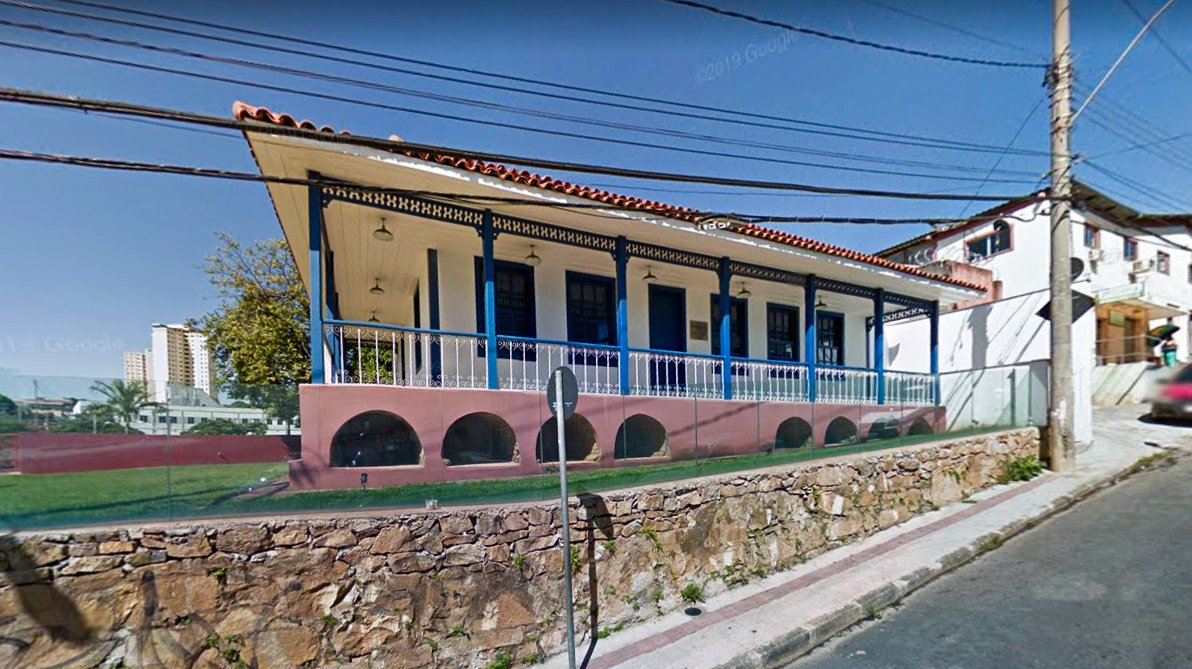
Casarao Azul is a fascinating name that has attracted attention because of its connection to Brazilian architecture, cultural identity, history, and tourism. Written in Portuguese as Casarão Azul, the expression translates into English as “Blue Mansion” or “Large Blue House.” The name immediately creates an image of a distinctive building with a colorful exterior and an interesting story behind its walls.
However, Casarao Azul does not refer to just one property. Several buildings and locations in Brazil have used this name. Some are associated with traditional architecture and historical communities, while others serve as holiday accommodations or cultural spaces. One particularly interesting example is the blue house in Itacaré, Bahia, which recently attracted public attention following a dispute involving a mural.
Understanding Casarao Azul requires looking beyond its appearance. Its name, architectural character, location, and cultural associations all contribute to its identity. Whether someone discovers it through travel research, architectural photography, or online discussions, there are several reasons why this distinctive name deserves attention.
What Does Casarao Azul Mean?
The expression Casarao Azul comes from the Portuguese language. It combines two words: “casarão,” which describes a large house or mansion, and “azul,” which means blue. Together, they create the meaning “Blue Mansion.”
In Portuguese-speaking communities, the word casarão can describe a substantial traditional residence, often associated with older architectural styles. Such buildings may have spacious rooms, high ceilings, decorative windows, large entrances, and distinctive exterior designs.
The color blue also contributes to the expression’s appeal. Depending on the shade, blue can create feelings of calmness, elegance, freshness, and familiarity. When used on a traditional building, it can make the property stand out from surrounding structures.
People frequently search for the phrase without its Portuguese accent marks. Therefore, both Casarao Azul and Casarão Azul can refer to the same general name. The spelling without accents is particularly common in international online searches.
Where Is Casarao Azul Located?
One important detail about Casarao Azul is that the name is shared by multiple properties in Brazil. This means that identifying the correct location is essential before discussing its history or planning a visit.
One notable example is located in Itacaré, a coastal town in the Brazilian state of Bahia. The building stands near Praça São Miguel, an area associated with the town’s historical and community life.
Other properties using the same or similar name can be found in different Brazilian locations, including Planaltina and Paraty. These buildings have their own histories and purposes, so their characteristics should not be confused.
For example, the historic residence in Planaltina has connections to local architectural heritage and the physician Dr. Hosannah de Campos Guimarães. Meanwhile, some properties in Paraty use the name for holiday accommodation.
This variety makes Casarao Azul an interesting subject for people researching Brazilian destinations. It also demonstrates how a simple architectural name can become associated with several different places.
The Historic Casarao Azul in Itacaré
The Casarao Azul in Itacaré has become particularly interesting because of its connection to the town’s history and community life. Located at Praça São Miguel in the central area, the property is considered a recognizable part of the local landscape.
According to reporting about the building, it has belonged to the same family for more than a century. Over the years, it has reportedly served different purposes, reflecting the changing needs of the surrounding community.
Its history also demonstrates how traditional buildings can become important symbols of local identity. A property does not need to be an official museum to hold cultural value. Sometimes, its importance comes from the memories of residents, its location, and the experiences associated with it.
The building gained additional public attention in October 2026, when a collective artistic mural was created on its exterior during cultural activities connected with the Flicaré literary festival.
The 2026 Mural Controversy
One of the most widely discussed developments involving Casarao Azul occurred on October 30, 2026. Members of the Frente Palestina do Sul da Bahia organized an artistic intervention on the building’s exterior.
The original idea reportedly involved painting a watermelon, a symbol frequently associated with Palestinian solidarity. However, the artwork developed into a larger collective mural containing additional illustrations and political messages.
The mural attracted attention from residents, visitors, and people participating in cultural activities in the surrounding area. It also generated disagreement because some of its messages were interpreted differently by different communities.
Reports described a confrontation involving Israeli tourists and local activists after an attempt was reportedly made to damage or remove parts of the artwork. The incident attracted attention on social media and became a subject of local and national news coverage.
There were also disagreements about the permission granted for the artwork. The mural’s organizer stated that she had received verbal authorization from the property owner. The owner subsequently said that the completed paintings went beyond what had been agreed.
The owner later requested that the mural be removed. It was covered with fresh paint in early November.
These developments demonstrate how a historic property can become connected to wider cultural and political discussions. They also highlight the importance of clear agreements when artistic activities take place on privately owned buildings.
The Importance of Cultural Heritage
Cultural heritage is not limited to famous monuments, museums, or government-protected buildings. Ordinary residential properties can also represent important parts of a community’s identity.
Casarao Azul provides an interesting example of this relationship. Its long association with a local family, central location, and changing uses make it more than an ordinary building.
Historic houses often preserve details that help people understand earlier periods. Their architectural materials, construction techniques, and surroundings can reveal information about the lifestyles and resources available when they were built.
Preserving such properties can also encourage younger generations to become interested in local history. When residents understand the stories behind familiar buildings, they may become more motivated to protect their surroundings.
At the same time, preservation requires cooperation. Property owners, residents, cultural organizations, and local authorities all have important roles in maintaining historic structures.
Casarao Azul and Brazilian Architecture
Brazil has a diverse architectural landscape influenced by Indigenous traditions, Portuguese colonial design, African cultural contributions, and later international movements.
Traditional large houses often reflect this mixture of influences. Their designs may include spacious interiors, tiled roofs, wooden doors, decorative windows, and exterior colors that reflect regional preferences.
Blue is an especially interesting architectural color because it can create different impressions depending on its intensity. Light blue can make a building appear peaceful and welcoming, while darker shades can create a more traditional and formal atmosphere.
In coastal communities, colorful buildings also complement tropical surroundings. They often become recognizable features of streets, squares, and neighborhoods.
Although the exact architectural details differ between properties using the Casarao Azul name, the concept provides an interesting opportunity to explore the relationship between color, building design, and cultural identity.
Other Properties Named Casarao Azul
Another important example is the historic Casarão Azul in Planaltina, located in Brazil’s Federal District.
This property has a separate history connected with Dr. Hosannah de Campos Guimarães, a physician and public figure. Architectural research has discussed its construction materials, including a fired-brick front and adobe elements in other sections of the building.
Research also associates the property with medical consultations, making it relevant to discussions about the development of local healthcare and residential architecture.
Paraty is another Brazilian destination where a property uses the Casarao Azul name. In this case, the name is associated with holiday accommodation rather than the historical story of the Planaltina residence.
These examples demonstrate why location matters when researching Casarao Azul. Similar names do not necessarily mean that buildings share the same owners, architectural history, or cultural background.
Why Casarao Azul Attracts Online Attention
Several factors explain why Casarao Azul has become an interesting search topic.
First, its name is memorable. The combination of a traditional Portuguese word and a recognizable color creates an expression that is easy to remember.
Second, the buildings associated with the name have different stories. Some attract attention because of their historical connections, while others are discovered through travel websites and accommodation searches.
Third, the recent events in Itacaré introduced the name to a wider audience. News coverage of the mural controversy encouraged people to learn more about the building and its background.
Social media has also contributed to the popularity of visually distinctive places. Photographs of colorful buildings can quickly attract attention, especially when they are connected with cultural events or local discussions.
However, online readers should distinguish verified information from speculation. Not every photograph or description associated with Casarao Azul necessarily represents the same property.
Visiting Casarao Azul: What Should Travelers Know?
People interested in visiting a property named Casarao Azul should first identify the exact destination.
For the Itacaré building, visitors can explore the surrounding Praça São Miguel and learn about the town’s cultural environment. Itacaré itself is known for its coastal scenery, beaches, natural landscapes, and relaxed atmosphere.
However, seeing a historic building from outside does not automatically mean visitors can enter it. Public access to the interior of Casarao Azul has not been established by the available reports.
Travelers should respect private property, local residents, and any restrictions concerning photography or access.
It is also worth remembering that historic buildings are part of living communities. Responsible tourism involves appreciating their cultural importance without interfering with the people who own, maintain, or use them.
The Future of Casarao Azul
The future of Casarao Azul depends partly on how its historical and cultural importance is understood and maintained.
Historic properties face several challenges, including maintenance expenses, changing ownership arrangements, weather damage, and disagreements about appropriate uses.
Preservation requires more than keeping an attractive exterior. It involves protecting the structure, documenting its history, and recognizing the different experiences connected with it.
The recent attention surrounding the Itacaré property may encourage additional conversations about heritage protection and the responsibilities associated with historic buildings.
Community involvement can make these efforts more effective. Residents often possess valuable knowledge about buildings that may not appear in official historical documents.
With thoughtful preservation and respectful public engagement, places like Casarao Azul can continue contributing to the identity of their communities.
Conclusion
Casarao Azul is a memorable Portuguese expression that represents more than the idea of a large blue house. Across Brazil, the name is associated with properties that have different architectural characteristics, historical backgrounds, and purposes.
The building in Itacaré has attracted particular attention because of its long family association, location in Praça São Miguel, and the artistic controversy that brought it into national discussions in 2026. Meanwhile, the Planaltina property offers a separate historical connection involving traditional construction techniques and local medical history.
Together, these examples demonstrate how buildings can preserve memories, inspire artistic expression, and become important parts of community identity.
Ultimately, understanding Casarao Azul means looking beyond its distinctive name. Its real significance comes from the people, places, history, and cultural experiences connected with each individual property.

Related Posts
Arizona Real Estate News: Latest Housing Market Trends, Property Prices, and Future Opportunities

Shiesty Mask: Everything You Need to Know About Its Style, Popularity, and Everyday Use