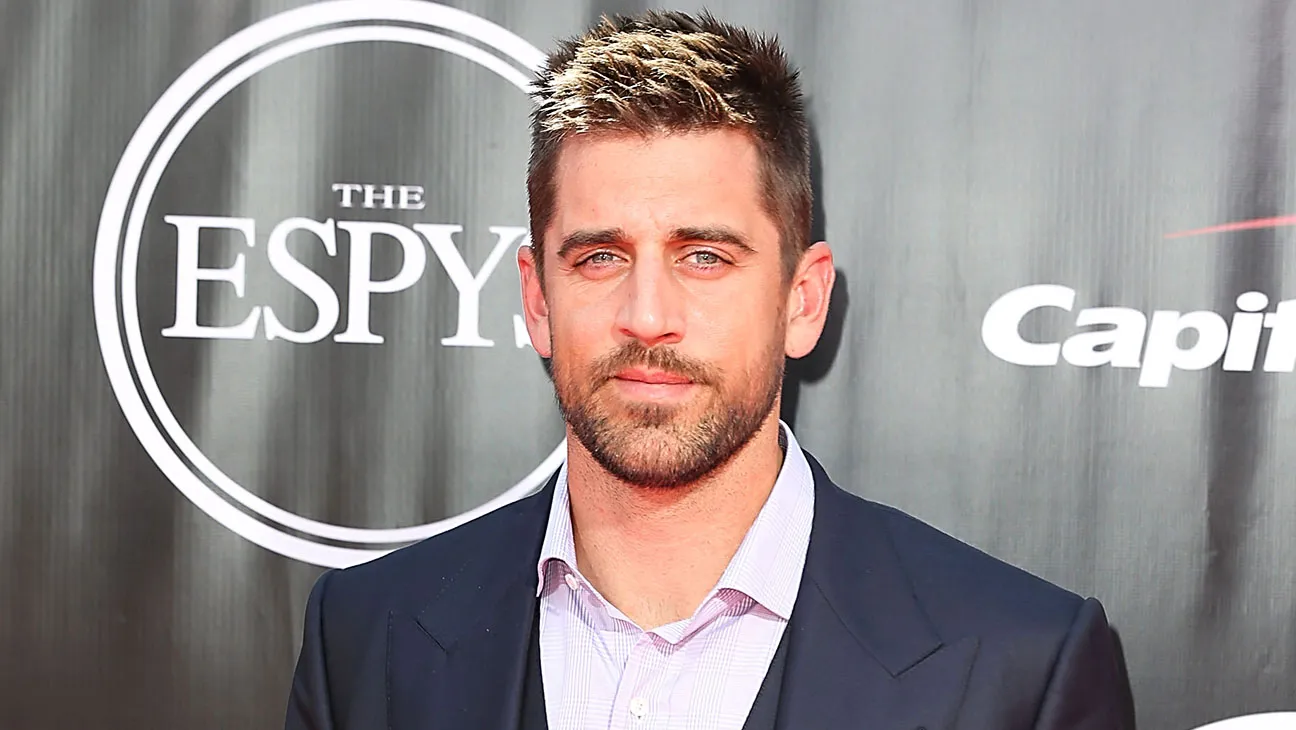
Aaron Rodgers Congo: The Story Behind the NFL Star’s Efforts to Raise Awareness About Congo
Introduction
Aaron Rodgers is widely recognized as one of the most talented quarterbacks in American football. Throughout his professional career, he has earned admiration for his athletic achievements, leadership, intelligence, and ability to perform under pressure. However, there is another side of his public life that deserves attention: his involvement in humanitarian causes, particularly efforts to raise awareness about the humanitarian crisis in the Democratic Republic of the Congo.
The keyword Aaron Rodgers Congo refers to an interesting chapter in the football star’s life when he used his popularity to highlight serious problems affecting millions of people in Central Africa. Rather than limiting his influence to sports and entertainment, Rodgers became involved in a campaign addressing conflict minerals, human rights abuses, and violence in the Congo.
His participation in the Raise Hope for Congo movement attracted attention because it demonstrated how professional athletes can use their public platforms to support important social issues. His story also highlights the connection between everyday technology, international business, natural resources, and humanitarian responsibility.
Who Is Aaron Rodgers?
Aaron Rodgers Congo is an American professional football quarterback known for his remarkable passing ability, football intelligence, and consistency. Born on December 2, 1983, in Chico, California, he developed an interest in football at an early age.
He played college football at the University of California, Berkeley, where his performances helped establish him as an exciting quarterback prospect. In 2005, the Green Bay Packers selected him in the first round of the NFL Draft.
Although Rodgers initially spent several seasons behind legendary quarterback Brett Favre, he eventually became the Packers’ starting quarterback in 2008. He quickly established himself as one of the league’s most accomplished players.
One of the most important achievements of his career came during the 2010 NFL season. Rodgers guided the Packers to victory in Super Bowl XLV and received the game’s Most Valuable Player award.
His professional success brought him international recognition. However, his interest in humanitarian issues revealed that his ambitions extended beyond football.
What Is the Connection Between Aaron Rodgers and Congo?
The connection between Aaron Rodgers and Congo developed through his involvement with humanitarian advocates working to address violence and exploitation in the Democratic Republic of the Congo.
Around 2013, Rodgers became increasingly interested in the country’s humanitarian situation. Actress Emmanuelle Chriqui helped introduce him to the issue by discussing the violence, human rights abuses, and exploitation taking place in the region.
The discussions encouraged Rodgers to learn more about the situation and understand how international consumers could unknowingly contribute to problems through their purchasing habits.
One particular issue caught his attention: conflict minerals.
These minerals include tin, tantalum, tungsten, and gold. They are important materials used in electronics, jewelry, and various industrial products. Some mining and trading activities in the region have been connected to armed groups that benefit financially from controlling valuable natural resources.
Rodgers recognized that smartphones and other everyday devices could connect ordinary consumers to complicated international supply chains.
This realization encouraged him to become involved in awareness campaigns and use his celebrity status to bring attention to the issue.
Aaron Rodgers and the Raise Hope for Congo Campaign
One of the most important parts of the Aaron Rodgers Congo story is his participation in the Raise Hope for Congo movement.
In October 2013, Rodgers co-hosted a rally at the University of Wisconsin-Madison alongside Emmanuelle Chriqui, his Green Bay Packers teammate Andy Mulumba, and representatives associated with the Enough Project.
The event focused on educating students about the humanitarian crisis in the Democratic Republic of the Congo.
The rally attracted approximately 1,500 students and created an opportunity to discuss the relationship between natural resources, international companies, and armed conflict.
Rodgers helped make the campaign more accessible to young people by explaining how their everyday electronics could be connected to the mineral trade.
His participation was particularly meaningful because he was not simply attending an event as a famous guest. He actively encouraged students to become informed and take responsibility for the products they purchased.
The campaign demonstrated that sports personalities could help humanitarian organizations reach audiences that might otherwise pay little attention to international human rights issues.
Understanding the Conflict Minerals Issue
To understand why Aaron Rodgers became involved with Congo-related humanitarian work, it is important to understand the conflict minerals problem.
The Democratic Republic of the Congo possesses significant natural resources, including valuable minerals used in modern manufacturing.
However, resource wealth has not automatically translated into prosperity for the country’s population. Decades of political instability, armed conflict, weak governance, and exploitation have created serious challenges.
In some areas, armed groups have benefited from controlling mines, transportation routes, and mineral trading networks.
The minerals most frequently discussed in the campaign include:
Tin: An important material used in electronics and soldering applications.
Tantalum: A metal used in electronic components, including capacitors found in many modern devices.
Tungsten: A durable metal used in industrial applications and certain electronic products.
Gold: A valuable resource used in jewelry, electronics, and financial markets.
The concern is that minerals extracted or traded under abusive conditions can generate money for armed groups.
Rodgers helped communicate this issue to the public by pointing out that consumers have a relationship with global supply chains, even when they do not directly see where raw materials originate.
His involvement encouraged discussions about responsible sourcing, corporate transparency, and the importance of protecting communities affected by resource exploitation.
The Importance of Andy Mulumba’s Connection
Another important person in the Aaron Rodgers Congo story is Andy Mulumba.
Mulumba, a former Green Bay Packers linebacker, was born in the Democratic Republic of the Congo before moving to Canada as a child.
He eventually pursued American football and earned an opportunity to play professionally in the NFL.
During the Packers’ training camp in 2013, Mulumba noticed that Rodgers was wearing a shirt featuring the African continent with Congo highlighted.
This surprised him and encouraged him to ask Rodgers why he was supporting the country.
Their conversation helped establish a meaningful connection between the two teammates.
For Mulumba, the subject was personal. Congo was not simply a country mentioned in a charitable campaign. It was his birthplace and a place connected to his family and childhood experiences.
Rodgers wanted to understand more about Mulumba’s background and the difficulties experienced by people in the country.
Their relationship demonstrated how humanitarian awareness can develop through personal conversations and shared experiences.
It also gave the campaign an additional human dimension. Rather than discussing Congo only through statistics and political arguments, Rodgers and Mulumba helped bring attention to the real people affected by the crisis.
How Aaron Rodgers Used His Fame to Support Humanitarian Awareness
Professional athletes have enormous audiences. Their performances are watched by millions, and their public statements can attract significant media attention.
Rodgers understood that his position as a successful NFL quarterback provided opportunities to highlight issues beyond football.
His involvement with Congo-related activism demonstrated several ways celebrities can support humanitarian causes.
First, he participated in public awareness events. His presence attracted students and sports fans who might not otherwise have attended discussions about conflict minerals.
Second, he helped communicate complicated subjects in understandable language. The connection between smartphones, natural resources, and armed conflict can seem distant to ordinary consumers. Rodgers helped explain why the issue mattered.
Third, he supported fundraising and awareness efforts connected to the Enough Project.
His involvement included an Omaze fundraising initiative that offered supporters an opportunity to enter a drawing for an experience involving Rodgers and a Green Bay Packers game.
This approach combined entertainment with charitable engagement and gave fans another way to become involved.
His actions illustrated an important principle: public recognition can become a useful resource when it is directed toward meaningful causes.
The Role of Technology Companies and Responsible Sourcing
Another major theme associated with Aaron Rodgers Congo is corporate responsibility.
Modern electronic products depend on complicated supply chains. Smartphones, computers, tablets, and other devices contain materials obtained from different parts of the world.
Most consumers purchase these products without knowing the full journey of the materials used to manufacture them.
However, the origin of minerals matters because irresponsible mining and trading practices can contribute to exploitation and violence.
Rodgers encouraged people to consider whether the technology they use every day could be produced through more responsible sourcing practices.
Companies can help address these concerns by improving supply-chain transparency, investigating mineral suppliers, and supporting systems that reduce the risk of financing armed groups.
Consumers can also encourage responsible business practices by paying attention to corporate commitments and supporting greater transparency.
The broader message of the Congo campaign was not that people should stop purchasing electronic products. Instead, it emphasized that companies and consumers should care about how those products are manufactured.
Why the Democratic Republic of the Congo Needs International Attention
The Democratic Republic of the Congo has experienced decades of political instability, armed violence, displacement, and humanitarian difficulties.
The eastern part of the country has been particularly affected by recurring conflicts involving armed groups and other regional actors.
Millions of people have faced challenges involving insecurity, poverty, displacement, and limited access to essential services.
Women and children have also experienced serious human rights abuses in conflict-affected communities.
Although natural resources are an important part of the country’s economy, they are only one element of a much larger situation.
Addressing the crisis requires cooperation between Congolese communities, national institutions, neighboring countries, international organizations, and responsible businesses.
Humanitarian campaigns such as Raise Hope for Congo have helped bring attention to these issues.
Rodgers’ participation contributed to that broader awareness effort by connecting an internationally recognized sports personality with a subject that often receives limited attention outside humanitarian and political discussions.
The Influence of Aaron Rodgers’ Congo Activism
Rodgers’ involvement in Congo-related activism became an example of how athletes can contribute to discussions about international issues.
His participation did not solve the country’s problems, nor did it make him an expert in African politics or mineral supply chains.
However, it helped introduce an important humanitarian subject to a wider audience.
The 2013 campaign also demonstrated the value of collaboration between celebrities, nonprofit organizations, students, and individuals with personal connections to affected communities.
His teammate Andy Mulumba provided a particularly meaningful perspective because he could explain why the issue mattered to people who had direct connections to Congo.
This combination of public influence and personal experience helped make the campaign more engaging.
Rodgers’ participation also reflected a wider movement in professional sports in which athletes increasingly use their platforms to discuss education, social responsibility, human rights, and charitable causes.
What Can People Learn From the Aaron Rodgers Congo Story?
There are several lessons that people can take from this chapter of Rodgers’ public life.
The first lesson is that awareness matters. Many international humanitarian problems remain overlooked because they happen far away from the countries where most consumers live.
The second lesson is that everyday decisions can have international consequences. Products that appear ordinary may depend on complicated supply chains involving workers, mining communities, and international companies.
The third lesson is that individuals can contribute to positive change in different ways. Not everyone has the influence of an NFL quarterback, but people can still learn about humanitarian issues, support credible organizations, and encourage responsible business practices.
Finally, the story demonstrates the importance of listening to people directly affected by a crisis. Andy Mulumba’s connection to Congo helped provide a personal perspective that statistics and news reports alone cannot communicate.
Frequently Asked Questions About Aaron Rodgers Congo
1. Why is Aaron Rodgers associated with Congo?
Aaron Rodgers Congo is associated with Congo because he supported humanitarian awareness efforts addressing conflict minerals and human rights abuses in the Democratic Republic of the Congo. He participated in the Raise Hope for Congo campaign in 2013.
2. What was the Raise Hope for Congo campaign?
Raise Hope for Congo was an awareness initiative focused on addressing violence, exploitation, and the role of conflict minerals in the Democratic Republic of the Congo. It encouraged public education and responsible sourcing.
3. Did Aaron Rodgers visit Congo?
Historical reporting from the 2013 campaign indicates that Rodgers expressed an interest in visiting the country. However, an expressed intention should not be treated as confirmation that the visit happened.
4. Who introduced Aaron Rodgers to the Congo issue?
Actress Emmanuelle Chriqui helped introduce Rodgers to the humanitarian situation in Congo and encouraged him to learn about the connection between natural resources and armed conflict.
5. Who is Andy Mulumba?
Andy Mulumba is a former NFL linebacker who played for the Green Bay Packers. Born in the Democratic Republic of the Congo, he developed a connection with Rodgers through their shared interest in raising awareness about the country.
6. What are conflict minerals?
Conflict minerals are natural resources whose extraction or trade may contribute to financing armed groups and human rights abuses. Tin, tantalum, tungsten, and gold are commonly discussed in connection with the Democratic Republic of the Congo.
Conclusion
The story behind Aaron Rodgers Congo reveals a different dimension of a famous American football player’s public life. While Rodgers achieved extraordinary success on the football field, his involvement with the Raise Hope for Congo movement demonstrated his willingness to use his popularity to highlight international humanitarian concerns.
His work alongside Emmanuelle Chriqui, Andy Mulumba, and the Enough Project helped introduce students and sports fans to the complicated relationship between natural resources, consumer technology, and armed conflict.
Although celebrity involvement cannot independently resolve a humanitarian crisis, it can encourage people to learn, ask questions, and support meaningful efforts.
Ultimately, the Aaron Rodgers Congo connection is about more than football or celebrity activism. It is a reminder that global responsibility extends beyond national borders and that informed individuals, responsible companies, and dedicated organizations can all contribute to building a more ethical and peaceful world.

Related Posts
Gry Marita Braut: The Inspiring Story of Erling Haaland’s Mother and Norwegian Heptathlon Champion
Michelle Vella: Biography, Career, Artistic Journey, and Rise in Contemporary Pop Art