Fruit Persimmon in Spanish: Meaning, Translation, Uses, and Interesting Facts
Learning the names of fruits in different languages can make everyday conversations more interesting and help people understand different food cultures. One fruit that often attracts attention because of its bright orange color, sweet flavor, and unique texture is the persimmon. If you are learning Spanish or simply curious about Spanish fruit vocabulary, understanding the term fruit persimmon in Spanish is a useful starting point.
The Spanish word for persimmon is caqui. In some Spanish-speaking regions, it is also called palosanto. These names refer to the same delicious fruit, although regional preferences and varieties can influence which word people commonly use.
Persimmons are enjoyed in many countries because they are naturally sweet, nutritious, and versatile. They can be eaten fresh, added to desserts, blended into smoothies, or included in different recipes. In this article, we will explore the Spanish translation of persimmon, its pronunciation, nutritional value, culinary uses, varieties, and cultural importance.
What Is Fruit Persimmon in Spanish?
The most common fruit persimmon in spanish translation of persimmon is caqui. It is a masculine noun, so the correct Spanish expression is generally “el caqui.”
For example:
- English: I bought a persimmon.
- Spanish: Compré un caqui.
- English: Persimmons are sweet fruits.
- Spanish: Los caquis son frutas dulces.
- English: I like eating persimmons.
- Spanish: Me gusta comer caquis.
The word “caqui” is widely understood in Spanish-speaking countries. However, vocabulary can change depending on the region. In Spain, for example, the word is commonly used in markets and grocery stores.
Another term you may encounter is “palosanto.” This name is associated with certain persimmon varieties and is particularly familiar in some Spanish-speaking communities.
Understanding both expressions can help you recognize the fruit when shopping, reading recipes, or speaking with Spanish speakers.
How Do You Pronounce Caqui in Spanish?
Pronunciation is an important part of learning a new word. The Spanish word “caqui” is relatively easy for English speakers to pronounce.
It is pronounced approximately as:
KAH-kee
The first syllable sounds like “kah,” while the second sounds like “kee.”
Spanish pronunciation is generally consistent, making this word easier to learn than many English fruit names.
You can practice using these simple sentences:
- ¿Te gusta el caqui? — Do you like persimmon?
- Quiero comprar caquis. — I want to buy persimmons.
- El caqui es muy dulce. — The persimmon is very sweet.
- Esta fruta está madura. — This fruit is ripe.
Practicing these expressions can help you become more comfortable discussing fruits and food in Spanish.
What Is a Persimmon?
A persimmon is an edible fruit that grows on trees belonging to the Diospyros genus. It is particularly popular in Asian countries, although it is also cultivated in Mediterranean regions and other parts of the world.
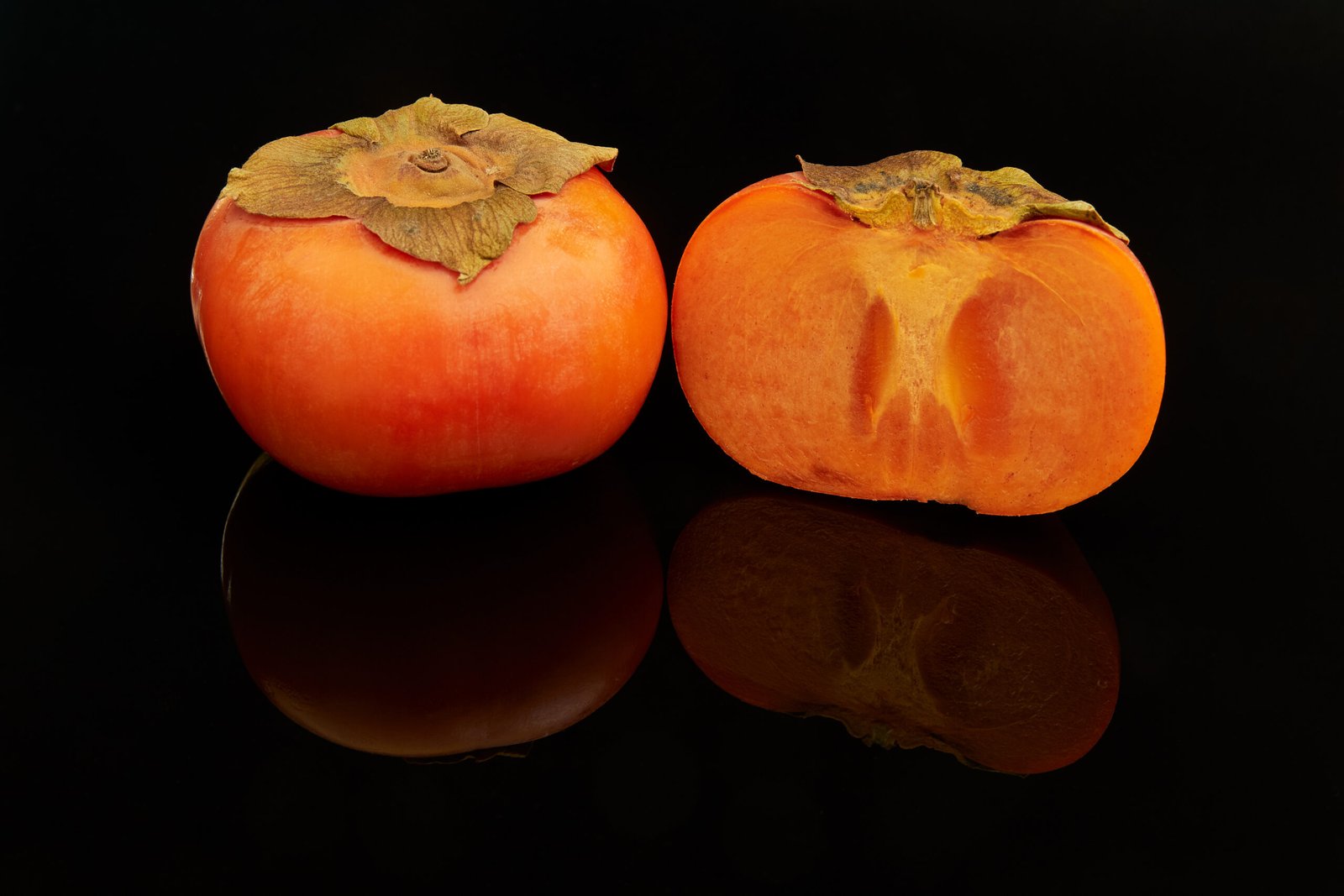
The fruit usually has an orange or reddish-orange appearance. Its shape can vary depending on the variety, with some persimmons looking round and others appearing slightly elongated.
Persimmons are known for their naturally sweet taste. Depending on the variety and ripeness, their flavor may remind people of honey, apricot, pumpkin, or other sweet fruits.
The fruit generally contains smooth, edible flesh. Some varieties have a firm texture, while others become extremely soft and creamy when fully ripe.
Persimmons are usually available during autumn and winter. Their seasonal appearance makes them a popular addition to meals during colder months.
Different Types of Persimmons
Not all persimmons taste or feel the same. There are several varieties, and understanding their differences can help consumers choose the right fruit.
1. Fuyu Persimmon
The Fuyu persimmon is one of the most recognizable varieties. It has a round, slightly flattened shape and an attractive orange color.
One of its biggest advantages is that it can be eaten while still firm. Its texture is somewhat similar to an apple, making it convenient for slicing and adding to salads.
Fuyu persimmons are naturally sweet and usually do not have the strong astringent sensation associated with some other varieties.
2. Hachiya Persimmon
Hachiya persimmons typically have an elongated, heart-like shape. They are different from Fuyu persimmons because they need to become very soft before eating.
An unripe Hachiya persimmon can produce an unpleasant dry sensation in the mouth due to its high tannin content.
When completely ripe, however, its flesh becomes soft and almost pudding-like. It is especially suitable for baking, desserts, and purees.
3. Chocolate Persimmon
Chocolate persimmons are known for their distinctive brownish flesh and sweet flavor. Their internal appearance makes them interesting compared with ordinary orange-fleshed varieties.
The exact characteristics can vary according to the cultivar and growing conditions.
4. American Persimmon
American persimmons are native to parts of North America. They are generally smaller than many commercially cultivated Asian varieties.
These fruits are often used in traditional recipes, including puddings, breads, and sweet baked dishes.
Nutritional Benefits of Persimmons
Persimmons are more than just attractive and delicious fruits. They also contain several nutrients that support a balanced diet.
Rich in Vitamin A
Persimmons contain beta-carotene and other carotenoids that the body can use to produce vitamin A.
Vitamin A plays an important role in normal vision, immune function, and maintaining healthy skin.
The orange color of the fruit is partly associated with these naturally occurring pigments.
Good Source of Fiber
Dietary fiber is an important part of a healthy eating pattern. Persimmons provide fiber that supports normal digestion and helps maintain regular bowel movements.
Including fiber-rich fruits in daily meals can also contribute to feelings of fullness.
Contains Vitamin C
Persimmons provide vitamin C, an essential nutrient involved in collagen production and normal immune system function.
Vitamin C also acts as an antioxidant, helping protect cells from oxidative damage.
Provides Antioxidants
Persimmons contain various plant compounds, including carotenoids and polyphenols.
These compounds have antioxidant properties and contribute to the nutritional value of the fruit.
Eating a variety of colorful fruits and vegetables is a practical way to obtain different beneficial plant compounds.
Naturally Provides Energy
Persimmons contain natural carbohydrates, particularly sugars, that provide energy.
Their sweet taste makes them an enjoyable alternative to many heavily processed desserts.
However, people monitoring their carbohydrate intake should consider portion sizes as part of their overall dietary plan.
How to Eat a Persimmon
Persimmons are easy to enjoy in several different ways. The best preparation method depends on the variety and its ripeness.
Eating it fresh: Fuyu persimmons can be washed, sliced, and eaten like apples. Their firm texture makes them convenient for snacks.
Using a spoon: Very ripe Hachiya persimmons can be cut open and eaten with a spoon. Their soft flesh has a creamy consistency.
Adding it to salads: Sliced persimmons can add natural sweetness and color to green salads. They pair well with nuts, leafy vegetables, and cheese.
Making smoothies: Ripe persimmon flesh can be blended with bananas, yogurt, or milk to create a naturally sweet drink.
Preparing desserts: Persimmon puree can be used in puddings, cakes, muffins, and other baked goods.
Making fruit sauces: Cooked persimmons can be combined with spices to create sauces for desserts and breakfast dishes.
These different preparation methods make persimmons a flexible ingredient for home cooking.
How to Buy and Store Persimmons
Choosing a good persimmon depends on the variety you want to purchase.
For Fuyu persimmons, look for fruits with a bright orange color and smooth skin. They should feel firm or slightly soft, depending on your preference.
For Hachiya persimmons, choose fruits that have become very soft when you want to eat them immediately. If they are still firm, allow them to ripen before consumption.
Persimmons can be stored at room temperature while ripening. Once ripe, refrigeration can help slow further softening.
It is also possible to freeze persimmon flesh for later use in smoothies, sauces, and baking recipes.
Avoid fruits with extensive mold, leaking liquid, or signs of serious damage.
How Persimmons Are Used in Spanish Cuisine
Persimmons have become familiar in Spanish markets and seasonal food culture. Spain is an important European producer of persimmons, particularly in the Valencia region.
One well-known example is the Spanish-grown variety marketed as Kaki Ribera del Xúquer, which is associated with the protected designation of origin of the same name.
This regional product is particularly appreciated for its quality and characteristic sweet flavor.
Persimmons can be eaten fresh, incorporated into desserts, or served alongside other seasonal ingredients.
Their natural sweetness makes them suitable for traditional and modern cooking styles. Some cooks combine them with yogurt, nuts, cheese, or honey.
They can also be used in fruit salads and homemade preserves.
Although persimmons are not necessarily a traditional ingredient in every Spanish household, their popularity has increased through commercial cultivation and wider availability.
Useful Spanish Vocabulary Related to Persimmons
If you want to improve your Spanish vocabulary, learning related words can make conversations easier.
Here are some useful terms:
| English | Spanish |
|---|---|
| Persimmon | Caqui |
| Persimmons | Caquis |
| Fruit | Fruta |
| Sweet | Dulce |
| Ripe | Maduro |
| Unripe | Verde |
| Orange | Naranja |
| Fresh fruit | Fruta fresca |
| Fruit salad | Ensalada de frutas |
| Fruit market | Mercado de frutas |
| Healthy food | Comida saludable |
| To eat | Comer |
You can use these words to create simple sentences and practice everyday Spanish conversations.
For example, “El caqui es una fruta dulce” means “The persimmon is a sweet fruit.”
Another useful sentence is “Los caquis están maduros,” which means “The persimmons are ripe.”
Interesting Facts About Persimmons
Persimmons have several interesting characteristics that make them different from other fruits.
First, they have a long history of cultivation in East Asia. China, Japan, and Korea have traditionally grown and consumed different varieties of persimmons.
Second, the fruit belongs to the genus Diospyros. The name is associated with the idea of divine food, reflecting the fruit’s historical appreciation.
Third, some persimmon varieties contain significant amounts of tannins when unripe. These compounds create the dry, puckering sensation that makes certain varieties unpleasant to eat before they ripen.
Fourth, persimmon trees can also be appreciated for their attractive appearance. Their colorful fruits sometimes remain visible on branches after many leaves have fallen.
Finally, persimmons are versatile ingredients. They can be eaten fresh, dried, cooked, or incorporated into a wide variety of recipes.
Common Questions About Fruit Persimmon in Spanish
1. What Is Persimmon Called in Spanish?
Persimmon is called “caqui” in fruit persimmon in spanish. The plural form is “caquis.” Some varieties are also known as “palosanto.”
2. Is Caqui the Same as Persimmon?
Yes. Caqui is the Spanish name commonly used for persimmon. Both words refer to the edible fruit from trees belonging to the Diospyros genus.
3. What Is the Plural of Caqui?
The plural of caqui is caquis. For example, “Me gustan los caquis” means “I like persimmons.”
4. Is Persimmon Sweet or Sour?
Most ripe persimmons are naturally sweet. Their flavor can resemble honey, apricot, and other sweet fruits. However, some varieties taste unpleasantly astringent when eaten before becoming fully ripe.
5. Can You Eat Persimmon Skin?
Yes. The skin of many persimmon varieties is edible. It should be washed properly before eating. Some people prefer peeling the fruit because of its texture.
6. When Is Persimmon Season in Spain?
Persimmons are generally associated with autumn and early winter in Spain. Their availability depends on the growing region, weather, and variety.
7. What Is the Difference Between Caqui and Palosanto?
Both names can refer to persimmons, but their usage varies by region and variety. Caqui is the more widely recognized general term.
Conclusion
Understanding fruit persimmon in Spanish is simple once you learn the word “caqui.” This translation is widely used in Spanish-speaking communities and is particularly useful when shopping, reading recipes, or discussing different fruits.
Persimmons are appreciated for their bright appearance, naturally sweet flavor, and nutritional value. From firm Fuyu persimmons to soft Hachiya varieties, there are several ways to enjoy this versatile fruit.
They can be eaten fresh, added to salads, blended into smoothies, or transformed into delicious desserts. Their popularity in Spain and other parts of the world demonstrates how a fruit with Asian origins has become an important part of international food culture.
Whether you are learning Spanish vocabulary or exploring new foods, remembering the word “caqui” is an easy and practical way to expand your knowledge. The next time you see a persimmon at a grocery store or fruit market, you will know exactly what to call it in Spanish.

Related Posts

Best Pasticho Venezuelan Lasagna Near Me: A Complete Guide to Finding the Creamiest, Most Authentic Bite

Yalla Choy: Exploring the Meaning, Culture, and Rising Popularity of a Unique Digital Trend