Kilimanjaro: Conquering Africa’s Majestic Peak
Have you ever dreamed of standing atop a mountain where the clouds brush your feet and the world stretches endlessly below you? Kilimanjaro, the tallest free-standing mountain in the world, isn’t just a mountain; it’s an emblem of adventure, a challenge for explorers, and a symbol of natural wonder. Rising proudly in Tanzania, Kilimanjaro attracts thousands of hikers, climbers, and nature enthusiasts every year. But there’s more to this mountain than meets the eye—it’s a story of ecosystems, cultures, and unforgettable journeys.
The Geography of Kilimanjaro
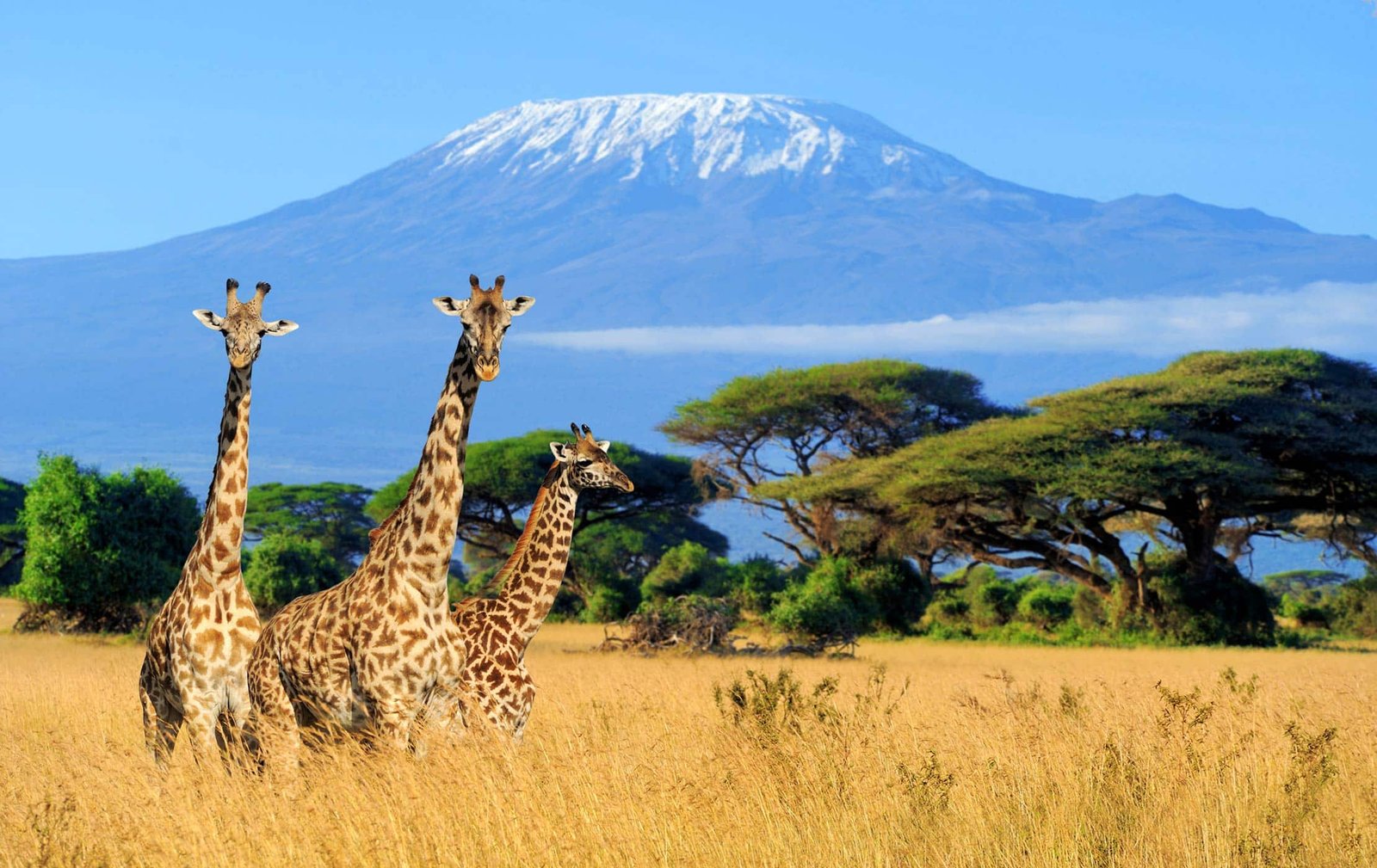
Kilimanjaro is located in northeastern Tanzania, near the border with Kenya. Standing at 5,895 meters (19,341 feet) above sea level, it is the highest peak in Africa and one of the most iconic landmarks of the continent. Unlike many mountains, Kilimanjaro is a free-standing volcanic mountain, meaning it’s not part of a larger mountain range. Its three volcanic cones—Kibo, Mawenzi, and Shira—tell a story of volcanic activity that shaped this majestic peak over millions of years.
The summit, known as Uhuru Peak, sits on Kibo, the largest of the three cones. It is considered dormant, but geological evidence suggests that volcanic activity still simmers beneath its surface. Mawenzi and Shira, while lower in elevation, provide rugged and scenic terrain that attracts climbers who seek less-trodden paths. The diverse geological makeup of the mountain makes Kilimanjaro a fascinating study for scientists, as its layers reveal a timeline of volcanic events.
Kilimanjaro’s location near the equator gives it a unique climate. Despite being in a tropical region, its high elevation produces snow-capped peaks and glaciers—a stark contrast to the warm plains below. This unique combination of geography and climate allows Kilimanjaro to host multiple ecosystems in a vertical slice, making it one of the most ecologically diverse mountains in the world.
The Climate and Weather Patterns
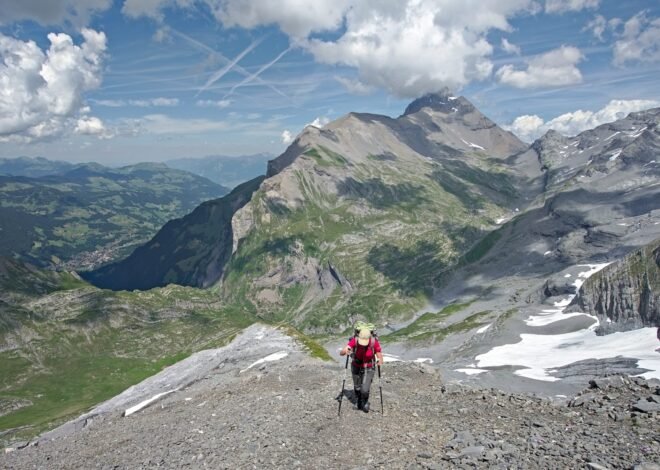
Kilimanjaro’s climate varies dramatically depending on elevation. At the base, temperatures are warm and humid, resembling a tropical savanna. As climbers ascend, they pass through several climatic zones, each with distinct weather patterns. These include rainforest, heath and moorland, alpine desert, and the arctic summit zone. This transition from lush greenery to icy terrain is one of Kilimanjaro’s most mesmerizing features.
Rainfall is concentrated in two rainy seasons: March to May and November to December. During these periods, the mountain can be challenging to climb due to slippery trails and limited visibility. Dry seasons, particularly January to February and June to October, are considered ideal for trekking, offering clearer skies and more stable conditions. However, even in dry seasons, temperatures can plunge well below freezing at night in higher altitudes.
One of the most striking features of Kilimanjaro’s climate is the presence of glaciers near the summit. Despite its equatorial location, these glaciers persist due to the high elevation. Unfortunately, climate change has caused rapid glacial retreat in recent decades, making the summit snow and ice increasingly rare. This adds urgency for climbers and scientists alike, who are racing against time to witness the mountain in its full glory.
Kilimanjaro’s Diverse Ecosystems
One of the most remarkable aspects of Kilimanjaro is its ecological diversity. Within a single day’s climb, hikers can move through multiple ecosystems, each with unique flora and fauna. The base of the mountain is dominated by tropical rainforests, where thick vegetation and vibrant wildlife thrive. This zone is home to monkeys, elephants, and a variety of bird species, creating a lush and immersive environment for nature enthusiasts.
Above the rainforest lies the heath and moorland zone, characterized by shrubs, giant groundsels, and other hardy plants that have adapted to the high-altitude conditions. This zone is less dense but provides a striking contrast to the rainforest below. Trekking through this area offers hikers breathtaking panoramic views, as the vegetation gradually thins and the rocky terrain becomes more prominent.
Higher still, climbers enter the alpine desert zone, where the environment becomes harsher and vegetation scarce. Temperatures drop, and the air grows thin, making every step a challenge. Finally, the arctic summit zone presents a stark, icy landscape. Snow and glaciers dominate this region, creating the classic Kilimanjaro summit experience that climbers dream of. Each ecosystem presents its own set of challenges and wonders, making the mountain an extraordinary laboratory of life and survival.