Harolyn Suzanne Nicholas: The Untold Story of Dorothy Dandridge’s Only Daughter
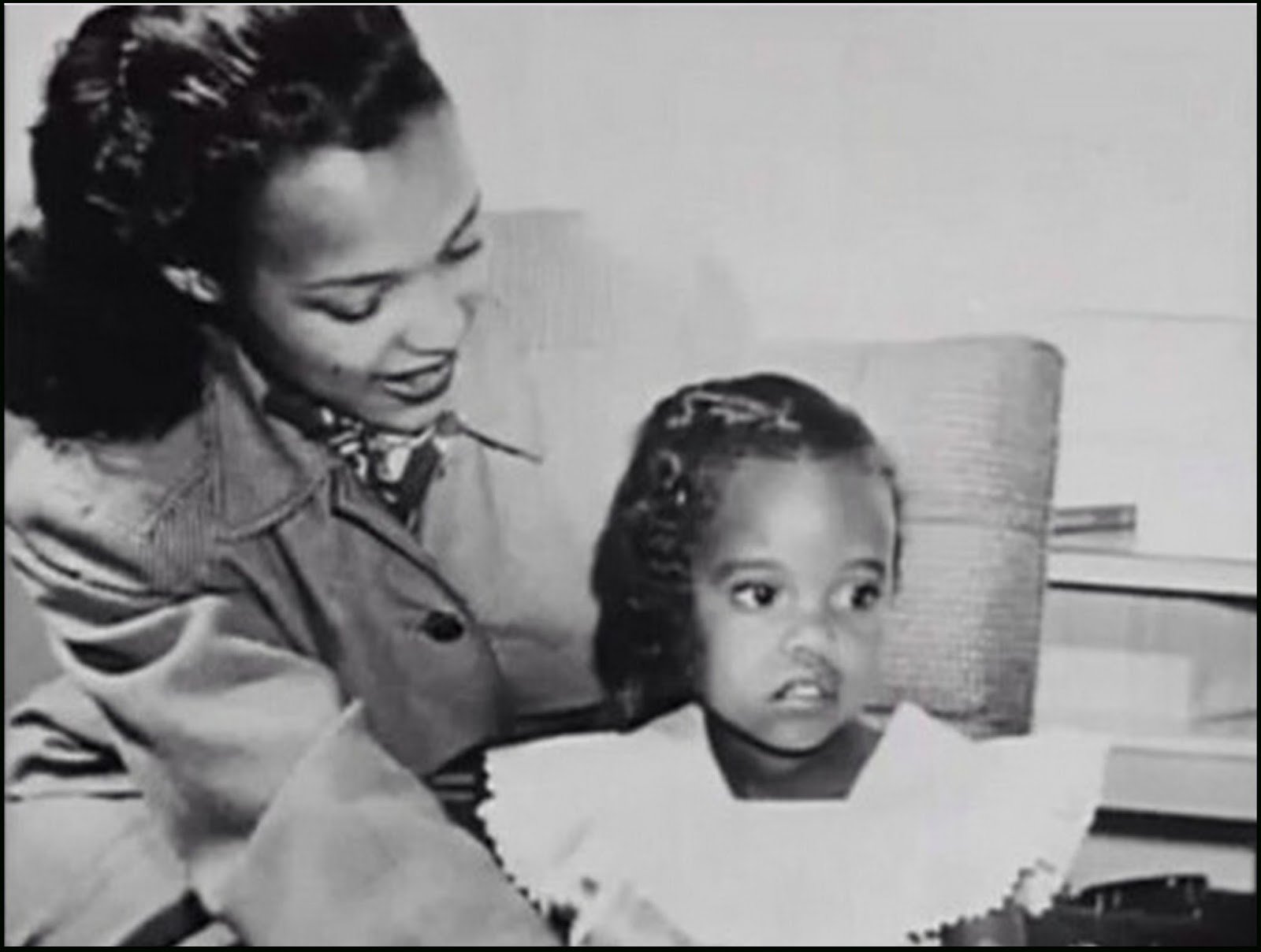
Harolyn Suzanne Nicholas is a name connected to one of the most fascinating and heartbreaking families in Hollywood history. She was the only child of Dorothy Dandridge, the pioneering American actress and singer, and Harold Nicholas, the celebrated dancer from the famous Nicholas Brothers. Although her parents became important figures in entertainment, Harolyn lived a very different life, largely away from the spotlight.
Born on September 2, 1943, in Los Angeles, California, Harolyn entered the world at a time when her mother was beginning an important chapter in her career. Her father was also part of one of the most respected dancing families in American entertainment. Yet, complications surrounding Harolyn’s birth dramatically changed the direction of her life and deeply affected her mother.
Her story is important not because she became a celebrity herself, but because her life reveals the private struggles behind the fame of Dorothy Dandridge. It also provides a glimpse into the difficulties faced by families caring for children with significant disabilities during the middle of the 20th century.
Who Was Harolyn Suzanne Nicholas?
Harolyn Suzanne Nicholas was the only daughter of Dorothy Dandridge and Harold Nicholas. Her mother was an actress, singer, and performer who broke important racial barriers in Hollywood. Her father was a highly accomplished dancer and one half of the famous Nicholas Brothers dancing team.
Harolyn was therefore born into an extraordinary entertainment family. Her grandmother, Ruby Dandridge, was also involved in entertainment, while her aunt Vivian Dandridge performed alongside Dorothy during their childhood. Entertainment was deeply connected to the family’s history.
However, Harolyn did not follow her parents into show business. Her circumstances were very different from those of other children born to famous entertainers. Accounts of her life describe serious complications during her birth that resulted in significant neurological impairment and developmental challenges.
Because Harolyn lived privately, there are relatively few reliable details about her personal experiences. Much of what is known about her comes through biographies and accounts of Dorothy Dandridge’s life.
Harolyn’s Birth and Early Challenges
Harolyn was born on September 2, 1943. Her birth became a major turning point in Dorothy Dandridge’s personal life.
According to accounts of Dandridge’s life, complications developed during labor, and Harolyn experienced a serious loss of oxygen associated with the difficult delivery. She subsequently had severe developmental difficulties and required extensive care throughout her life. The exact medical circumstances have been described differently by different sources, so claims assigning simple blame for her condition should be treated carefully.
What is much clearer is the emotional effect the situation had on Dorothy Dandridge.
Dorothy reportedly carried enormous guilt over her daughter’s condition. She believed for years that decisions made during the delivery had contributed to what happened. Modern readers should remember that medical knowledge and childbirth practices were very different at the time, and families often had little ability to understand complicated birth injuries.
Harolyn’s condition meant that ordinary parenting became exceptionally difficult. She needed extensive assistance, supervision, and care, placing a tremendous emotional and financial burden on her mother.
Dorothy Dandridge as a Mother
Dorothy Dandridge’s public life was filled with achievement, but her private life was considerably more difficult.
She was working in an entertainment industry that offered very limited opportunities to Black actresses. Even after becoming a major star, Dandridge faced racism, sexism, and professional restrictions. At the same time, she was responsible for a daughter who needed substantial long-term care.
After Dandridge and Harold Nicholas separated, much of the responsibility for Harolyn fell on Dorothy. The marriage had deteriorated, and the couple eventually divorced in 1951.
Dorothy continued working because she needed an income. Her professional career became more demanding, particularly as she sought increasingly important acting and singing opportunities.
The situation created an almost impossible balance. Dandridge wanted to be a mother, but she also needed to earn enough money to provide the specialized care her daughter required.
Accounts of this period describe Dandridge using caregivers and later seeking institutional care when caring for Harolyn privately became financially and practically overwhelming.
Why Harolyn Did Not Become a Public Figure
People sometimes wonder why there are so few photographs, interviews, performances, or public appearances involving Harolyn Suzanne Nicholas.
The main reason is that she did not live the public life her parents did. Her circumstances required considerable care, and Dorothy was also protective of her daughter’s privacy.
Harolyn did not become an actress, singer, dancer, or television personality. There is no established entertainment career associated with her name.
This distinction is important. Being the daughter of a famous actress does not mean that a person necessarily wants or is able to live in the public eye. In Harolyn’s case, her life remained mostly private.
Much of the information available about her comes indirectly through stories about Dorothy Dandridge. As a result, it is important to avoid presenting unverified internet claims as established facts.
Harolyn and the Difficult Reality of Caregiving
Harolyn’s story also reflects the challenges faced by families caring for people with significant disabilities during the 1940s, 1950s, and 1960s.
Today, families may have access to a wider range of educational programs, disability services, therapies, advocacy organizations, and community-based support. Such resources were far more limited during Harolyn’s childhood.
For Dorothy, the problem was made even harder by her career and financial circumstances.
Dandridge was a groundbreaking performer, but fame did not guarantee financial security. Her career was affected by racism and by the limited number of substantial roles available to Black actresses. Her daughter required ongoing care, while Dorothy’s own professional life demanded frequent travel and long working hours.
Eventually, Dandridge made the painful decision to place Harolyn in institutional care. Sources identify Camarillo State Hospital in California as the institution where Harolyn was placed in 1963.
For Dorothy, the decision was deeply painful. It was not simply a matter of choosing between two easy options. She was attempting to find a form of care that she could afford and that could meet her daughter’s needs.
Harolyn’s Relationship With Dorothy Dandridge
The relationship between Harolyn and Dorothy has become one of the most emotional parts of Dandridge’s biography.
Dorothy loved her daughter and worked for years to provide for her. At the same time, she experienced feelings of guilt and helplessness over circumstances that were largely beyond her control.
Stories about Dandridge’s life frequently return to Harolyn because motherhood influenced many of her decisions. Her need to pay for care was one of the reasons she continued accepting demanding work.
The situation also contributed to the emotional strain surrounding Dandridge’s later years.
Dorothy eventually became one of the most important Black actresses in American film history. Her performance in Carmen Jones earned her an Academy Award nomination for Best Actress, making her the first Black woman nominated in that category. Yet behind this historic professional achievement was a mother dealing with enormous private difficulties.
What Happened to Harolyn Suzanne Nicholas?
One of the most frequently asked questions about Harolyn Suzanne Nicholas concerns her later life.
Available sources indicate that Harolyn continued living under institutional care after being placed there in the early 1960s. The National Black Disability Coalition’s historical material states that she remained institutionalized and died in 2003 at the age of 60.
Her later years received very little media attention.
Unlike her mother, Harolyn did not have a career that generated newspaper coverage, interviews, or regular public appearances. Consequently, many details about her adult life remain difficult to verify.
This lack of information is an important part of her story. It reminds us that public knowledge about a person can be extremely limited, especially when that person lived most of their life outside the entertainment industry.
Harolyn’s Father, Harold Nicholas
Harolyn’s father, Harold Nicholas, was a major figure in dance history.
He was part of the Nicholas Brothers, the legendary dancing duo whose performances helped transform tap dancing on film and stage. The brothers were known for their extraordinary athleticism, precision, and innovative choreography.
Harold married Dorothy Dandridge in 1942, and Harolyn was born the following year. Their marriage eventually ended in divorce, leaving Dorothy with much of the responsibility for raising and caring for their daughter.
Harold’s professional achievements made him famous, but his daughter’s life unfolded almost entirely outside the world of entertainment.
This contrast makes the Nicholas-Dandridge family story especially striking. Two parents achieved remarkable success in show business, while their only child lived a quiet and challenging life away from cameras and audiences.
Harolyn Suzanne Nicholas and Dorothy Dandridge’s Legacy
When people discuss Dorothy Dandridge today, Harolyn’s name sometimes appears as a tragic footnote. However, it is worth looking at her story more thoughtfully.
Harolyn was not responsible for the difficulties she experienced. She was a child born into circumstances that placed extraordinary demands on her family.
Her story also helps modern audiences understand Dorothy Dandridge as more than a Hollywood star. Dandridge was a mother trying to navigate disability, financial pressure, racism, career obstacles, and personal heartbreak at the same time.
Her achievements in entertainment are remarkable, but her experiences as a mother reveal another dimension of her life.
Dandridge died in 1965 at the age of 42. Her death came only a few years after Harolyn had entered institutional care.
The loss ended the life of one of Hollywood’s pioneering performers, but it did not erase the importance of her relationship with her daughter.
Why Harolyn’s Story Still Matters
The story of Harolyn Suzanne Nicholas continues to attract interest because it connects Hollywood history with a deeply personal family story.
It also raises broader questions about disability, caregiving, privacy, and the responsibilities placed on families. During Harolyn’s lifetime, people with significant developmental disabilities were often separated from their communities and placed in institutions. Families had fewer choices than many people have today.
Looking at Harolyn’s life through a modern perspective encourages greater understanding and compassion.
Her story should not be reduced to words such as “tragic” or “unfortunate.” She was a real person whose life had value beyond her relationship to a famous mother. Unfortunately, because she lived privately and had substantial care needs, much of her own voice and personal perspective was never recorded for the public.
Final Thoughts on Harolyn Suzanne Nicholas
Harolyn Suzanne Nicholas remains an important, though largely private, figure in the history of the Dandridge and Nicholas families. Born to two accomplished entertainers, she inherited a remarkable family legacy but did not enter the entertainment industry herself.
Her birth complications shaped her life and profoundly affected Dorothy Dandridge. For years, Dandridge worked to support her daughter while building a groundbreaking career in Hollywood. Eventually, institutional care became necessary, reflecting the limited options available to families at that time.
Harolyn’s story is therefore much bigger than a celebrity biography. It is a story about family, disability, love, responsibility, and the difficult choices people sometimes have to make when circumstances leave them with few alternatives.
While many details of Harolyn’s later life remain private or uncertain, the documented parts of her story deserve to be remembered respectfully. She was Dorothy Dandridge’s only child, but she was also a person whose life existed beyond the fame of her parents. Her place in history is connected not only to Hollywood’s past, but also to the evolving understanding of disability, caregiving, and human dignity.