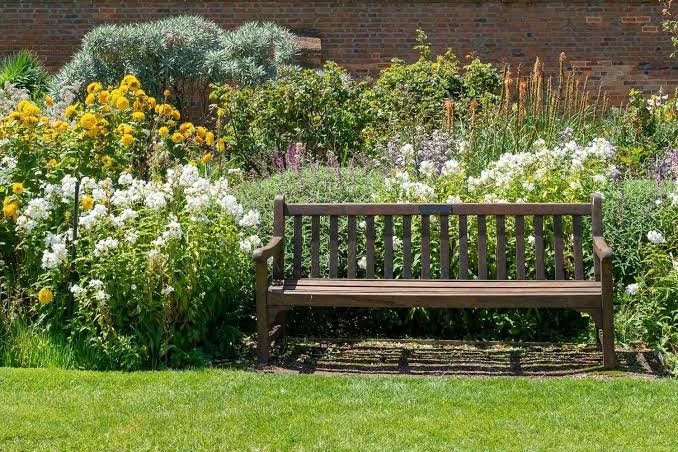
How to Make Your Garden Look Better After Dark
A beautiful garden should not disappear as soon as the sun goes down. During the day, plants, pathways, trees, walls, and outdoor seating areas naturally create structure and visual interest. At night, however, many of those details can become difficult to see unless lighting is planned as part of the landscape.
The good news is that effective garden lighting does not require turning the yard into a brightly illuminated space. In fact, subtle lighting is often more attractive. A few carefully positioned fixtures can help people move around safely, highlight favorite plants, reveal textures, and make patios or seating areas feel more comfortable.
The key is to think about what deserves light and what can remain naturally dark.
Carefully placed garden lighting can highlight plants, pathways, and outdoor living areas without making the entire yard overly bright.
Start With the Way People Move Through the Garden
Before thinking about decorative effects, walk through the outdoor space after sunset.
Notice where you naturally slow down because it becomes difficult to see. Steps, curves, changes in paving, narrow walkways, garden gates, and transitions between the patio and lawn are usually the first areas that deserve attention.
Lighting these locations serves a practical purpose while also creating visual structure.
There is rarely a need to place identical lights every few feet. Instead, position fixtures where they help explain the route. A light near a bend in the path or beside a step can often be more useful than several fixtures positioned only for symmetry.
Choose a Few Features Worth Highlighting
Once the important walking areas are covered, look at the garden itself.
Which elements give it personality during the daytime?
It might be a mature tree, a group of ornamental grasses, a stone wall, a sculptural planter, or a particularly attractive flower bed. These are natural candidates for accent lighting.
Thoughtful Landscape Lighting can help selected features remain visible after dark without illuminating every corner of the property. Uplighting can emphasize the height and shape of a tree, while lower-level fixtures can reveal planting beds, pathways, and architectural textures.
The most important principle is restraint. If everything is highlighted, nothing becomes a focal point.
Use Shadows as Part of the Design
Outdoor lighting is not only about the areas receiving light. Shadows are equally important.
When light reaches textured leaves, branches, stone, brick, or timber from an angle, it creates shadows that can make those surfaces appear more interesting at night than they do during the day.
This is why fixture position matters so much.
A light directly facing a wall may create a relatively flat appearance. Moving it closer to the side can reveal more texture. A light beneath a tree can emphasize branches and foliage, while placing it farther away may create a broader and softer effect.
Experimenting with position before permanently installing a fixture can make a significant difference.
Keep Path Lighting Subtle
Path lights should make movement easier without becoming the main feature of the garden.
One common mistake is creating two perfectly matched rows of fixtures on either side of a walkway. This can produce an effect that feels more like a runway than a residential garden.
Try staggering the lights instead.
A fixture might illuminate planting on one side of the path, while the next is positioned farther ahead on the opposite side. This creates enough visibility while helping the lights feel integrated into the landscape.
The brightness should also be comfortable from normal eye level. A fixture that shines directly into someone’s eyes can make it harder, not easier, to see the surrounding area.
Consider Low-Voltage Lighting for Flexible Outdoor Planning
Outdoor lighting systems can be designed in different ways depending on the size of the property, installation requirements, and the locations that need illumination.
For gardens, pathways, and other landscape applications, Outdoor Low Voltage Lights are one option homeowners may encounter when planning an exterior lighting system.
Low-voltage systems are commonly used for landscape applications because they can support multiple fixtures placed around different parts of a yard. This can make it easier to build a coordinated lighting plan around paths, plants, walls, and outdoor gathering spaces rather than relying on one powerful light source.
As with any electrical installation, the system, transformer capacity, wiring, fixture ratings, and local requirements should be considered carefully. Where needed, installation should be handled by a qualified professional.
Create a Comfortable Patio or Seating Area
A garden is not only something to look at. It may also contain patios, dining areas, benches, or other spaces where people spend time after sunset.
These areas usually benefit from several softer sources of light rather than one extremely bright fixture.
An outdoor dining table may need enough illumination for meals, while surrounding plants can remain more softly lit. A conversation area may need only modest lighting around its edges.
Using different levels of brightness helps separate functional areas while keeping the overall atmosphere relaxed.
It also makes the garden feel larger because the eye moves between several layers rather than seeing one uniformly bright area.
Connect the Garden With the House
Outdoor lighting should work with the architecture rather than feeling like a completely separate project.
Look at exterior walls, porches, doors, windows, and rooflines alongside the surrounding landscape. Lighting a tree near the house or a planting bed beside a wall can create a visual bridge between the building and garden.
Fixture design matters too.
Contemporary homes may suit simple geometric fixtures, while traditional properties may work better with more decorative forms. The fixtures do not all have to match, but similar finishes or proportions can help the design feel coordinated.
Remember the View From Indoors
A garden lighting plan should also be evaluated from inside the home.
During daylight hours, large windows may provide attractive views of trees and planting. At night, those same windows can become dark reflective surfaces.
A softly illuminated tree, garden wall, or path can keep the outdoor environment visually connected to the interior.
This is particularly effective near living rooms, kitchens, and dining spaces where people spend time during the evening.
Before deciding that the lighting project is complete, walk through the house after dark and look outside from several rooms.
Avoid Making the Garden Too Bright
More light does not automatically create a better garden.
Excessive brightness can reduce contrast, create glare, and make the landscape feel flat. It can also cause individual fixtures to attract more attention than the plants or architecture they are supposed to illuminate.
Allow some areas to remain dark.
That darkness helps the illuminated portions of the garden stand out and preserves a more natural nighttime atmosphere.
If a lighting plan feels too busy, the answer may be to remove or dim a fixture rather than add another one.
Build the Lighting Plan Gradually
There is no need to complete the entire garden at once.
Start with the path or entrance used most often. Then add lighting around one important tree, planting area, or patio. Spend several evenings using the space before deciding what should come next.
This gradual approach makes it easier to understand what the garden actually needs and helps prevent unnecessary fixtures from being installed simply because there is an empty space.
Final Thoughts
Garden lighting is most effective when it supports the landscape rather than overpowering it.
Begin with the practical routes people use, then choose a few trees, plants, walls, or architectural details worth highlighting. Use different lighting levels for pathways and gathering areas, pay attention to glare, and allow shadows and darker areas to remain part of the design.
When light is placed with a clear purpose, even a relatively simple garden can feel completely different after sunset.
The goal is not to recreate daylight. It is to reveal just enough of the landscape to make the outdoor space comfortable, useful, and interesting throughout the evening.