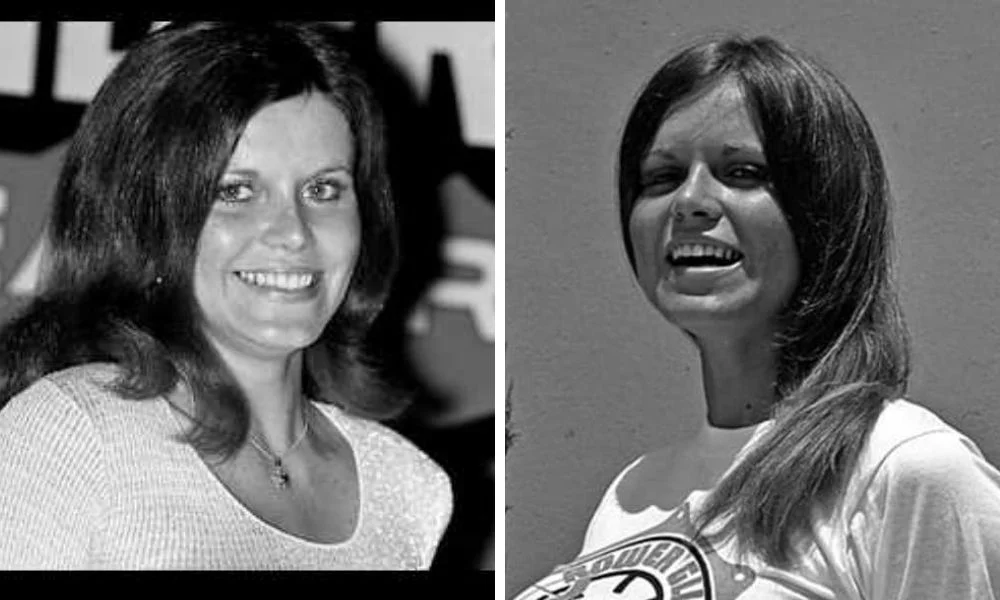
Barbara Roufs: The Life and Legacy of a 1970s Drag Racing Icon
Barbara Roufs remains one of the most recognizable women associated with the golden era of American drag racing. Although she was not a professional driver, her presence at racing events made her an important part of the sport’s culture during the early 1970s. Known as a trophy girl, model, and racing personality, Barbara Roufs became closely connected with the exciting Southern California drag racing scene.
Her photographs have continued to attract attention decades after they were taken. For modern fans, those images offer a fascinating look at the fashion, personalities, cars, and atmosphere surrounding drag racing during one of the sport’s most colorful periods. At the same time, Barbara’s personal life remained relatively private, leaving many details about her childhood, relationships, and later years less documented than her professional image.
Who Was Barbara Roufs?
Barbara Roufs was an American trophy girl and promotional personality who became famous through her association with drag racing during the late 1960s and early 1970s. She was particularly connected with Southern California, an area that played an important role in the development and popularity of American car culture.
Unlike the drivers competing in Top Fuel and Funny Car events, Barbara’s role was centered on the presentation and entertainment side of racing. Trophy girls appeared at award ceremonies, promotional events, and victory celebrations. They helped create memorable moments for spectators and photographers.
Barbara stood out because of her distinctive appearance and confident personality. Her long hair, fashionable clothing, and recognizable 1970s style fit naturally into the changing culture of the period. She quickly became one of the most photographed women around the drag racing scene.
Some historical accounts identify Barbara as the 1973 Professional Dragster Association Queen and associate her with the sixth annual U.S. Professional Dragster Championship at Orange County International Raceway.
Barbara Roufs and the Golden Age of Drag Racing
To understand Barbara Roufs’ popularity, it is important to understand the era in which she became famous. During the late 1960s and early 1970s, drag racing was developing from a grassroots motorsport into a major form of American entertainment.
Tracks throughout California attracted large crowds. Powerful Funny Cars and Top Fuel dragsters produced spectacular acceleration, while drivers developed strong personalities and loyal fan bases. Racing promoters also understood that the presentation surrounding an event could be almost as important as the competition itself.
This was the environment in which Barbara found her place.
Her role was not simply about standing beside a winning driver. Trophy girls were part of the visual identity of many racing events. They appeared in photographs with drivers, presented awards, participated in promotional activities, and helped give race weekends a sense of occasion.
Barbara’s natural confidence made her particularly memorable. She represented the fashionable and energetic atmosphere of the early 1970s, and her photographs became closely connected with the visual history of Southern California drag racing.
Her Distinctive Style
One reason Barbara Roufs continues to attract attention is her unmistakable appearance.
Photographs from the period show her with long, straight hair, fashionable outfits, and go-go boots that reflected the popular style of the era. Her look was different from the more formal presentation associated with earlier generations of motorsport promotional models.
The early 1970s were a period of major social and fashion changes. Clothing became more relaxed, hairstyles became more dramatic, and youth culture increasingly influenced advertising and entertainment. Barbara’s appearance reflected those changes.
Her style also worked particularly well in racing photography. Standing next to powerful race cars, drivers, and crowded pit areas, she provided a striking contrast to the mechanical world surrounding her.
That contrast helped make the photographs memorable. Today, those images are valuable not only because they show Barbara but also because they preserve the atmosphere of a particular period in American motorsport.
Career as a Trophy Girl
Barbara Roufs built her public profile primarily through her work around drag racing events. During her career, she appeared at racing competitions and became a familiar personality to fans and racers.
Accounts of her career frequently associate her with the Professional Dragster Association and Southern California racing venues. Her title as a PDA queen helped increase her visibility and made her one of the best-known trophy girls of the period.
The title was significant because drag racing was becoming increasingly organized and commercially successful. Promoters were looking for ways to create recognizable personalities around their events. Barbara’s appearance and personality made her a natural fit for that environment.
She was also photographed with race cars and competitors, creating images that later became part of vintage drag racing collections.
Although her career in the spotlight was relatively brief, her visual impact was considerable. She became associated with a particular moment in motorsport history when speed, fashion, advertising, and entertainment came together.
Barbara Roufs’ Personal Life
Compared with her public image, very little reliable information is available about Barbara Roufs’ private life.
She was born in California in 1944, and sources generally describe her as having grown up in a family with connections to motorcycles, beauty, and community life. However, many details about her childhood and education were never widely documented.
This is understandable when her life is considered in its historical context. Barbara became known before the age of social media, online biographies, and constant celebrity coverage. A person could become recognizable at sporting events without having every part of their private life recorded.
Barbara was married and had children, but reliable public information about her husband and broader family life remains limited. Her daughter, Jet Dougherty, later became important in helping confirm Barbara’s identity when photographs of her resurfaced decades after they were taken.
This family connection helped bring a more personal dimension to Barbara’s story. Instead of being remembered only as a woman in vintage racing photographs, she could also be recognized as a mother and family member whose life extended far beyond the racetrack.
The Rediscovery of Barbara Roufs
Perhaps the most fascinating part of Barbara Roufs’ story is that her popularity grew again long after her racing career had ended.
During the 2010s, motorsports photographer Tom West’s archive of vintage drag racing photographs attracted renewed attention. The collection included numerous photographs of Barbara from the early 1970s.
For a new generation of racing enthusiasts, these photographs introduced a person they had never seen in person. Older fans, meanwhile, were able to reconnect with memories of an earlier period in drag racing.
Barbara’s daughter reportedly recognized her mother in the photographs and helped confirm her identity. That recognition played an important role in bringing Barbara’s story back into public discussion.
The rediscovery also demonstrated the lasting value of motorsport photography. A photograph that once existed primarily as a memory of a race weekend could decades later become a historical document.
Barbara Roufs’ Death
Barbara Roufs died in January 1991 at the age of 47. Her death was tragic and occurred many years after her time in the drag racing spotlight had ended.
Public sources commonly report that she died by suicide, although detailed circumstances surrounding her death have not been reliably documented. Because of the limited information available, it is important not to speculate about her private struggles or suggest explanations that cannot be supported by reliable evidence.
Her death was not the end of her story, however. As interest in vintage drag racing grew, photographs of Barbara continued to circulate among fans and collectors.
Today, discussions about her life generally focus on her contribution to racing culture, her distinctive style, and the historical importance of the photographs that preserved her image.
Why Barbara Roufs Is Still Remembered
Barbara Roufs is remembered because she became more than a temporary personality at racing events. She became part of the visual history of American drag racing.
Her story illustrates how motorsport is about more than the drivers and machines. Every racing era has personalities who contribute to its atmosphere. Some are champions, some are mechanics, some are promoters, photographers, announcers, or fans. Barbara occupied a different but recognizable place within that world.
Her photographs capture an era when drag racing was becoming a major American spectacle. They show the cars, fashion, people, and excitement surrounding the sport.
For vintage racing enthusiasts, Barbara represents a connection to the past. Her image instantly evokes Southern California’s racing culture during the early 1970s.
Barbara Roufs’ Legacy
Barbara Roufs‘ legacy has become stronger with time. While her career lasted only a limited number of years, the photographs from that period have allowed her image to survive for generations.
She is now frequently discussed in articles and historical features about 1970s drag racing. Her story also demonstrates how cultural figures can become more famous after their original period of popularity has passed.
Importantly, Barbara should not be remembered only for her appearance. She was a working professional who participated in a growing motorsport industry at a time when promotional personalities played an important role in attracting audiences and creating memorable racing experiences.
Her contribution was part of the broader entertainment culture surrounding drag racing, and her photographs remain a record of that world.
Final Thoughts on Barbara Roufs
Barbara Roufs had a fascinating place in American motorsport history. As a trophy girl and promotional personality, she became one of the recognizable faces of Southern California drag racing during the early 1970s.
Her distinctive style, confidence, and connection with racing events helped make her memorable. Years later, the rediscovery of vintage photographs introduced Barbara to a new generation of fans and renewed interest in her life.
Although many details about her private life remain unknown, her public legacy is much clearer. Barbara Roufs represents a colorful period when drag racing was growing rapidly and becoming an important part of American popular culture.
Her story also reminds us that historical figures do not always need to be drivers or champions to leave a lasting mark. Sometimes, a person’s presence, personality, and connection to an era are enough to preserve their memory.
More than three decades after her death, Barbara Roufs remains a familiar name among fans of vintage drag racing. Her photographs continue to tell the story of a remarkable period in motorsport, ensuring that the woman who once stood beside winning race cars in the 1970s is still remembered today.