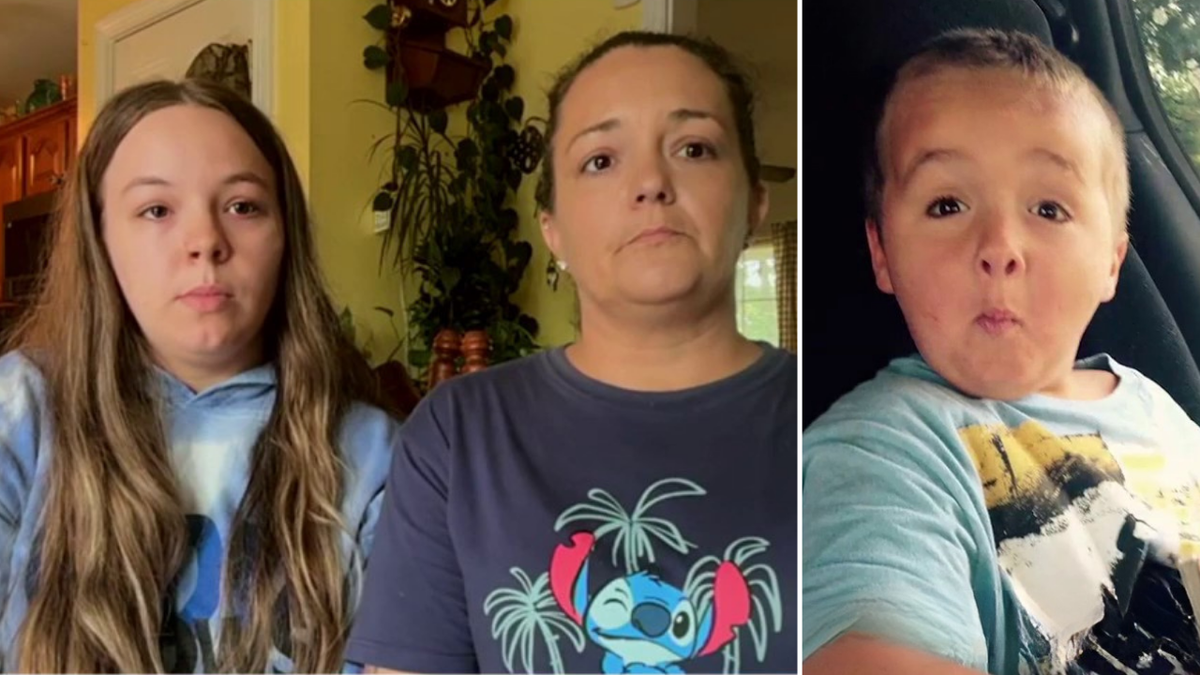
Logan Tipton: The Story of a Young Life Remembered and a Family’s Fight for Change
What happens when an ordinary family evening is shattered by an unimaginable act of violence? The story of Logan Tipton is one that continues to resonate in Kentucky because it is not only about a tragic crime. It is also about a six-year-old boy whose life was cut painfully short and a family that turned grief into an effort to protect others.
Logan Tipton became known publicly after the devastating events of December 2015 in Versailles, Kentucky. His death shocked the local community and later became the center of a broader conversation about criminal justice, insanity verdicts, sentencing, and the release of violent offenders. Years later, his name remains connected to legislative efforts intended to prevent another family from experiencing a similar tragedy.
Who Was Logan Tipton?
Logan Tipton was a six-year-old child living with his family in Versailles, Kentucky. Public reports about his life naturally focus on the tragedy that ended it, but it is important to remember that Logan was more than a name in a criminal case.
He was a young child growing up with his parents and siblings. Like many children his age, his world revolved around family, home, school, and the simple experiences of childhood. His life should have continued through many more birthdays, school years, friendships, and family memories.
Instead, Logan became the center of a heartbreaking case that would affect his family for years.
The 2015 Home Invasion
The tragedy occurred in December 2015 when Ronald Exantus entered the Tipton family home in Versailles. During the attack, Logan was fatally stabbed. Other members of the family were also attacked and injured.
According to contemporary reporting, the violence happened inside the family’s home during the early morning hours. The circumstances made the case particularly disturbing because a place that should have represented safety and comfort suddenly became the scene of a devastating crime.
Logan was only six years old.
His death left his parents, Dean and Heather Tipton, facing an unimaginable loss. The case also generated widespread attention because of the circumstances surrounding the accused man’s mental state and the eventual court proceedings.
The Trial of Ronald Exantus
The legal case surrounding Logan’s death became complicated because of questions concerning Ronald Exantus’s mental health and criminal responsibility.
In 2018, a Kentucky jury found Exantus not guilty of murder by reason of insanity. However, he was convicted of assault-related offenses stemming from the attacks on members of Logan’s family. He received a 20-year prison sentence.
The verdict was extremely difficult for Logan’s family to accept.
For the Tipton family, the legal distinction between a murder conviction and an insanity finding did not change the reality of what happened to their child. Logan was dead, and his parents were left to live with the consequences.
The case therefore became about more than one courtroom decision. It raised questions about how Kentucky handles defendants who are found legally insane, particularly when serious violence is involved.
Why Logan Tipton’s Name Became Part of a Larger Debate
For years, Logan’s parents continued speaking about the case and the need for changes to Kentucky’s criminal justice system.
Their concerns became especially urgent after Exantus was released from prison earlier than the family expected. WDRB reported in October 2025 that Exantus had been released after serving part of his sentence because of good behavior.
The release generated renewed public attention.
For the Tipton family, the issue was not simply about punishment. It was about what families should be able to expect from the justice system after suffering an act of extreme violence.
Dean Tipton later emphasized that his family’s efforts were intended to protect other families rather than undo what had already happened to Logan.
That distinction is important. Nothing can restore the childhood Logan lost. However, his family’s advocacy has attempted to turn an unbearable experience into something that could potentially improve public safety.
The Push for Logan’s Law
The phrase “Logan’s Law” became associated with efforts to change Kentucky law following the case.
In 2026, Kentucky lawmakers considered legislation focused on issues raised by the Exantus case. The bill was narrowed during the legislative process to concentrate on areas including reentry, insanity-related procedures, and restrictions affecting certain violent offenders.
The legislation reflected a difficult question: how should the justice system balance mental illness, rehabilitation, punishment, public safety, and the rights of victims’ families?
There are no simple answers to questions like these.
However, Logan’s case gave those debates a human face. Instead of discussing criminal justice only through statistics and legal terminology, lawmakers and the public were confronted with the story of a six-year-old child whose family was forever changed.
A Family Turning Grief Into Advocacy
One of the most striking aspects of the Logan Tipton story is the way his parents continued to speak publicly about what happened.
Grief does not follow a fixed timeline. For parents who lose a child, the passage of years does not erase the loss. Important dates, memories, anniversaries, and unexpected reminders can keep the pain close.
Yet Dean and Heather Tipton have used their experience to advocate for changes they believe could protect other families.
PBS reported in January 2026 that Logan’s parents were working with lawmakers on legislation intended to address sentencing and release issues involving violent offenders.
Their advocacy shows how victims’ families can become an important voice in public policy discussions.
The Importance of Remembering Logan as a Child
When a person becomes connected to a widely reported criminal case, it can be easy for the details of the investigation and courtroom proceedings to overshadow the individual at the center of the tragedy.
That is especially true when the victim is a child.
Logan Tipton should therefore be remembered first as a six-year-old boy whose future was taken from him. His story is not simply a story about a defendant, a trial, or a law.
It is a story about a family.
It is about parents who lost their son.
It is about siblings who lost a brother.
And it is about a community that struggled to understand how such violence could happen inside a family home.
The Continuing Legal Debate
The legal consequences of Logan’s case did not end with the original trial.
The controversy surrounding Exantus’s release brought the case back into public discussion years later. According to WDRB, his initial release in October 2025 was followed by an arrest in Florida after authorities said he failed to register as a felon. His supervision was subsequently revoked, and he returned to custody.
By July 2026, another report stated that Exantus was again expected to be released from the Kentucky State Reformatory. The report also connected the case to House Bill 422, commonly referred to as “Logan’s Law,” which addressed sentencing, parole and early-release rules, mandatory reentry supervision, and aspects of insanity-plea procedures.
These developments demonstrate why the Logan Tipton case has remained relevant more than a decade after the original tragedy.
Why the Story Still Matters
The story of Logan Tipton matters because it raises questions that extend far beyond one family or one state.
How should the justice system respond when someone accused of a violent crime is found legally insane?
How should victims’ families be informed about an offender’s release?
What safeguards should exist when someone convicted of serious violence returns to the community?
And perhaps most importantly, how can lawmakers improve public safety without losing sight of fairness and due process?
These are difficult questions. Logan’s family has pushed for answers because they have personally experienced the consequences of gaps they believe exist in the system.
Remembering a Life Cut Short
There is a natural tendency for stories about violent crimes to focus on the perpetrator. Names, court hearings, verdicts, prison sentences, and release dates can dominate coverage.
But Logan’s story deserves another focus.
He was six years old.
He had a family who loved him.
He had a future that should have included decades of experiences that he never had the opportunity to enjoy.
That simple fact is perhaps the most powerful part of his story.
The legal debate surrounding his death will continue to evolve. Laws can change. Court procedures can change. Sentencing rules can change. Yet none of those changes can bring Logan back.
What they can potentially do is ensure that his death is not forgotten and that his family’s experience contributes to a safer and more accountable system.
The Legacy of Logan Tipton
The legacy of Logan Tipton is therefore complicated but meaningful.
He is remembered as a young victim of a horrifying home invasion. His death devastated his family and shocked the community. His case later became part of a major discussion about insanity verdicts, violent offenders, sentencing, and early release.
Most importantly, however, Logan’s name became connected to his family’s determination to create change.
The Tiptons have repeatedly made clear that their advocacy is about protecting other families. Their message is rooted in the belief that no parent should have to experience the loss they endured.
That is what makes the story of Logan Tipton continue to matter.
Final Thoughts
The story of Logan Tipton is heartbreaking, but it is also a story about remembrance, family, and determination.
Logan’s life ended far too soon in December 2015. The years that followed brought a complicated legal case, difficult courtroom decisions, renewed controversy over an offender’s release, and an ongoing push for legislative reform.
For his family, however, the central issue has always remained simple: Logan was their child.
His name now appears in conversations about Kentucky law and criminal justice. Yet behind those conversations is a little boy whose family continues to remember him and speak on his behalf.
That may ultimately be the most lasting part of Logan Tipton’s legacy. His life was tragically short, but his memory continues to inspire a conversation about accountability, public safety, and the responsibility to protect vulnerable families.