Warren Glowatski: The Story Behind the Reena Virk Murder Case
What happens when a teenager becomes involved in a crime that changes the lives of an entire community forever? The name Warren Glowatski remains closely connected to one of the most disturbing criminal cases in modern Canadian history: the 1997 murder of 14-year-old Reena Virk in British Columbia.
The case shocked Canada because of the young ages of those involved and the brutal circumstances surrounding Virk’s death. It also raised difficult questions about bullying, peer pressure, youth crime, accountability, rehabilitation, and forgiveness.
Warren Glowatski was only 16 when Reena Virk was killed. He was later convicted of second-degree murder and sentenced to life imprisonment. Over the following years, however, his story took an unexpected direction as he expressed remorse, participated in restorative justice efforts, and eventually received full parole in 2010.
Who Was Warren Glowatski?
Warren Glowatski Paul Glowatski was born on April 26, 1981, in Medicine Hat, Alberta. During his childhood, his family moved between several communities in Western Canada, including locations in Saskatchewan and British Columbia.
His teenage years eventually brought him to Vancouver Island. By 1997, Glowatski was living in the Victoria area. At 16, he became involved in an event that would permanently change his life and the lives of Reena Virk’s family.
It is important to remember that Glowatski’s early life does not excuse his actions. The circumstances surrounding a person’s upbringing can provide context, but they do not remove responsibility for a serious crime.
The Murder of Reena Virk
On November 14, 1997, 14-year-old Reena Virk was attacked near the Craigflower Bridge in Saanich, British Columbia.
Virk had been surrounded and assaulted by a group of teenagers. After the initial attack, Glowatski and Kelly Ellard became directly involved in the final events that resulted in Virk’s death. Court proceedings later established Glowatski’s responsibility for second-degree murder.
The tragedy attracted enormous attention across Canada. Reena was a young teenager whose death became associated with broader conversations about bullying, social exclusion, youth violence, and the consequences of group behavior.
The case was especially disturbing because the people involved were themselves teenagers. It forced Canadians to confront an uncomfortable question: how can young people become involved in violence severe enough to end another person’s life?
Warren Glowatski’s Trial
Glowatski was tried as an adult. His trial began in Vancouver in April 1999 and became one of the most closely watched youth murder proceedings in British Columbia.
During the proceedings, Glowatski acknowledged that he had participated in the assault but disputed certain aspects of his responsibility for Virk’s death. Nevertheless, the court ultimately found him guilty of second-degree murder.
On June 2, 1999, Glowatski was convicted. Later that month, he received a life sentence with no possibility of parole for seven years under the law that applied to him at the time.
His conviction was later challenged, but his appeal was unsuccessful. The legal outcome meant that Glowatski would spend years in custody while becoming eligible for consideration for parole.
A Life Sentence and the Possibility of Parole
A life sentence does not necessarily mean that a person will remain physically imprisoned for the rest of their life in Canada. Instead, parole eligibility can allow authorities to assess whether an offender has demonstrated enough rehabilitation to live safely under supervision.
For Glowatski, the first significant opportunity came years after his conviction.
His initial application for day parole was denied in 2004. The decision reflected the cautious approach authorities took toward his release. Eventually, however, his circumstances changed as he participated in rehabilitation programs and demonstrated what authorities considered meaningful progress.
By 2006, he was permitted unescorted temporary absences. In June 2007, he was granted day parole.
This stage represented a major transition. Instead of remaining inside a prison full time, Glowatski could live under structured supervision in the community while meeting strict conditions.
Rehabilitation and Restorative Justice
One of the most unusual aspects of Warren Glowatski’s later story involved restorative justice.
During his imprisonment, Glowatski learned more about his Métis heritage. He also became involved in healing processes that included elders and restorative justice practices.
Restorative justice is different from traditional punishment. Rather than focusing exclusively on the offender and the sentence, it can attempt to address the harm caused by a crime and create opportunities for accountability, dialogue, and healing.
In Glowatski’s case, restorative work eventually brought him into contact with members of Reena Virk’s family.
This was an extraordinary development considering the circumstances. The Virk family had experienced an unimaginable loss, yet members of the family eventually supported Glowatski’s rehabilitation and parole process after he expressed remorse and accepted responsibility for his actions.
That does not mean the past was erased. Forgiveness and accountability are not the same thing. A family can forgive an offender while continuing to grieve the person they lost.
Meeting Reena Virk’s Family
The relationship between Glowatski and Reena Virk’s family became one of the most discussed elements of his rehabilitation.
During his parole process, he participated in restorative meetings involving members of Virk’s family. These encounters were emotionally complicated and could not undo what had happened.
Still, they demonstrated an important idea: accountability can sometimes involve more than simply completing a prison sentence.
Glowatski publicly expressed remorse for his involvement in Virk’s death. His rehabilitation became a subject of discussion because the Virk family did not oppose his eventual release.
For Reena’s family, however, life continued with the permanent absence of their daughter. No parole decision could change that reality.
Warren Glowatski Receives Full Parole
After several years of supervised release, Warren Glowatski was granted full parole on June 23, 2010.
At the time, he was 29 years old. He had already spent many years under correctional supervision and had been on day parole since 2007.
Reports about his parole described his participation in counselling and restorative justice. He also had employment and plans for continuing his life outside prison.
The parole decision was significant because it marked the point at which Canadian authorities determined that he could live in the community under the conditions attached to full parole.
However, full parole should not be confused with having the conviction erased. Glowatski remained convicted of second-degree murder and subject to lifelong legal consequences associated with his sentence.
The Importance of Remorse
Remorse became an important part of the public discussion surrounding Glowatski.
Over the years, he accepted responsibility for his role in Reena’s death and participated in programs designed to address his behavior. His statements during parole proceedings reflected an understanding that the consequences of his actions would remain with him.
In one reported parole hearing, Glowatski described his sense of responsibility in deeply personal terms.
For many people, the concept of remorse is difficult to evaluate from the outside. Words alone cannot repair the damage caused by murder. However, rehabilitation systems often examine whether an offender has acknowledged responsibility, understood the harm caused, changed problematic behavior, and developed a realistic plan for living safely in society.
Glowatski’s parole process reflected those principles.
The Reena Virk Case in Popular Culture
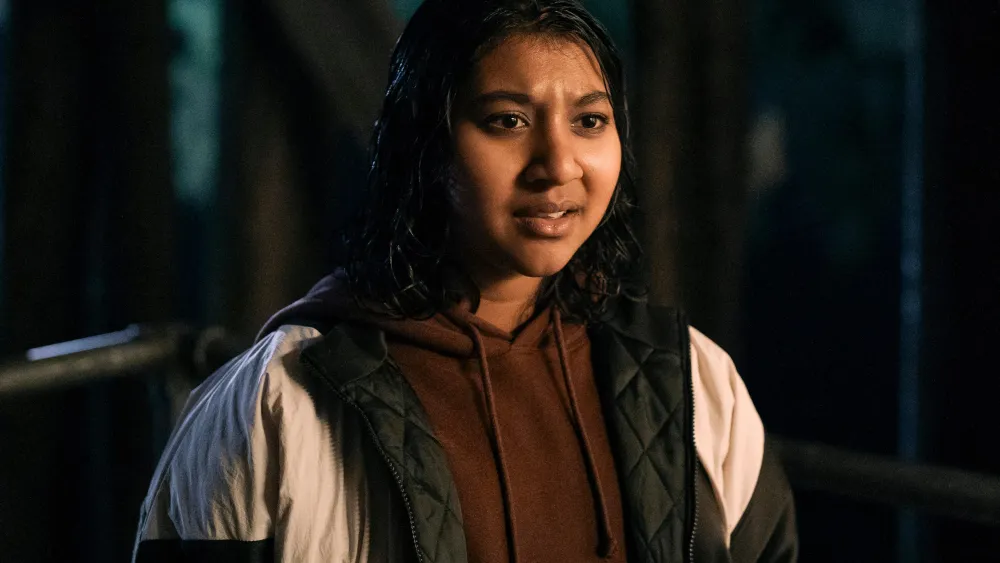
Interest in the case returned decades later, particularly after the publication of Rebecca Godfrey’s book Under the Bridge and the subsequent television adaptation.
The renewed attention introduced the story to audiences who were not familiar with the original 1997 case.
However, dramatizations can sometimes create confusion between documented facts and creative storytelling. Anyone researching Warren Glowatski should therefore distinguish between television portrayals and court records or established reporting.
The real story is already complex enough. It involves a young victim, multiple teenagers, a criminal investigation, lengthy court proceedings, prison sentences, rehabilitation, and a family attempting to cope with an irreversible loss.
Why the Case Still Matters
The story surrounding Warren Glowatski continues to matter because it raises questions that extend far beyond one criminal case.
First, it demonstrates the potentially devastating consequences of group violence. Teenagers can make decisions in groups that they might never make individually. Peer pressure can transform an already dangerous situation into something catastrophic.
Second, the case highlights the importance of addressing bullying and social exclusion. Reena Virk’s death became a symbol in discussions about the dangers of harassment and youth violence.
Third, the case raises questions about rehabilitation. If a young offender demonstrates genuine remorse and changes over many years, should society eventually allow that person to return to the community?
There are no simple answers.
A Story About Accountability and Consequences
The story of Warren Glowatski should not be reduced to a sensational true-crime narrative.
At its center is Reena Virk, a 14-year-old whose life was taken far too soon. Her family had to live with the consequences long after the headlines disappeared.
Glowatski’s later rehabilitation is significant because it demonstrates how Canada’s correctional system can focus on both accountability and the possibility of change. Yet rehabilitation does not cancel the seriousness of the original crime.
Two realities can exist at the same time: an offender can take responsibility and change over decades, while the victim’s family can continue to carry an enormous loss.
What Happened to Warren Glowatski?
The most firmly documented later milestone in Warren Glowatski’s public story is his release on full parole in June 2010.
By that point, he had spent years in prison and had progressed through temporary absences and day parole before receiving full parole. His rehabilitation involved counselling, restorative justice, employment, and engagement with Indigenous cultural practices.
Because Glowatski is a private individual rather than a public entertainer or politician, reliable information about his life after full parole is limited. Claims circulating online about his current activities should therefore be treated cautiously unless supported by credible sources.
Remembering Reena Virk
Ultimately, any discussion of Warren Glowatski should return to the person whose death made the case nationally significant.
Reena Virk was only 14 years old. Her death devastated her family and affected communities throughout British Columbia and beyond.
Her story also became part of larger conversations about bullying, youth violence, racism, belonging, and the responsibility people have when they witness cruelty.
The lasting significance of the case is not simply that one teenager was convicted and later released on parole. It is that the tragedy forced society to examine how violence can develop among young people and what can be done to prevent similar tragedies.
Final Thoughts on Warren Glowatski
Warren Glowatski remains a controversial and deeply complicated figure in Canadian criminal history. His conviction for the second-degree murder of Reena Virk placed him at the center of a case that shocked the country.
Yet his later journey through imprisonment, rehabilitation, restorative justice, day parole, and full parole adds another complicated chapter to the story.
His case shows that accountability can continue long after a courtroom verdict. It also demonstrates that rehabilitation is a long process rather than a single moment.
Most importantly, the story reminds us that behind every criminal case are real people and families whose lives can never return to what they were before the tragedy.
Reena Virk’s memory remains the most important part of that story. Her life, her family, and the lessons drawn from her death deserve to remain at the center of conversations about youth violence, bullying, accountability, and prevention.