How Do You Get a UTI? Causes, Risk Factors, and Prevention Explained
Have you ever felt a sudden burning sensation while urinating and wondered what could be causing it? Many people experience this uncomfortable symptom at least once in their lives. Often, the cause turns out to be a urinary tract infection. But a common question people ask is how do you get a UTI in the first place?
Urinary tract infections are among the most common bacterial infections worldwide. They can affect anyone, though they are more frequent in women. Understanding how UTIs develop, what increases your risk, and how to prevent them is essential for maintaining good urinary health.
In this detailed guide, we will explore how do you get a UTI, what happens inside the body during an infection, and what habits or conditions may increase the chances of developing one.
Understanding What a UTI Is
A urinary tract infection, commonly called a UTI, occurs when bacteria enter the urinary system and begin multiplying. The urinary system includes the kidneys, ureters, bladder, and urethra. These organs work together to produce and remove urine from the body.
Most UTIs occur in the lower urinary tract, which includes the bladder and urethra. These infections are generally less serious but can still cause significant discomfort. When bacteria travel further and infect the kidneys, the condition becomes more severe and requires immediate medical attention.
The most common bacteria responsible for UTIs is Escherichia coli, often shortened to E. coli. This bacterium normally lives in the intestines and around the anus. When it enters the urinary tract, it can begin to multiply and cause infection.
Understanding this basic process helps answer the key question: how do you get a UTI? In most cases, it starts when bacteria from outside the urinary tract find their way into the urethra and travel upward into the bladder.
How Do You Get a UTI?
Many everyday situations can allow bacteria to enter the urinary tract. While the body has natural defenses to prevent infection, certain conditions make it easier for bacteria to grow.
One common way people develop UTIs is through the transfer of bacteria from the anal area to the urethra. Because these areas are close together, especially in women, bacteria can easily move from one place to another.
Another way UTIs occur is when urine stays in the bladder for too long. When urine is not emptied regularly, bacteria have more time to multiply. This is why doctors often recommend drinking enough water and urinating when you feel the urge.
Additionally, sexual activity can introduce bacteria into the urinary tract. During intercourse, bacteria near the genital area may be pushed toward the urethra. This does not mean sexual activity is unhealthy, but it explains why some people experience UTIs after intercourse.
The Role of Bacteria in UTIs
Bacteria are the primary cause behind most urinary tract infections. These microorganisms are present everywhere, including on the skin and inside the digestive system.
When bacteria enter the urethra, they may travel into the bladder. The bladder normally flushes bacteria out during urination. However, if bacteria attach to the bladder wall, they can multiply and lead to infection.
The body’s immune system also plays a role in preventing UTIs. When bacteria enter the urinary tract, immune cells attempt to destroy them. If the bacteria grow faster than the immune system can respond, an infection develops.
This is why people with weakened immune systems may be more likely to experience UTIs. Their bodies may not be able to fight off invading bacteria as effectively.
Why Women Get UTIs More Often
Women are significantly more likely to experience UTIs than men. This difference is mainly due to anatomy.
The female urethra is shorter than the male urethra. Because of this shorter distance, bacteria can reach the bladder more quickly. In men, the longer urethra provides more protection against infection.
Another factor is the proximity of the urethra to the anus in women. Since bacteria from the digestive system often cause UTIs, this closeness increases the chance of bacteria reaching the urinary tract.
Hormonal changes can also play a role. For example, menopause may reduce protective bacteria in the vaginal area, allowing harmful bacteria to grow more easily.
These anatomical and hormonal factors explain why many discussions about how do you get a UTI often focus on women’s health.
Hygiene Habits That Can Lead to UTIs
Daily hygiene habits can influence the risk of developing a urinary tract infection. While good hygiene usually protects against infections, certain practices may accidentally increase risk.
One important example involves wiping after using the toilet. Doctors recommend wiping from front to back. This prevents bacteria from the anal area from being transferred to the urethra.
Using harsh soaps or scented products in the genital area may also disrupt the natural balance of bacteria. These products can irritate sensitive tissues and make it easier for harmful bacteria to grow.
Another factor is wearing tight or non-breathable clothing for long periods. Warm and moist environments allow bacteria to thrive. Choosing breathable fabrics like cotton can help reduce this risk.
Understanding these habits helps clarify how do you get a UTI and how small lifestyle changes can reduce the chances of infection.
The Impact of Sexual Activity
Sexual activity is another common factor linked to UTIs. During intercourse, bacteria from the genital or anal areas may be pushed toward the urethra.
This does not mean sexual activity directly causes infections. Instead, it increases the opportunity for bacteria to enter the urinary tract.
Certain contraceptive methods may also increase the risk of UTIs. For example, diaphragms can press against the urethra and slow urine flow. When urine remains in the bladder longer, bacteria have more time to multiply.
Spermicides may also alter the balance of protective bacteria in the vaginal area. When beneficial bacteria decrease, harmful bacteria may grow more easily.
Because of these factors, healthcare professionals often recommend urinating after sexual activity to help flush out bacteria.
Holding Urine for Too Long
Another common cause of UTIs is holding urine for extended periods. The bladder is designed to store urine temporarily, but it works best when emptied regularly.
When urine sits in the bladder for too long, bacteria have time to multiply. This increases the chance of infection developing.
Some people develop the habit of ignoring the urge to urinate due to busy schedules or lack of convenient restroom access. Over time, this habit can increase the risk of urinary tract infections.
Drinking enough water also plays an important role. Adequate hydration helps produce more urine, which flushes bacteria out of the urinary system.
Regular urination is one of the simplest ways to reduce the risk of UTIs.
Medical Conditions That Increase UTI Risk
Certain health conditions can make people more susceptible to urinary tract infections.
One example is diabetes. High blood sugar levels can weaken the immune system and create an environment where bacteria thrive.
Kidney stones may also increase UTI risk. These stones can block the normal flow of urine and trap bacteria in the urinary tract.
Another factor is urinary retention, a condition where the bladder cannot empty completely. When urine remains in the bladder, bacteria have more opportunity to grow.
People with weakened immune systems due to illness or medication may also experience UTIs more frequently. Their bodies may struggle to fight off infections effectively.
Symptoms That Indicate a UTI
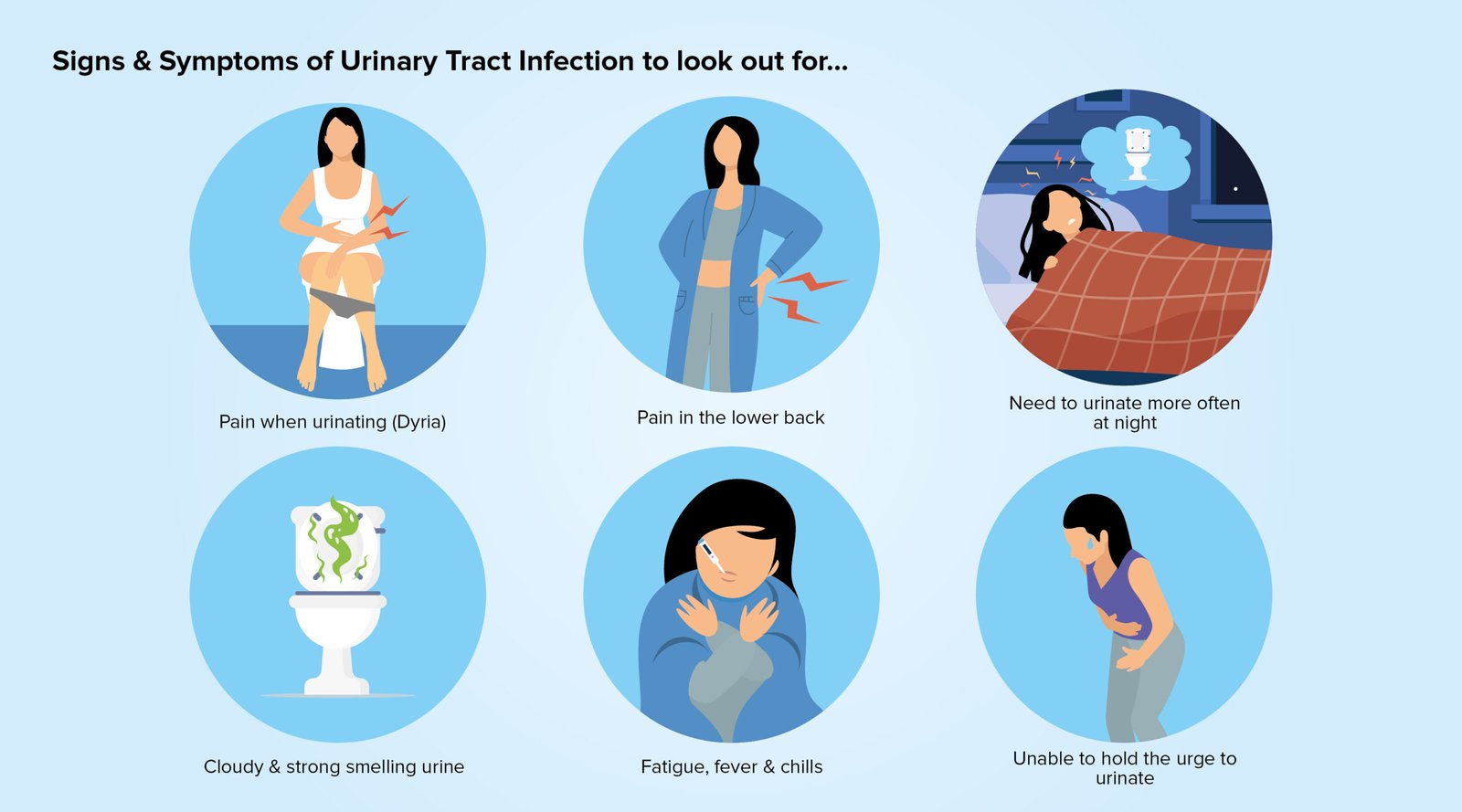
Recognizing the symptoms of a urinary tract infection is important for early treatment. Symptoms can vary depending on which part of the urinary tract is affected.
A common symptom is a burning sensation during urination. Many people also experience a frequent urge to urinate, even when the bladder is nearly empty.
Urine may appear cloudy or have a strong odor. Some people notice a small amount of blood in the urine.
Lower abdominal pain or pelvic discomfort is also common. In more severe cases, especially when the kidneys are involved, symptoms may include fever, chills, nausea, and back pain.
Anyone experiencing these symptoms should consider seeking medical advice.
How UTIs Are Diagnosed
Doctors typically diagnose UTIs using a simple urine test. This test looks for bacteria, white blood cells, and other signs of infection.
In some cases, a urine culture may be performed. This test identifies the exact type of bacteria causing the infection and helps determine which antibiotics will be most effective.
For people with frequent or complicated UTIs, doctors may recommend imaging tests such as ultrasounds or CT scans. These tests help detect structural problems in the urinary tract.
Early diagnosis allows treatment to begin quickly and prevents the infection from spreading to the kidneys.
Treatment Options for UTIs
Most urinary tract infections are treated with antibiotics. These medications kill the bacteria responsible for the infection.
The length of treatment varies depending on the severity of the infection. Some mild UTIs may require only a few days of medication, while more serious infections may need longer treatment.
Doctors may also recommend drinking plenty of fluids. Increased urination helps flush bacteria from the urinary system.
Pain relievers may be used to reduce discomfort during recovery. However, antibiotics remain the most important treatment for bacterial UTIs.
It is essential to complete the full course of antibiotics even if symptoms improve earlier.
How to Prevent UTIs
Preventing UTIs often involves simple lifestyle habits that support urinary health.
Drinking enough water throughout the day is one of the most effective prevention methods. Adequate hydration helps flush bacteria from the urinary tract.
Urinating regularly and avoiding holding urine for long periods also reduces risk. Emptying the bladder frequently prevents bacteria from multiplying.
Good hygiene practices are equally important. Wiping from front to back and avoiding harsh products in the genital area help maintain a healthy balance of bacteria.
For people who experience UTIs after sexual activity, urinating soon afterward may help remove bacteria introduced during intercourse.
These small habits can significantly reduce the chances of developing a urinary tract infection.
When to See a Doctor
While many how do you get a uti are mild, some infections can become serious if left untreated. It is important to seek medical advice when symptoms appear.
If symptoms persist for more than a day or two, medical evaluation is recommended. Fever, back pain, or nausea may indicate that the infection has reached the kidneys.
Frequent UTIs also require medical attention. A doctor can help identify underlying causes and recommend preventive strategies.
Prompt treatment prevents complications and ensures faster recovery.
Final Thoughts
So, how do you get a UTI? In most cases, it happens when bacteria enter the urinary tract and multiply in the bladder. This process can be influenced by hygiene habits, sexual activity, hydration levels, and certain medical conditions.
Although UTIs are common, they are also highly treatable and often preventable. Understanding the causes and risk factors helps people make informed choices about their health.
By staying hydrated, practicing good hygiene, and paying attention to symptoms, you can significantly reduce the risk of developing a urinary tract infection.
Taking care of your urinary health is an important part of overall well-being, and even small daily habits can make a big difference.