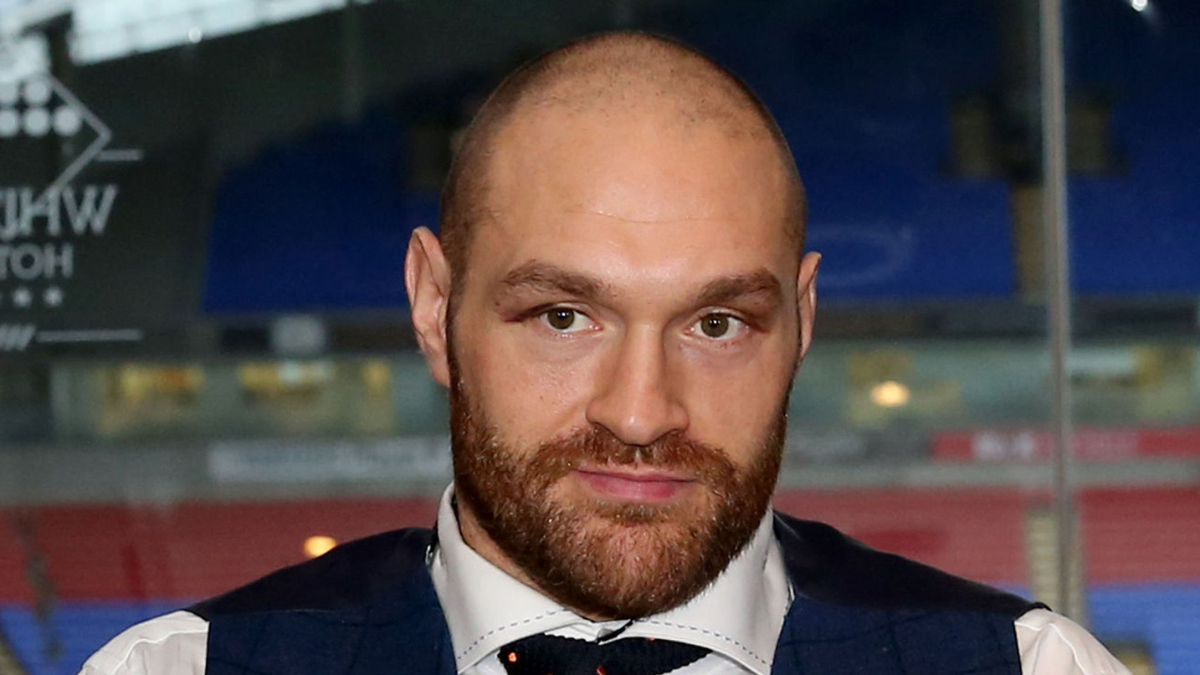
Peter Fury: Legendary Boxing Trainer & Mentor Behind the Fury Dynasty
When people talk about modern heavyweight boxing, one surname comes up again and again: Fury. Most fans instantly think of Tyson Fury, the outspoken world champion. However, behind the scenes stands a quieter yet deeply influential figure who helped shape that success. That man is Peter Fury. Trainer, strategist, mentor, and family patriarch, Peter Fury’s story is about much more than titles and belts. It is about discipline, belief, tradition, and the long road to greatness.
This article takes a deep dive into Peter Fury’s life, career, philosophy, and lasting impact on boxing. Written casually but backed by expert insight, this is a complete look at the man who helped build one of boxing’s most famous families.
Who Is Peter Fury? A Brief Introduction
Peter Fury is best known as a respected boxing trainer and the uncle of heavyweight champion Tyson Fury. Yet reducing him to just that connection would miss the bigger picture. Peter Fury is a product of boxing culture, raised in a family where fighting was not just a sport but a way of life.
From an early age, Peter developed a deep understanding of boxing fundamentals. He was never the loudest voice in the room, but his calm authority and sharp eye for technique quickly earned respect. Over the years, his knowledge turned into wisdom, and his guidance shaped several fighters, not just those carrying the Fury name.
What makes Peter Fury stand out is his commitment to old-school boxing values. He believes in footwork, defense, stamina, and mental toughness. In an era obsessed with knockouts and highlight reels, Peter Fury always emphasized craft over chaos, a mindset that became central to his success as a trainer.
Peter Fury’s Early Life and Boxing Roots
Peter Fury was born into a family where boxing ran through generations. The Fury name has long been associated with fighting, toughness, and resilience. Growing up, Peter was surrounded by stories of bare-knuckle fighters and travelers who survived by their fists and their will.
As a young man, Peter Fury boxed himself, gaining firsthand experience inside the ring. While he never reached global stardom as a fighter, his time competing gave him something just as valuable: perspective. He understood the fear, pressure, and discipline required to succeed in boxing, lessons he would later pass on to others.
These early experiences shaped Peter’s approach to training. He learned that raw power alone was never enough. Timing, balance, and ring intelligence mattered just as much. This belief became the foundation of his coaching philosophy and would later influence some of the biggest fights in heavyweight boxing.
Transition From Fighter to Trainer
Like many great trainers, Peter Fury’s biggest impact came after he stepped away from active competition. Transitioning from fighter to trainer was not instant, but it felt natural. He had always been observant, analytical, and patient, three traits essential for coaching.
Peter started training fighters at grassroots level, working in gyms that lacked glamour but were rich in heart. He focused on fundamentals, often spending hours refining simple movements. To him, perfecting the basics was the difference between a good boxer and a great one.
This period allowed Peter Fury to sharpen his skills as a coach. He learned how to communicate, motivate, and adapt his methods to different personalities. Over time, word spread that Peter Fury was not just knowledgeable, but deeply committed to his fighters’ development.
Training Tyson Fury: A Defining Chapter
Peter Fury’s most famous coaching role came with his nephew, Tyson Fury. From a young age, Tyson showed unusual size, agility, and confidence. However, raw talent alone does not create champions. That is where Peter Fury’s influence became crucial.
Peter took a disciplined approach to Tyson’s training. He emphasized movement, feints, and defensive awareness, skills rarely seen in heavyweights of Tyson’s size. This approach allowed Tyson to outbox opponents rather than simply overpower them.
Their partnership reached its peak during Tyson Fury’s rise to the world heavyweight championship. Peter’s calm presence in the corner and strategic game plans played a major role in victories against elite opponents. While Tyson’s personality often stole headlines, Peter Fury remained focused on preparation and execution.
The Klitschko Fight and Strategic Brilliance
One of the defining moments of Peter Fury’s career came during Tyson Fury’s fight against Wladimir Klitschko. Many experts predicted Tyson would lose, facing an experienced champion with years of dominance behind him.
Peter Fury approached the fight with a clear strategy. Instead of engaging in a power battle, he encouraged Tyson to use movement, unpredictability, and psychological pressure. This plan disrupted Klitschko’s rhythm and neutralized his strengths.
The result was one of the biggest upsets in heavyweight boxing history. Tyson Fury outboxed the champion, and Peter Fury’s tactical brilliance was widely praised. That night cemented Peter’s reputation as a trainer who could outthink the very best.
Peter Fury’s Coaching Philosophy
Peter Fury’s philosophy is rooted in simplicity and discipline. He believes boxing is a thinking man’s sport, where intelligence and preparation often beat brute force. His training methods focus on balance, footwork, and defensive responsibility.
Mental strength is another key element of his coaching. Peter often speaks about belief and resilience, teaching fighters to stay composed under pressure. According to him, the fight is often won in the mind before the first bell rings.
Unlike some modern trainers, Peter Fury avoids overcomplicating things. He values repetition, patience, and consistency. This old-school mindset has allowed his fighters to perform reliably at the highest level.
Beyond Tyson: Training Other Fighters
Although Tyson Fury is his most famous student, Peter Fury has trained and guided several other fighters. These include members of the extended Fury family and independent boxers seeking experienced mentorship.
Peter adapts his coaching style based on the individual. He understands that not every fighter has the same strengths or temperament. This flexibility has helped him work effectively with boxers at different stages of their careers.
By focusing on long-term development rather than quick wins, Peter Fury has earned respect across the boxing community. Fighters trust him not just as a coach, but as a mentor who genuinely cares about their growth.
Relationship With the Fury Family
Family plays a central role in Peter Fury’s life. The Fury family is tightly knit, and boxing has always been a shared passion. Peter’s influence extends beyond the gym, shaping attitudes and values within the family.
His relationship with Tyson has had its ups and downs, like any family dynamic under intense pressure. However, mutual respect has always remained. Even when others took over training duties, Peter’s early influence remained evident in Tyson’s style and mindset.
Within the Fury family, Peter is seen as a figure of wisdom and stability. His calm demeanor often balances the more fiery personalities around him, creating harmony during challenging times.
Stepping Away From the Spotlight
After achieving global success, Peter Fury gradually stepped back from high-profile training roles. This decision surprised some fans but made sense to those who knew him well. Peter has always valued peace, family, and personal principles over fame.
Stepping away did not mean abandoning boxing entirely. Peter continued to advise fighters, share insights, and support the sport from a quieter position. His influence remained, even without constant media attention.
This period also highlighted Peter Fury’s humility. He never chased headlines or credit, preferring to let results speak for themselves. In an industry driven by ego, this attitude set him apart.
Peter Fury’s Impact on Modern Heavyweight Boxing
Peter Fury’s influence can be seen across modern heavyweight boxing. His emphasis on movement and technical skill helped redefine what a heavyweight could look like in the ring.
Before fighters like Tyson Fury, heavyweights were often expected to be slow and power-focused. Peter challenged that stereotype, proving that size and agility could coexist. This shift inspired a new generation of fighters to develop more complete skill sets.
Trainers and analysts frequently reference Peter Fury’s methods when discussing successful game plans. His legacy is not just in wins, but in changing perceptions of the sport.
Criticism and Controversies
Like any prominent figure, Peter Fury has faced criticism. Some have questioned his traditional methods, arguing that boxing has evolved beyond old-school approaches. Others have pointed to family conflicts as distractions.
Peter has always responded to criticism calmly, often choosing silence over confrontation. He believes results are the best answer, and his track record supports that belief.
Despite differing opinions, even critics acknowledge Peter Fury’s knowledge and contribution. In boxing, respect often comes from experience, and Peter has earned plenty of it.
Personal Values and Character
Away from boxing, Peter Fury is known as a private and principled man. He values loyalty, hard work, and honesty, traits reflected in his coaching style.
Peter avoids unnecessary drama and focuses on what truly matters. This grounded approach has helped him navigate the highs and lows of professional boxing without losing perspective.
Those who know him personally often describe him as thoughtful and disciplined. These qualities have not only shaped champions but also built lasting relationships within the sport.
Legacy of Peter Fury
Peter Fury’s legacy goes far beyond titles and famous fights. He represents a bridge between traditional boxing wisdom and modern competition. His methods, mindset, and mentorship have left a lasting mark.
Future trainers can learn from his emphasis on fundamentals and mental strength. Fighters can learn from his belief in preparation and patience. Fans can appreciate the quiet influence behind some of boxing’s biggest moments.
In many ways, Peter Fury is proof that greatness does not always stand in the spotlight. Sometimes, it works quietly in the corner, guiding, teaching, and believing.
Peter Fury Today and the Road Ahead
Today, Peter Fury remains a respected voice in boxing. While he may not be actively training world champions, his insights continue to shape discussions around the sport.
He occasionally shares opinions on current fighters and matches, always with a thoughtful and measured tone. Younger trainers often seek his advice, recognizing the value of his experience.
Looking ahead, Peter Fury’s influence is unlikely to fade. His teachings live on through fighters he trained and fans who appreciate the deeper craft of boxing.
Final Thoughts: Why Peter Fury Matters
Peter Fury matters because he represents the heart of boxing. He reminds us that success is built through discipline, patience, and belief. While others chase attention, Peter focused on mastery.
His role in shaping one of the greatest heavyweight champions of the modern era cannot be overstated. Yet his true achievement lies in how he approached the sport, with respect, intelligence, and integrity.
For anyone who loves boxing beyond the surface level, Peter Fury’s story is a powerful reminder that behind every great fighter stands a great teacher. And in the case of the Fury dynasty, that teacher is Peter Fury.